
Top 5 Foods Dogs Should Never Eat for Their Safety and Health

Dogs are curious by nature and love to nibble on whatever their owners are enjoying. However, not all human foods are safe for them. Knowing the 5 foods dogs should never eat is crucial for protecting your furry friend from serious health risks. From chocolate to artificial sweeteners, some items can be life-threatening even in small amounts.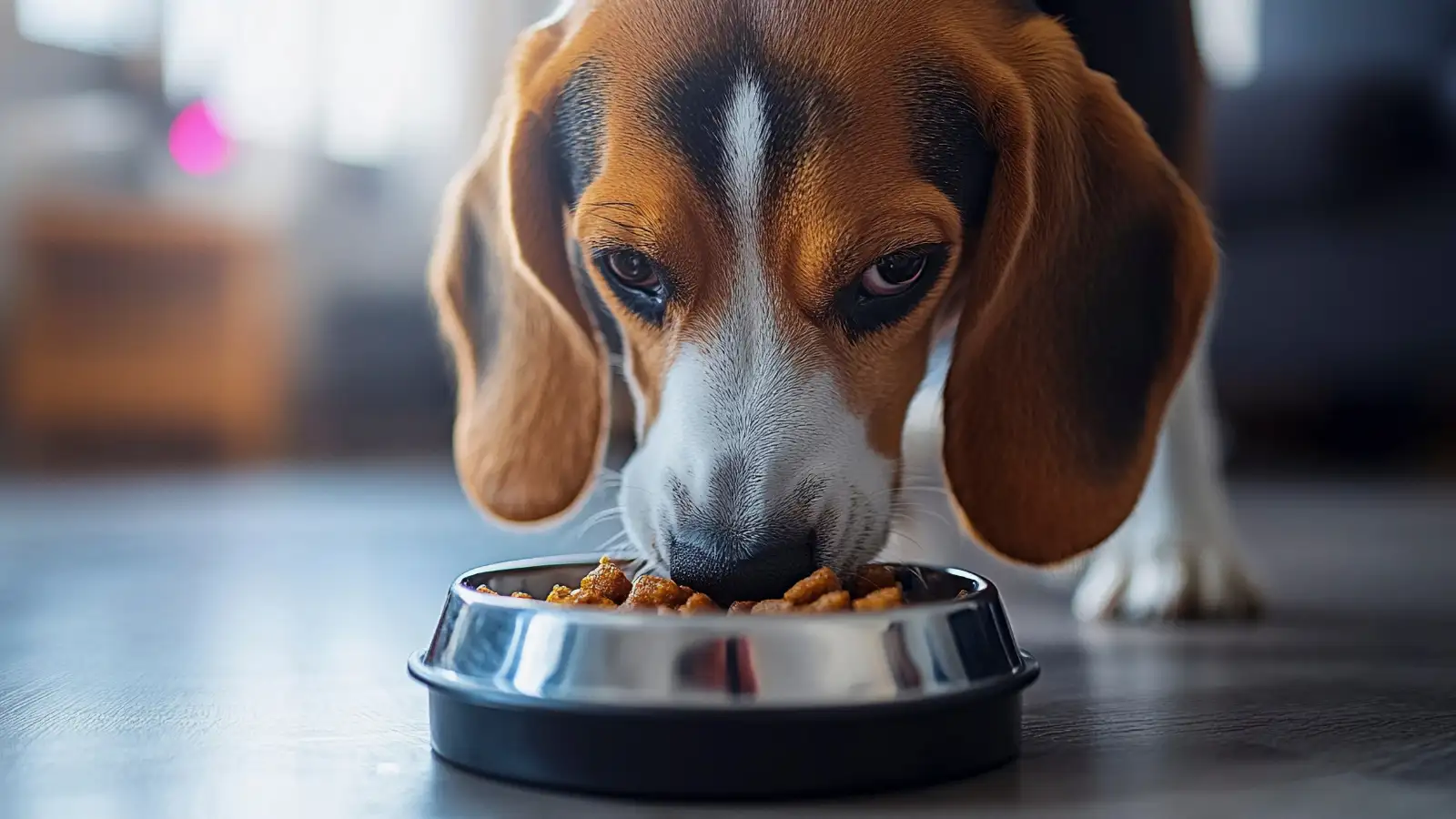
1. Chocolate and Caffeine: A Dangerous Combo for Dogs
Chocolate contains theobromine and caffeine, substances that dogs cannot metabolize efficiently. Even a small piece can trigger vomiting, diarrhea, restlessness, and a rapid heartbeat. Dark chocolate and baking chocolate are especially hazardous due to higher theobromine levels. Similarly, coffee, tea, energy drinks, and caffeinated sodas can overstimulate your dog’s nervous system and may lead to seizures or worse.
2. Grapes, Raisins, and Risky Fruits
Grapes and raisins can cause sudden kidney failure in dogs, sometimes without warning signs. Vomiting, lethargy, dehydration, and appetite loss are common symptoms. Other fruits, such as cherries with pits or unripe tomatoes, can pose choking hazards or digestive issues. Safe alternatives include apples (seedless) or bananas, offered in moderation.
3. Onions, Garlic, and Other Spices
Members of the allium family - onions, garlic, chives, and leeks - are toxic to dogs. They can damage red blood cells, causing hemolytic anemia, which reduces oxygen flow in the body. Symptoms include fatigue, pale gums, weakness, and breathing difficulties. Even small amounts, raw or cooked, can accumulate and become dangerous over time. Avoid using these ingredients in any dog meal or treats.
4. Dairy Products and Fatty Foods
Not all dogs can digest lactose properly, making milk, cheese, and ice cream potential causes of bloating, gas, and diarrhea. Fatty foods like fried items, butter, and greasy leftovers can trigger pancreatitis, a painful inflammation of the pancreas. Regular intake can also lead to obesity and long-term health problems. Sticking to a balanced, dog-specific diet is the safest choice.
5. Xylitol, Alcohol, and Processed Foods
Xylitol, an artificial sweetener in sugar-free gum, candies, baked goods, and some peanut butter, can cause a dangerous drop in blood sugar and even liver failure in dogs. Alcohol can impair their nervous system, leading to disorientation, breathing difficulties, or unconsciousness. Processed foods often contain high salt, additives, and preservatives, which can harm digestion and overall health.
Keep Your Dog Safe with a Balanced Diet
Feeding your dog the right foods is vital for their health and longevity. Avoid chocolate, grapes, onions, xylitol, and processed items to prevent serious complications. Always consult a veterinarian before introducing new foods. A careful, balanced diet ensures your dog remains happy, active, and healthy for years to come.
1. Chocolate and Caffeine: A Dangerous Combo for Dogs
Chocolate contains theobromine and caffeine, substances that dogs cannot metabolize efficiently. Even a small piece can trigger vomiting, diarrhea, restlessness, and a rapid heartbeat. Dark chocolate and baking chocolate are especially hazardous due to higher theobromine levels. Similarly, coffee, tea, energy drinks, and caffeinated sodas can overstimulate your dog’s nervous system and may lead to seizures or worse.
2. Grapes, Raisins, and Risky Fruits
Grapes and raisins can cause sudden kidney failure in dogs, sometimes without warning signs. Vomiting, lethargy, dehydration, and appetite loss are common symptoms. Other fruits, such as cherries with pits or unripe tomatoes, can pose choking hazards or digestive issues. Safe alternatives include apples (seedless) or bananas, offered in moderation.
You may also like
- Weight Gain Despite Healthy Eating: Is your healthy diet betraying you? Why is your body bloating despite everything else?
- Covid Variant 2026: A 'super variant' of coronavirus has arrived. Will your vaccine fail? Scientists make a major revelation.
- Gen Z Body Image Trends: Beware! The 'Olympic Face' is causing premature aging among young people. Are you a victim?
- How Can Class 9 Female Students in Delhi Receive a Bicycle, and Where Must They Apply?
- Kanya Pujan Samagri List: Complete Items and Step-by-Step Ritual Guide for Navratri Ashtami & Navami
3. Onions, Garlic, and Other Spices
Members of the allium family - onions, garlic, chives, and leeks - are toxic to dogs. They can damage red blood cells, causing hemolytic anemia, which reduces oxygen flow in the body. Symptoms include fatigue, pale gums, weakness, and breathing difficulties. Even small amounts, raw or cooked, can accumulate and become dangerous over time. Avoid using these ingredients in any dog meal or treats.
4. Dairy Products and Fatty Foods
Not all dogs can digest lactose properly, making milk, cheese, and ice cream potential causes of bloating, gas, and diarrhea. Fatty foods like fried items, butter, and greasy leftovers can trigger pancreatitis, a painful inflammation of the pancreas. Regular intake can also lead to obesity and long-term health problems. Sticking to a balanced, dog-specific diet is the safest choice.
5. Xylitol, Alcohol, and Processed Foods
Xylitol, an artificial sweetener in sugar-free gum, candies, baked goods, and some peanut butter, can cause a dangerous drop in blood sugar and even liver failure in dogs. Alcohol can impair their nervous system, leading to disorientation, breathing difficulties, or unconsciousness. Processed foods often contain high salt, additives, and preservatives, which can harm digestion and overall health.
Keep Your Dog Safe with a Balanced Diet
Feeding your dog the right foods is vital for their health and longevity. Avoid chocolate, grapes, onions, xylitol, and processed items to prevent serious complications. Always consult a veterinarian before introducing new foods. A careful, balanced diet ensures your dog remains happy, active, and healthy for years to come.






More from our partners


Loving Newspoint? Download the app now
