
7 Vitamin D Rich Foods You Should Add to Your Daily Diet

Even though vitamin D is a vital nutrient for bone health, immunity, and mood regulation, its deficiency is becoming increasingly common in India. Studies show that nearly 76% of Indians have a vitamin D deficiency, with contributing factors including inadequate exposure to sunlight, predominantly indoor lifestyles, and poor dietary habits. One of the best ways to address this deficiency is by including vitamin D-rich foods in your diet. In this article, we will explore the top foods that can help you meet your daily vitamin D needs and improve your overall health.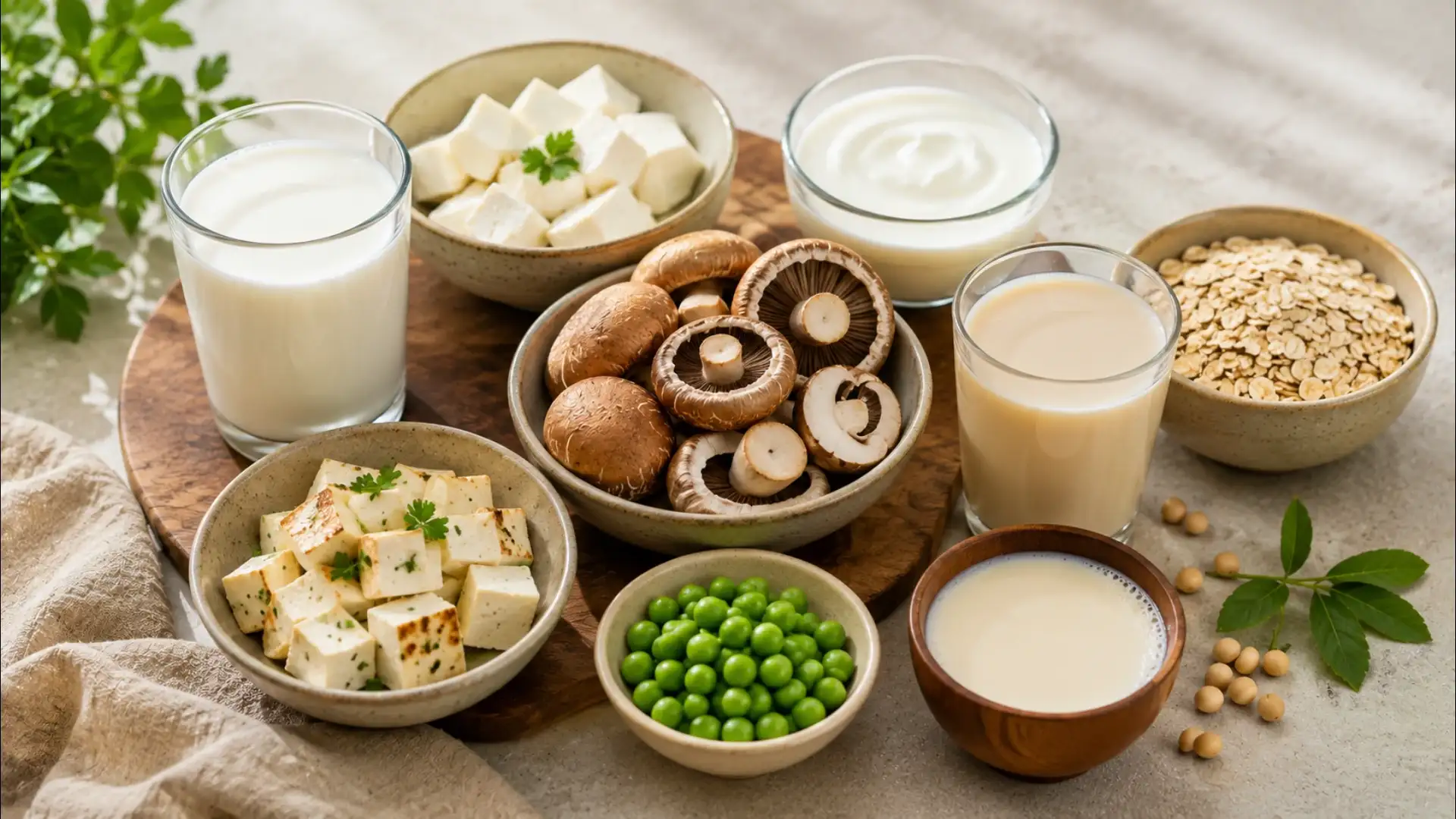
Children (1-18 years): 600 IU (15 mcg)
Adults (19-70 years): 600 IU (15 mcg)
Adults (71 years and older): 800 IU (20 mcg)
Pregnant and breastfeeding women: 600 IU (15 mcg)
The figures represent the average daily intake required to support various bodily functions and maintain optimal bone health. However, many people in countries like India, where vitamin D deficiency is widespread, may require higher intake, particularly if they have limited sun exposure or poor dietary habits.
How to Include: Grill or bake the fish. Add it to salads or sandwiches, or enjoy it as a main course.
How to Include: Add eggs to your breakfast by making scrambled eggs or omelettes. You can also use them in baking or as a topping for salads.
How to Include: Add sauteed mushrooms to soups, stir fries, or salads. They also make an excellent topping for pizzas or a filling for wraps.
How to Include: Drink a glass of milk daily. You can also add it to smoothies or use it in cereal or coffee.
How to Include: Use almond or soy milk in your morning smoothies. You can also add it to your favourite cereal or coffee as a dairy substitute.
How to Include: Add paneer to curries, parathas, or salads. You can also prepare paneer tikka or paneer bhurji for a delicious and nutritious meal.
How to Include: Take it as a supplement or add it to smoothies for an extra nutrient boost.
How Much Vitamin D Do You Need?
The amount of vitamin D required by an individual varies based on age, life stage, and specific health conditions. The Recommended Dietary Allowance (RDA) provides guidelines for daily vitamin D intake to help maintain overall health and prevent deficiency.Recommended Daily Intake (RDA)
Infants (0-12 months): 400 IU (10 mcg)Children (1-18 years): 600 IU (15 mcg)
Adults (19-70 years): 600 IU (15 mcg)
Adults (71 years and older): 800 IU (20 mcg)
Pregnant and breastfeeding women: 600 IU (15 mcg)
The figures represent the average daily intake required to support various bodily functions and maintain optimal bone health. However, many people in countries like India, where vitamin D deficiency is widespread, may require higher intake, particularly if they have limited sun exposure or poor dietary habits.
Vitamin D Rich Foods
Fatty Fish (Salmon, Mackerel, Sardines)
A single serving of salmon can provide a significant amount of vitamin D.How to Include: Grill or bake the fish. Add it to salads or sandwiches, or enjoy it as a main course.
Egg Yolks
Egg yolks contain vitamin D3, the form of vitamin D that is most beneficial for the body. One large egg yolk provides around 40 IU of vitamin D.How to Include: Add eggs to your breakfast by making scrambled eggs or omelettes. You can also use them in baking or as a topping for salads.
Mushrooms (UV Exposed)
Certain types of mushrooms exposed to ultraviolet (UV) light can produce significant amounts of vitamin D. Varieties such as shiitake and maitake are particularly good sources.How to Include: Add sauteed mushrooms to soups, stir fries, or salads. They also make an excellent topping for pizzas or a filling for wraps.
You may also like
- “I told my son to sit and watch the sunset but he could't”: Jaaved Jaaferi on why today's children are losing patience; and what parents can do about screen time
- Monsoon gadget care: 6 practical ways to protect Wi-Fi routers and electronics from moisture
- Why Does My Tailbone Hurt After Childbirth? Causes and Treatment
- My Violin, Amar Akbar Anthony and the Music of India's Unity
- Who is Zarna Garg? The Indian-born comedian whose emotional Instagram post about mothers, dreams and second chances is touching millions
Fortified Milk
Milk and most dairy products are fortified with vitamin D. One cup of fortified milk contains about 100 IU of vitamin D.How to Include: Drink a glass of milk daily. You can also add it to smoothies or use it in cereal or coffee.
Fortified Plant Based Milks (Soy, Almond, Oat)
Fortified plant based milks are an excellent source of vitamin D for people who prefer non dairy alternatives.How to Include: Use almond or soy milk in your morning smoothies. You can also add it to your favourite cereal or coffee as a dairy substitute.
Cottage Cheese
Paneer (Indian cottage cheese) is a good source of protein and also contains vitamin D, although in smaller amounts than many other foods.How to Include: Add paneer to curries, parathas, or salads. You can also prepare paneer tikka or paneer bhurji for a delicious and nutritious meal.
Cod Liver Oil
A single tablespoon of cod liver oil provides more than 1,300 IU of vitamin D.How to Include: Take it as a supplement or add it to smoothies for an extra nutrient boost.






Loving Newspoint? Download the app now
