
Top 8 Vegetarian Protein Sources Beyond Paneer for a Healthy Diet

For vegetarians, protein often starts and stops with paneer, but limiting yourself to just one or two sources can restrict the full benefits your body can gain. Nutritionist Khushi Chhabra emphasizes that while paneer is nutritious, incorporating a variety of protein-rich foods can make a big difference in overall health and energy.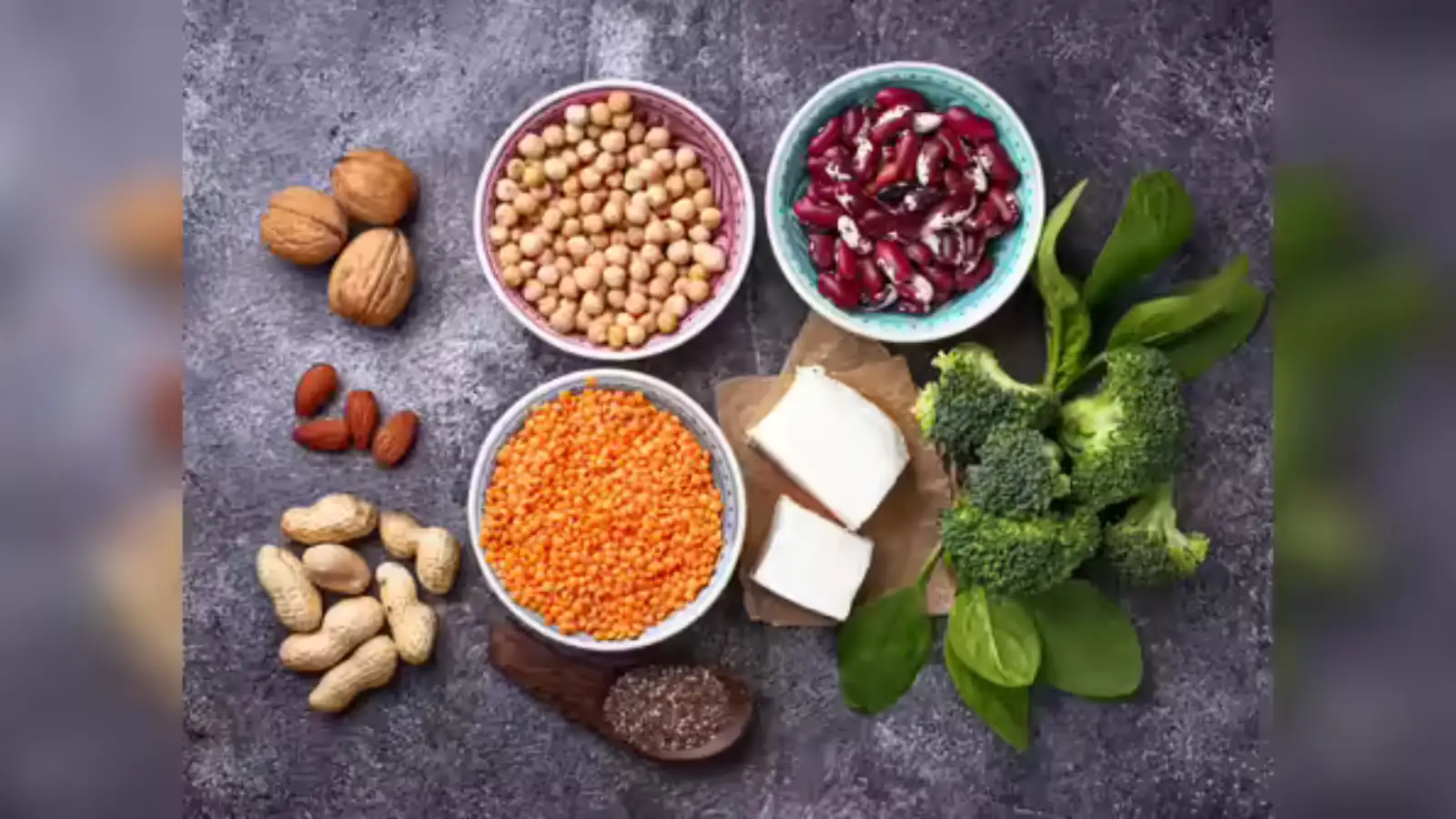
Why You Need Protein Variety in Your Vegetarian Diet
Protein isn’t just about hitting daily numbers - it’s about quality too. Different vegetarian foods contain diverse amino acids, vitamins, and minerals. When you mix them across meals, they support muscle recovery, boost satiety, and help maintain a healthy metabolism. Simply put, diverse protein sources make your body work better.
8 Vegetarian Protein Sources to Add to Your Plate
Here are some easy, versatile options beyond the familiar paneer and dal:
1. Tofu
A versatile staple in Asian cuisines, tofu is packed with plant-based protein and calcium. It absorbs flavours well, making it perfect for curries, stir-fries, and even grilled dishes.
2. Tempeh
This fermented soy product is gaining popularity for a reason. Not only is it high in protein, but tempeh also supports gut health, thanks to its natural probiotics.
3. Edamame
These young soybeans are a complete protein source and surprisingly filling. Snack on them steamed with a pinch of salt or toss them into salads for an extra protein punch.
4. Greek Yogurt or Hung Curd
Thicker and creamier than regular yogurt, Greek yogurt or hung curd offers high protein and beneficial probiotics that aid digestion.
5. Quinoa
Often called a super grain, quinoa is a complete protein containing all essential amino acids. It works beautifully in salads, bowls, or even breakfast porridges.
6. Amaranth (Rajgira)
This ancient grain is rich in protein, iron, and fibre. While popular during fasting periods, it’s excellent as a porridge, khichdi, or as a flour substitute in baking.
7. Hemp Seeds
Tiny but nutrient-dense, hemp seeds are loaded with protein, healthy fats, and essential minerals. Sprinkle them over smoothies, cereals, or salads for a quick boost.
8. Milk and Dairy Proteins
Milk naturally provides whey and casein, high-quality proteins that support muscle repair and sustained energy throughout the day.
Paneer Is Still Welcome
The goal isn’t to eliminate paneer - it’s about adding variety. Mix your meals: tofu today, quinoa tomorrow, seeds at breakfast. Small swaps like these can improve nutrient absorption, boost energy, and make meals more satisfying.
A balanced vegetarian diet isn’t about restriction - it’s about diversity. By spreading your protein across multiple foods, you nourish your body in multiple ways, supporting strength, recovery, and satiety. Even simple changes can have a long-term impact on your health and wellbeing.
Why You Need Protein Variety in Your Vegetarian Diet
Protein isn’t just about hitting daily numbers - it’s about quality too. Different vegetarian foods contain diverse amino acids, vitamins, and minerals. When you mix them across meals, they support muscle recovery, boost satiety, and help maintain a healthy metabolism. Simply put, diverse protein sources make your body work better.
8 Vegetarian Protein Sources to Add to Your Plate
Here are some easy, versatile options beyond the familiar paneer and dal:
1. Tofu
A versatile staple in Asian cuisines, tofu is packed with plant-based protein and calcium. It absorbs flavours well, making it perfect for curries, stir-fries, and even grilled dishes.
2. Tempeh
This fermented soy product is gaining popularity for a reason. Not only is it high in protein, but tempeh also supports gut health, thanks to its natural probiotics.
3. Edamame
These young soybeans are a complete protein source and surprisingly filling. Snack on them steamed with a pinch of salt or toss them into salads for an extra protein punch.
4. Greek Yogurt or Hung Curd
Thicker and creamier than regular yogurt, Greek yogurt or hung curd offers high protein and beneficial probiotics that aid digestion.
5. Quinoa
Often called a super grain, quinoa is a complete protein containing all essential amino acids. It works beautifully in salads, bowls, or even breakfast porridges.
6. Amaranth (Rajgira)
You may also like
- How to identify honey bee nest around home: What it looks like and where bees build it
- Is Kriti Sanon channelling her 'Cocktail' era already? This Nensi Dojaka bold cutout gown look says 'yes'
- Teaching kids time skills without turning life into a timetable
- Kochi sees surge in global travel interest
- Why Panchmukhi Hanuman Is Seen as Protection From All Five Directions
This ancient grain is rich in protein, iron, and fibre. While popular during fasting periods, it’s excellent as a porridge, khichdi, or as a flour substitute in baking.
7. Hemp Seeds
Tiny but nutrient-dense, hemp seeds are loaded with protein, healthy fats, and essential minerals. Sprinkle them over smoothies, cereals, or salads for a quick boost.
8. Milk and Dairy Proteins
Milk naturally provides whey and casein, high-quality proteins that support muscle repair and sustained energy throughout the day.
Paneer Is Still Welcome
The goal isn’t to eliminate paneer - it’s about adding variety. Mix your meals: tofu today, quinoa tomorrow, seeds at breakfast. Small swaps like these can improve nutrient absorption, boost energy, and make meals more satisfying.
A balanced vegetarian diet isn’t about restriction - it’s about diversity. By spreading your protein across multiple foods, you nourish your body in multiple ways, supporting strength, recovery, and satiety. Even simple changes can have a long-term impact on your health and wellbeing.






More from our partners


Loving Newspoint? Download the app now
