
Best Monsoon Fruits for Health: Nature’s Seasonal Boost for Immunity

When rain clouds cover the sky and temperatures become cooler, our food choices naturally begin to change. The monsoon season affects appetite, digestion and immunity, making nutrition more important than ever. While many people focus on avoiding unhealthy street food during rainy days, adding the right fruits to the diet can provide powerful health benefits. Monsoon fruits are not only refreshing but also contain nutrients that help the body handle seasonal challenges. Understanding which fruits support immunity and digestion can turn the rainy season into a time of better health and nourishment.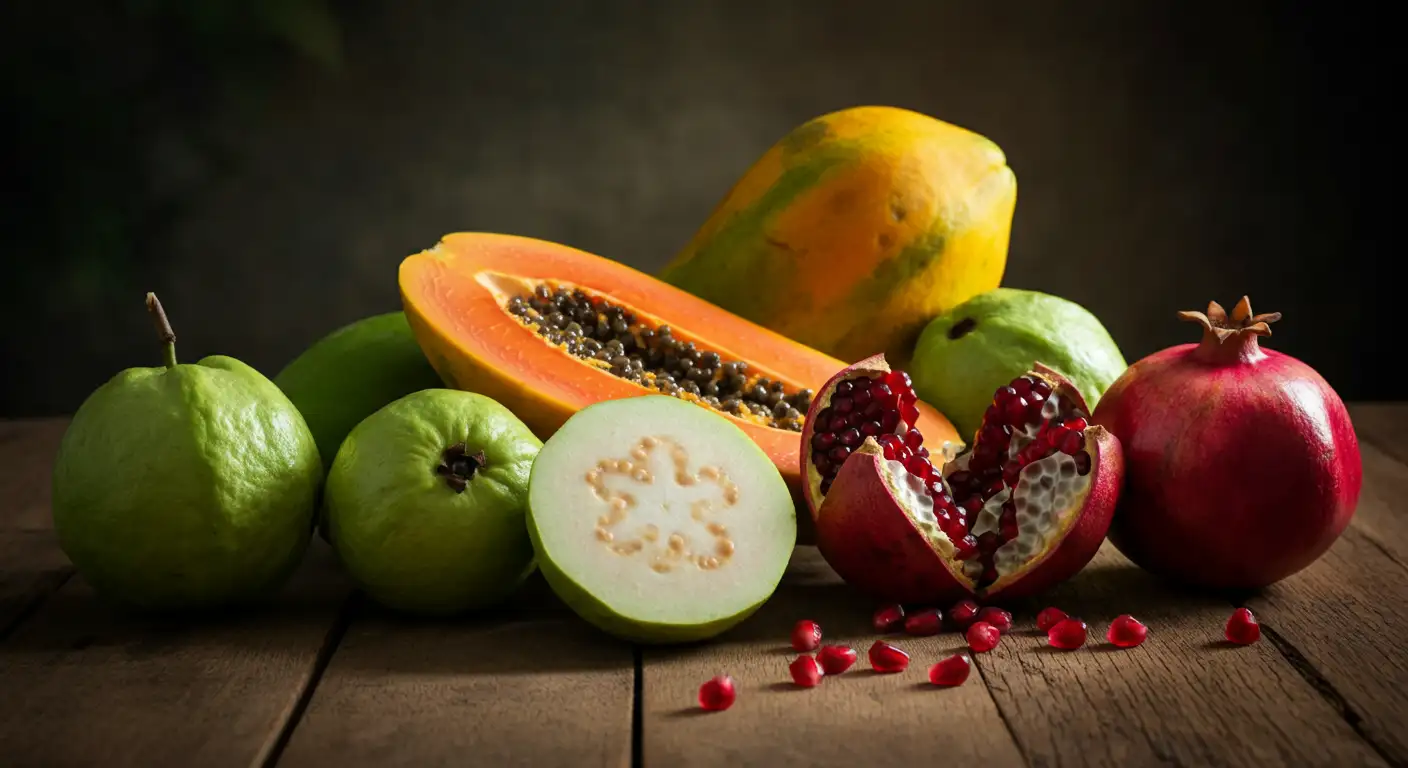
Fruits rich in vitamin C, antioxidants and minerals help the body maintain its natural defence mechanisms. Citrus fruits, guava and amla are known for their vitamin C content, which supports immune function.
Hydration is another important factor. Although people may not feel as thirsty during rainy weather compared with summer, the body still requires enough fluids. Water-rich fruits such as watermelon, although more commonly associated with summer, and seasonal options like pears can contribute to daily hydration.
Papaya is another popular fruit during monsoon because of its digestive benefits. The enzyme papain found in papaya helps break down proteins and supports smoother digestion.
Pomegranate has been valued for centuries in traditional medicine. Ancient cultures used it not only as a food but also for its potential wellness properties. Today, researchers continue to study its antioxidant compounds and their role in supporting overall health.
Fruits should always be washed thoroughly before consumption. Cutting fruits and leaving them uncovered for long periods should be avoided, especially in humid conditions.
A surprising fact is that the outer surface of fruits can carry microorganisms from handling, transportation and storage environments. Simple hygiene practices can significantly reduce health risks.
Seasonal eating is gaining attention worldwide because it encourages people to consume fresh, locally available produce. It also supports farmers and reduces dependence on heavily processed foods.
How Fruits Support Health During Monsoon
During monsoon, the body faces several environmental changes. Higher moisture levels, sudden temperature fluctuations and exposure to infections can put extra pressure on the immune system.Fruits rich in vitamin C, antioxidants and minerals help the body maintain its natural defence mechanisms. Citrus fruits, guava and amla are known for their vitamin C content, which supports immune function.
Hydration is another important factor. Although people may not feel as thirsty during rainy weather compared with summer, the body still requires enough fluids. Water-rich fruits such as watermelon, although more commonly associated with summer, and seasonal options like pears can contribute to daily hydration.
Guava, Papaya and Pomegranate: Powerful Monsoon Choices
Guava is often considered a nutritional powerhouse because it contains high levels of vitamin C and dietary fibre. It supports digestion and can be a useful addition to a balanced diet.Papaya is another popular fruit during monsoon because of its digestive benefits. The enzyme papain found in papaya helps break down proteins and supports smoother digestion.
Pomegranate has been valued for centuries in traditional medicine. Ancient cultures used it not only as a food but also for its potential wellness properties. Today, researchers continue to study its antioxidant compounds and their role in supporting overall health.
Why Cleanliness Matters While Eating Fruits
Choosing healthy fruits is only part of monsoon nutrition. Proper washing and storage are equally important. The rainy season increases the possibility of contamination because moisture allows microorganisms to survive more easily.Fruits should always be washed thoroughly before consumption. Cutting fruits and leaving them uncovered for long periods should be avoided, especially in humid conditions.
A surprising fact is that the outer surface of fruits can carry microorganisms from handling, transportation and storage environments. Simple hygiene practices can significantly reduce health risks.
Seasonal Eating and Modern Lifestyle
Many people today follow irregular eating patterns because of busy schedules. During monsoon, this can weaken digestion and energy levels. Including fruits as part of breakfast, snacks or light evening meals can provide essential nutrients without making the digestive system work excessively.Seasonal eating is gaining attention worldwide because it encourages people to consume fresh, locally available produce. It also supports farmers and reduces dependence on heavily processed foods.
Next Story