
Best Plant Foods With Complete Protein for a Healthy Balanced Diet

For many years, protein was almost automatically linked with meat, eggs and dairy. Plant-based foods were often seen as incomplete sources that needed careful combining to meet daily nutritional needs. However, modern nutrition research has changed that conversation. Today, we know that several plant foods naturally contain all nine essential amino acids, making them complete proteins. As more people choose vegetarian, vegan or flexitarian diets, understanding these foods has become increasingly important. Whether your goal is better health, environmental sustainability or simply adding more variety to your meals, complete plant proteins offer a practical and nutritious way to support your body's everyday needs.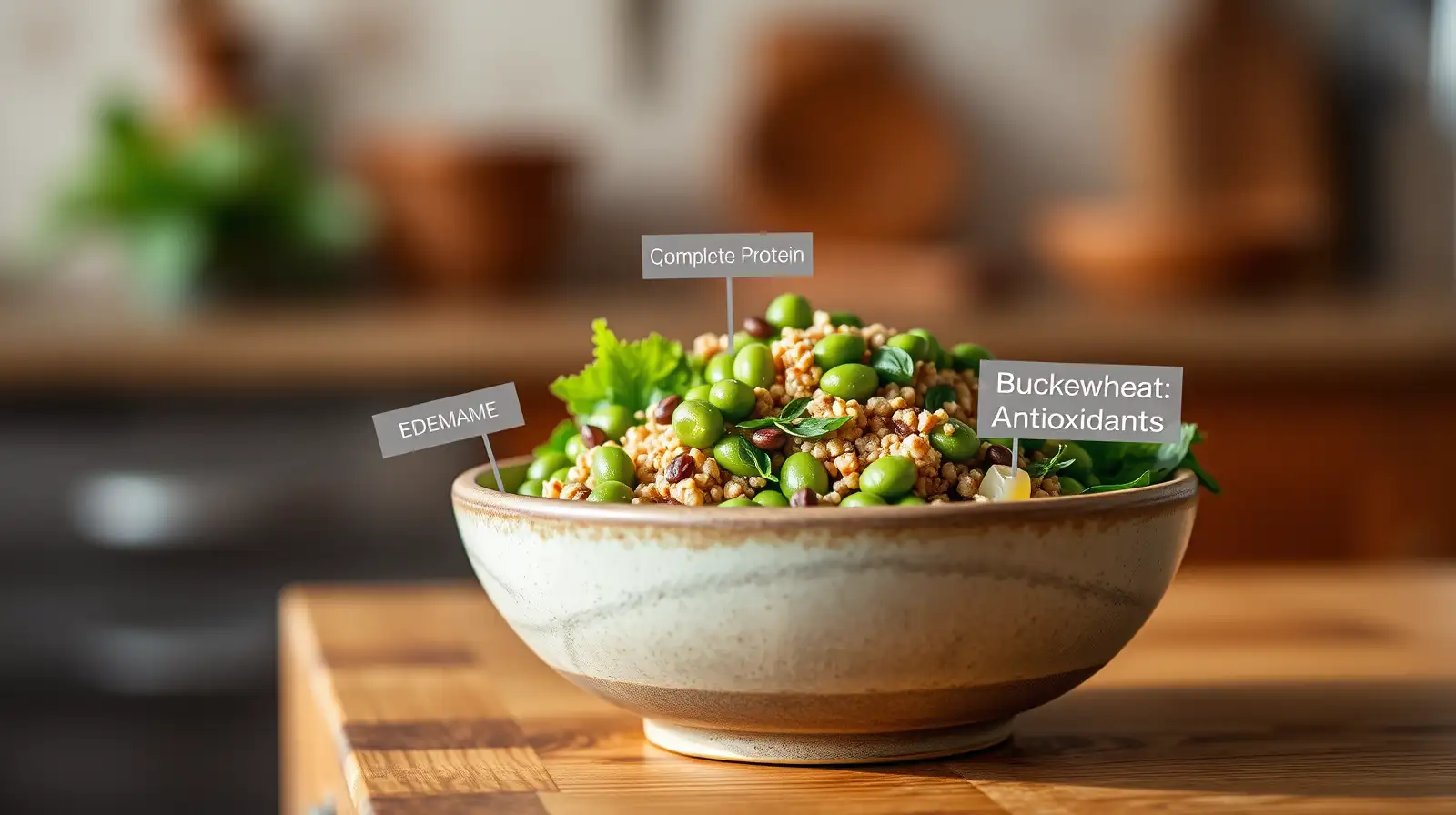
Animal products naturally provide complete protein, but a number of plant foods do as well. Even many plant foods that are not technically complete can still contribute to a balanced diet when eaten alongside a variety of other foods throughout the day.
Quinoa is another standout choice. Although commonly treated as a grain, it is actually a seed. It contains all essential amino acids and also provides fibre, magnesium and manganese. Its light texture makes it suitable for salads, soups and warm grain bowls.
Buckwheat, despite its name, is unrelated to wheat and is naturally gluten-free. It is widely enjoyed in pancakes, noodles and porridge while offering complete protein and valuable minerals.
Amaranth is another ancient grain that has quietly gained popularity. Besides complete protein, it delivers calcium and antioxidants that support overall health.
Spirulina, a blue-green algae, contains remarkably high levels of protein by weight. While it is usually consumed in small amounts as a powder, it adds nutrients to smoothies and health drinks.
Interestingly, nutritional yeast, popular among vegans for its cheesy flavour, also contributes protein along with several B vitamins when fortified.
Eating a varied diet across the day provides the body with the amino acids it needs. Whole grains, legumes, nuts and seeds naturally complement one another over time, making balanced eating much simpler than previously believed.
At the same time, complete plant proteins often come packaged with fibre, antioxidants, vitamins and minerals that support heart health, digestive health and overall wellbeing. Unlike many animal protein sources, they are naturally free from cholesterol and tend to contain less saturated fat.
What Makes a Protein Complete?
Proteins are made up of amino acids, nine of which are considered essential because the human body cannot produce them. These must come from food. A complete protein contains all nine essential amino acids in sufficient amounts.Animal products naturally provide complete protein, but a number of plant foods do as well. Even many plant foods that are not technically complete can still contribute to a balanced diet when eaten alongside a variety of other foods throughout the day.
Plant Foods That Naturally Provide Complete Protein
Soybeans are among the best-known complete plant proteins. Foods made from soy, including tofu, tempeh and edamame, provide high-quality protein while also supplying iron and beneficial plant compounds.Quinoa is another standout choice. Although commonly treated as a grain, it is actually a seed. It contains all essential amino acids and also provides fibre, magnesium and manganese. Its light texture makes it suitable for salads, soups and warm grain bowls.
You may also like
- This 500-year-old Spanish olive tree survived centuries of wars, droughts and changing empires, only to be lifted by cranes after a storm felled a homeowner's pine tree and replanted as the centrepiece of a private mountain chalet's garden
- Nuchal Translucency (NT) Scan: What It Is and How It Screens for Chromosomal Conditions
- Garden experts say one simple landscaping swap could help keep ticks away all summer: And many homeowners already use it without knowing why
- Oxytocin Health Risks: 2700 vials of substandard oxytocin fail at RML. Do you know why this medicine is fatal for you?
- Swara Lodha's Bridal Look Steals the Spotlight: Why Her Ivory-Gold Lehenga Is Winning Hearts
Buckwheat, despite its name, is unrelated to wheat and is naturally gluten-free. It is widely enjoyed in pancakes, noodles and porridge while offering complete protein and valuable minerals.
Amaranth is another ancient grain that has quietly gained popularity. Besides complete protein, it delivers calcium and antioxidants that support overall health.
Lesser-Known Complete Protein Sources
Hemp seeds are often overlooked despite offering an impressive nutritional profile. Just a few spoonfuls can boost smoothies, yoghurt or salads with protein, healthy fats and minerals.Spirulina, a blue-green algae, contains remarkably high levels of protein by weight. While it is usually consumed in small amounts as a powder, it adds nutrients to smoothies and health drinks.
Interestingly, nutritional yeast, popular among vegans for its cheesy flavour, also contributes protein along with several B vitamins when fortified.
Do You Still Need to Combine Plant Proteins?
One of the biggest nutrition myths is that people must combine foods like rice and beans within the same meal to create complete protein. Scientists now agree that this is unnecessary for most healthy individuals.Eating a varied diet across the day provides the body with the amino acids it needs. Whole grains, legumes, nuts and seeds naturally complement one another over time, making balanced eating much simpler than previously believed.
Why Complete Plant Proteins Matter Today
Growing interest in sustainable eating has brought plant proteins into the spotlight. Producing many plant-based protein sources generally requires fewer natural resources than raising livestock, making them an attractive option for environmentally conscious consumers.At the same time, complete plant proteins often come packaged with fibre, antioxidants, vitamins and minerals that support heart health, digestive health and overall wellbeing. Unlike many animal protein sources, they are naturally free from cholesterol and tend to contain less saturated fat.






Loving Newspoint? Download the app now
