
Best Plant Foods With Complete Protein for a Healthy Balanced Diet

For many years, protein was almost automatically linked with meat, eggs and dairy. Plant-based foods were often seen as incomplete sources that needed careful combining to meet daily nutritional needs. However, modern nutrition research has changed that conversation. Today, we know that several plant foods naturally contain all nine essential amino acids, making them complete proteins. As more people choose vegetarian, vegan or flexitarian diets, understanding these foods has become increasingly important. Whether your goal is better health, environmental sustainability or simply adding more variety to your meals, complete plant proteins offer a practical and nutritious way to support your body's everyday needs.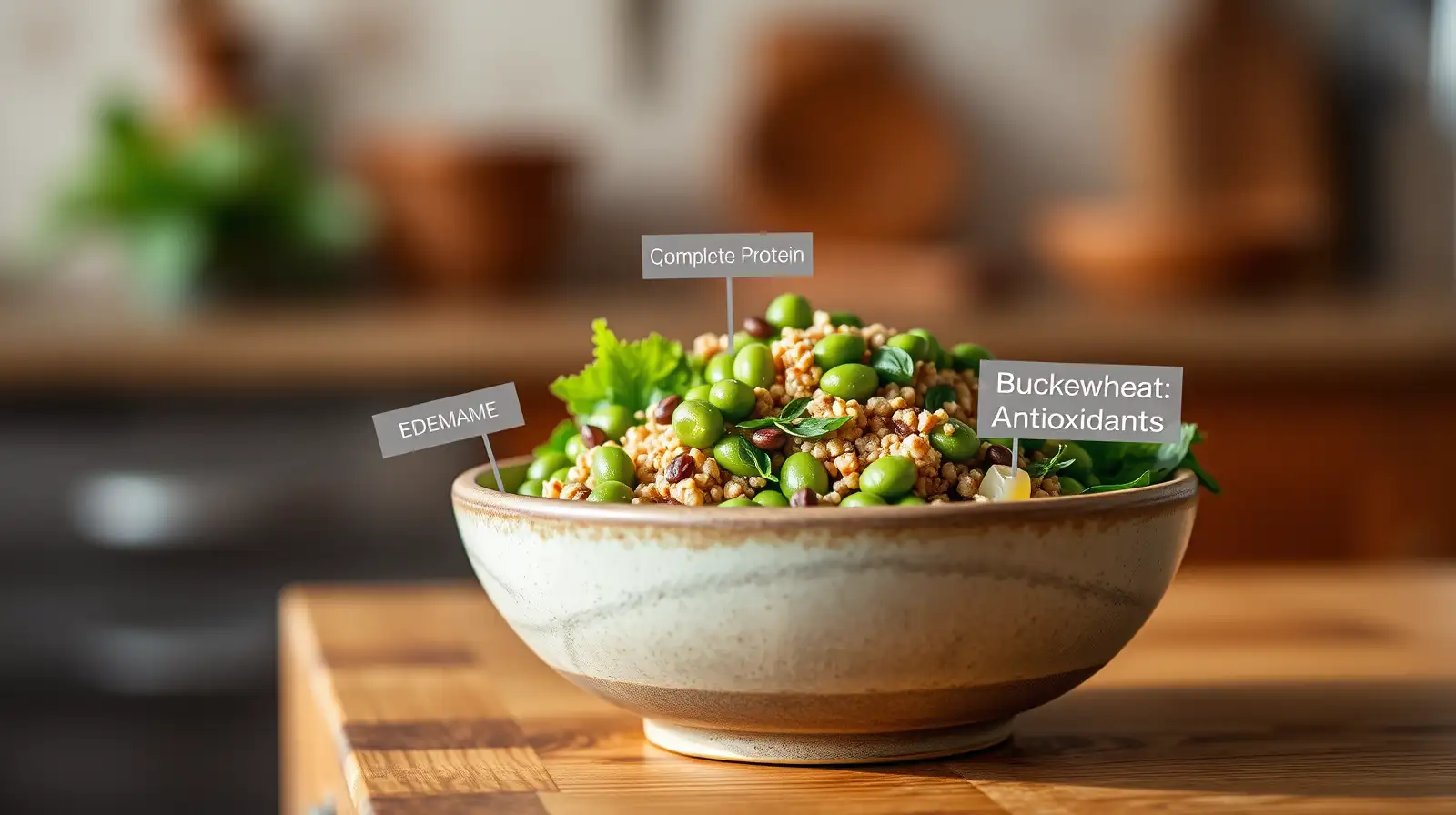
Animal products naturally provide complete protein, but a number of plant foods do as well. Even many plant foods that are not technically complete can still contribute to a balanced diet when eaten alongside a variety of other foods throughout the day.
Quinoa is another standout choice. Although commonly treated as a grain, it is actually a seed. It contains all essential amino acids and also provides fibre, magnesium and manganese. Its light texture makes it suitable for salads, soups and warm grain bowls.
What Makes a Protein Complete?
Proteins are made up of amino acids, nine of which are considered essential because the human body cannot produce them. These must come from food. A complete protein contains all nine essential amino acids in sufficient amounts.Animal products naturally provide complete protein, but a number of plant foods do as well. Even many plant foods that are not technically complete can still contribute to a balanced diet when eaten alongside a variety of other foods throughout the day.
Plant Foods That Naturally Provide Complete Protein
Soybeans are among the best-known complete plant proteins. Foods made from soy, including tofu, tempeh and edamame, provide high-quality protein while also supplying iron and beneficial plant compounds.Quinoa is another standout choice. Although commonly treated as a grain, it is actually a seed. It contains all essential amino acids and also provides fibre, magnesium and manganese. Its light texture makes it suitable for salads, soups and warm grain bowls.
Next Story