
From Hill Stations to Leopard Safaris: Exploring Rajasthan's Diverse Winter Landscape

While Jaisalmer's golden sand dunes and desert camps remain iconic winter attractions, Rajasthan's vast cultural and geographical diversity extends far beyond its western desert landscapes. The winter months bring crisp, cool weather across the state, creating ideal conditions to explore lush, forested hills, ancient granite crags, historic wildlife reserves and vibrant heritage markets without the scorching summer heat.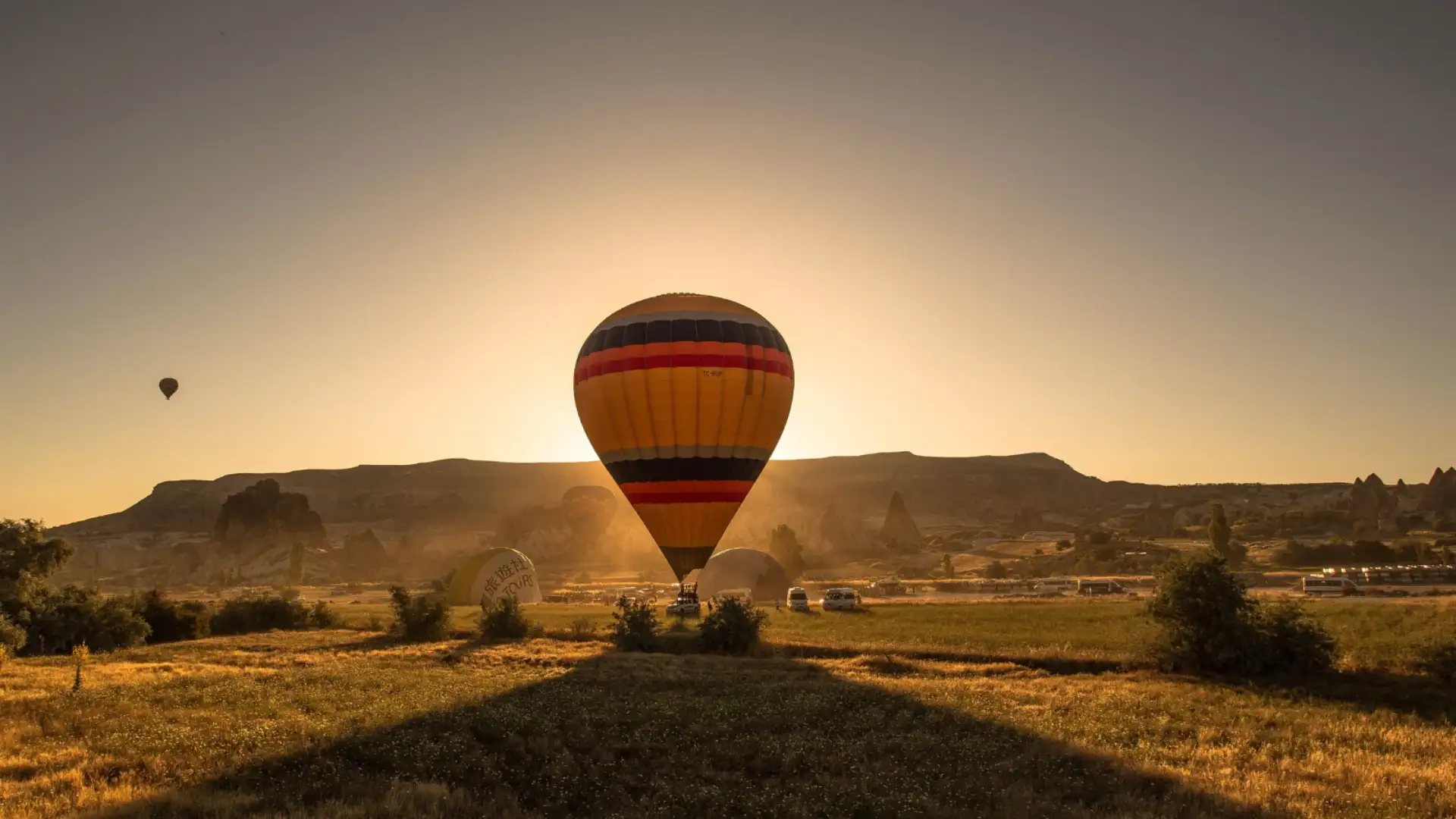
For travellers seeking a rich mix of nature, heritage and outdoor adventure, venturing beyond traditional desert itineraries reveals an unexpected side of the royal state.
Exploring these varied regional highlights allows travellers to experience the full spectrum of Rajasthan's natural beauty, history and vibrant culture.
For travellers seeking a rich mix of nature, heritage and outdoor adventure, venturing beyond traditional desert itineraries reveals an unexpected side of the royal state.
1. Tiger Spotting at Ranthambore National Park
Trading palace halls for dense jungle trails, Ranthambore National Park in Sawai Madhopur offers an exhilarating wildlife experience. Famous for its population of Royal Bengal tigers, sloth bears and sambar deer, the reserve lies near the historic Ranthambore Fort, which is part of a UNESCO World Heritage Site. Booking winter safaris through official forest department portals allows travellers to spot wildlife against a backdrop of ancient ruins.2. Hot-Air Balloon Rides Over Jaipur and Pushkar
To appreciate the grand scale of Rajasthan's historic architecture and rugged Aravalli landscapes, hot-air balloon flights offer a bird's-eye view. Flights operate around Jaipur and Pushkar during the cooler months, generally from autumn through spring. Early morning rides allow passengers to enjoy views of hilltop forts, colourful village settlements and scenic lakes at sunrise.3. Unwinding at Mount Abu, Rajasthan's Only Hill Station
Situated at an elevation of nearly 4,000 feet in the Aravalli Range, Mount Abu offers a refreshing contrast to Rajasthan's dry plains. The hill station is home to forested trails, scenic views of Nakki Lake and Guru Shikhar, the highest peak in the Aravalli Range. It is also famous for the Dilwara Temples, which are renowned for their intricate marble carvings and significance in the Svetambara Jain tradition.4. Heritage Walks Through Jodhpur's Blue City
Exploring Jodhpur's historic centre on foot reveals narrow, winding lanes lined with houses painted in distinctive shades of blue. Beyond visiting landmarks such as Mehrangarh Fort and Jaswant Thada, wandering through bustling local bazaars offers an authentic taste of local street food, including spicy mirchi vadas and fresh lassi. The markets also feature handcrafted leather juttis and traditional textiles.5. Leopard Safaris in the Granite Hills of Jawai
Located in the Pali district, Jawai's rugged granite hills offer a distinctive wildlife experience, where free-roaming leopards share the landscape with local Rabari pastoral communities. Open-jeep safaris take visitors through the rocky terrain, where they may spot leopards resting on sun-warmed boulders. Nearby Jawai Dam also attracts seasonal migratory birds during the winter months.6. Panoramic Views at Sajjangarh (Monsoon Palace) in Udaipur
Perched on a hill overlooking Udaipur, Sajjangarh Palace was originally conceived by Maharana Sajjan Singh as an astronomical observatory. Today, the palace offers sweeping panoramic views of the surrounding Aravalli hills, lakes and cityscape, making it a popular spot to enjoy a winter sunset in Rajasthan.Exploring these varied regional highlights allows travellers to experience the full spectrum of Rajasthan's natural beauty, history and vibrant culture.
Next Story