
How to Protect Your Vehicle From Rust During the Monsoon

Rust is one of the biggest hidden enemies of any vehicle. Unlike a dent or scratch, it often develops slowly and quietly, becoming visible only after significant damage has already been done. The monsoon creates ideal conditions for rust to form, as rainwater, humidity, mud, and road grime constantly expose metal parts to moisture. Whether you own a car or a motorcycle, ignoring rust can shorten your vehicle's lifespan, reduce its resale value, and lead to costly repairs. The good news is that preventing rust is much easier than removing it. With regular maintenance and a few practical habits, you can protect your vehicle and keep it looking and performing at its best.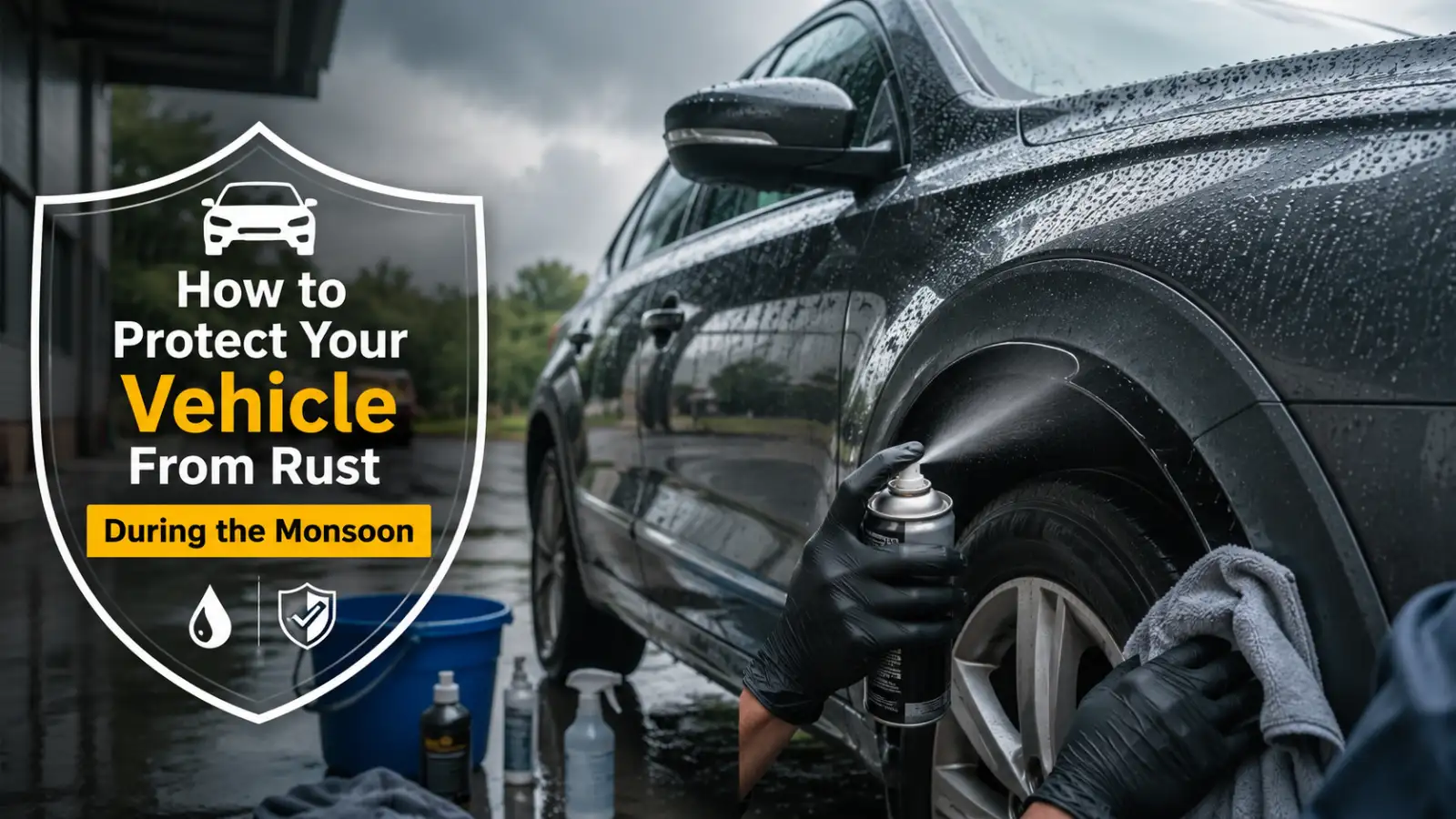
Mud, dirty water, and pollutants make the problem even worse. These substances cling to the underside of the vehicle and trap moisture against metal surfaces for long periods. If left untreated, corrosion can gradually spread from small patches to larger areas.
Coastal regions face an even greater challenge because salty air accelerates the rusting process.
Rainwater often leaves behind dirt, grime, and chemicals that remain on the bodywork after the water evaporates. Washing your car or motorcycle every week during the rainy season helps remove these harmful deposits before they begin causing damage.
Pay special attention to the underbody, wheel arches, suspension components, and the area behind the wheels. These are the places where mud and water collect most easily.
After washing, dry the vehicle thoroughly to prevent moisture from remaining in hidden corners.
Small scratches, stone chips, and peeling paint expose bare metal, allowing rust to develop. Repairing these minor imperfections promptly can stop corrosion before it spreads.
Applying a quality wax or paint sealant creates an additional protective layer that helps repel water and makes it more difficult for dirt to stick to the surface.
Many manufacturers apply anti-corrosion coatings at the factory, but these protective layers gradually wear away over time. An underbody anti-rust treatment can provide additional protection, particularly for older vehicles or those driven frequently during the monsoon.
Regular inspections also help identify early signs of corrosion before they become serious.
If these drains become blocked by leaves, mud, or dirt, trapped water can remain inside the panels for extended periods, increasing the risk of hidden rust.
Cleaning these drainage points occasionally is a simple task that can prevent expensive bodywork repairs later.
Whenever possible, use a covered parking space to reduce direct exposure to rain. If covered parking is unavailable, use a breathable waterproof cover rather than an airtight plastic sheet, which can trap moisture underneath.
If your vehicle becomes wet after driving in heavy rain, allow it to dry naturally before covering it.
Interestingly, vehicles that remain damp for long periods are often more vulnerable to rust than those that get wet but dry quickly.
Preventing corrosion not only preserves your vehicle's appearance but also protects its structural strength, improves safety, and helps maintain a higher resale value.
Why Vehicles Rust More During the Monsoon
Rust forms when iron or steel reacts with oxygen and moisture, a process known as oxidation. During the monsoon, vehicles are exposed to constant dampness, making this reaction occur more quickly.Mud, dirty water, and pollutants make the problem even worse. These substances cling to the underside of the vehicle and trap moisture against metal surfaces for long periods. If left untreated, corrosion can gradually spread from small patches to larger areas.
Coastal regions face an even greater challenge because salty air accelerates the rusting process.
Wash Your Vehicle Regularly
One of the simplest ways to prevent rust is by keeping your vehicle clean.Rainwater often leaves behind dirt, grime, and chemicals that remain on the bodywork after the water evaporates. Washing your car or motorcycle every week during the rainy season helps remove these harmful deposits before they begin causing damage.
Pay special attention to the underbody, wheel arches, suspension components, and the area behind the wheels. These are the places where mud and water collect most easily.
After washing, dry the vehicle thoroughly to prevent moisture from remaining in hidden corners.
Protect the Paintwork
The paint on your vehicle is more than just decoration. It acts as a protective barrier that prevents moisture from reaching the metal underneath.Small scratches, stone chips, and peeling paint expose bare metal, allowing rust to develop. Repairing these minor imperfections promptly can stop corrosion before it spreads.
Applying a quality wax or paint sealant creates an additional protective layer that helps repel water and makes it more difficult for dirt to stick to the surface.
Don't Ignore the Underbody
The underbody is one of the most vulnerable parts of any vehicle because it is constantly exposed to water, mud, and road debris.Many manufacturers apply anti-corrosion coatings at the factory, but these protective layers gradually wear away over time. An underbody anti-rust treatment can provide additional protection, particularly for older vehicles or those driven frequently during the monsoon.
Regular inspections also help identify early signs of corrosion before they become serious.
You may also like
- Wamiqa Gabbi's bold pixie cut is giving Princess Diana elegance and Zendaya energy
- More than petrichor: Why rain makes us feel happier, calmer, even nostalgic
- How does an account get drained without even sharing the OTP?
- Effective Skincare Tips for Oily Skin in Monsoon
- Revive Your Dried Mascara with Simple Home Remedies
Keep Drainage Points Clear
Modern vehicles include small drainage holes in doors, the boot, and other body panels. These openings allow rainwater to escape instead of collecting inside.If these drains become blocked by leaves, mud, or dirt, trapped water can remain inside the panels for extended periods, increasing the risk of hidden rust.
Cleaning these drainage points occasionally is a simple task that can prevent expensive bodywork repairs later.
Store Your Vehicle Properly
Where you park your vehicle has a significant impact on rust prevention .Whenever possible, use a covered parking space to reduce direct exposure to rain. If covered parking is unavailable, use a breathable waterproof cover rather than an airtight plastic sheet, which can trap moisture underneath.
If your vehicle becomes wet after driving in heavy rain, allow it to dry naturally before covering it.
Interestingly, vehicles that remain damp for long periods are often more vulnerable to rust than those that get wet but dry quickly.
Why Rust Prevention Matters Today
Modern vehicles are built to last longer than ever, but they still require regular care to remain in good condition. Repairing rust damage often involves replacing body panels or structural components, making it one of the more expensive maintenance issues.Preventing corrosion not only preserves your vehicle's appearance but also protects its structural strength, improves safety, and helps maintain a higher resale value.






Loving Newspoint? Download the app now
