
Traditional Pregnancy Diets Around the World: Surprising Foods Expecting Mothers Eat


Each country has its traditional culture, with unique clothing traditions, customs, and rituals. The one thing that connects everyone is the shared love for food. Each culture has its own foods that they borrowed from other cultures and add tweaks to fit into their climate and preferences. Most cultures see food as a medicine and contain various diets for various illnesses and conditions.
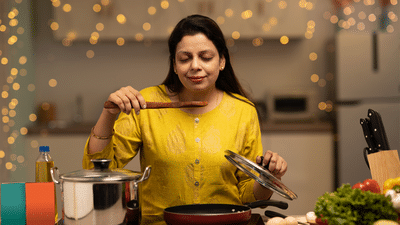
Especially for pregnant women, each culture has its own traditional pregnancy diet, and women are encouraged to eat certain foods, avoid a few foods, and closely listen to their cravings. Some of the foods from some countries may seem surprising or even unusual from an outsider's perspective. What one society considers essential for a strong baby, another avoids it entirely.
Surprising Traditional Pregnancy Diet Around the World
Traditional pregnancy diets around the world are shaped by ritual, symbolism, and deeply rooted beliefs and brim with bold flavours and nutrition that often challenge Western palates. Here are some surprising traditional pregnancy diets around the world.
India
India has one of the oldest and most structured traditional pregnancy dietary systems in the world. The Indian pregnancy diet is deeply rooted in Ayurveda and focuses on balance, nourishment, digestion, and foetal development. India follows a trimester-wise, region-wise, and body-type-based diet approach and emphasises warm, fresh, and seasonal food.

Traditional Indian pregnancy nutrition is based on four principles:
Ayurdeva emphasises foods like warm milk, kanji or porridge, rice, moong dal, coconut water, fresh fruits, and a moderate amount of ghee as they are easy to digest, hydrating for the body, reduce nausea and acidity, and support implantation. Spicy, sour, and salty foods, raw vegetables and meat, fermented foods and street foods are not recommended.
Indonesia
Indonesian pregnancy diets are not the same everywhere; they vary across Javanese, Sundanese, Balinese, Malay, and coastal communities. However, each diet prioritises foods that are nourishing, balancing, and protective for the mother's health and fetal growth. Indonesians take their mother’s pregnancy cravings, called ngidam, very seriously. They believe ignoring cravings causes emotional distress and discomfort.
Indonesian ngidam foods are not always nutritionally logical, but they are respected and offer comfort. For example: sour and spicy snacks, Rujak, vibrant fruit and vegetable salad, which is famous for its tangy-spicy kick, Unripe mango, and tamarind-based foods. Rice is a staple in Indonesian culture. They also rely more on vegetables, fruits, meat, soups, and broths.
China
Chinese pregnancy nutrition is rooted in Traditional Chinese Medicine, which serves as a tool to maintain balance, harmony, and vitality for the birth mother and the baby. It emphasises that a pregnancy diet should have energetic balance, digestive strength, and blood nourishment rather than only calories and nutrients.
Here are the key principles of the Chinese approach to pregnancy nutrition:
The traditional Chinese pregnancy diet considers rice, congee, traditional noodles, steamed buns, light soups, and birth. These foods provide steady energy without stressing the digestive system. Chinese protein sources include eggs, lean pork, chicken, fish, tofu, and soy. TCM also provides various food-grade medicinal ingredients like red dates for blood and energy, goji berries in soups or tea, and ginger for digestion and reducing nausea.
Japan
Japan, in general, loves mindfulness and moderation, which they incorporate into their pregnancy diet as well. Japan's pregnancy diet philosophy is moderation, mindfulness and nourishment. They don't appreciate overindulgence or strict restriction; instead, their diet emphasises natural flavours, seasonal foods, gentle cooking methods, and balance, deeply rooted in Washoku.
A few Japanese nutrition philosophies include:
Again, the Japanese can't live without their rice. They pair them with stir-fried vegetables, soup, and a protein source. Rice is considered neutral, calming, and gentle on the stomach. They also prioritise soups, especially miso soup, which is consumed daily. Miso soup commonly includes tofu, green onions, seaweed, and wakame seaweed. They are warming, hydrating, and rich in probiotics and minerals.
Turkey
Turkey is rich in traditions, culture, and rituals. Turkish people consider pregnancy as a time of abundance, care and nourishment. The Turkish traditional pregnancy diet is rooted in Ottoman culinary principles, Anatolian culture, and Mediterranean nutrition principles. The Turkish diet emphasises home-cooked meals made with natural ingredients.
Traditional Turkish pregnancy nutrition philosophy includes:
Turkish expectant mothers satisfy their food cravings with sour, salty, and comforting dishes. Yoghurt, fresh fruits, simit (sesame bread), and sumac-flavoured dishes are common indulgences in Turkey during pregnancy.
Latin America
Latin America’s food traditions are long-standing ones that are passed down through generations. It reflects a blend of Spanish, African, and modern nutrition. They don't fail to acknowledge the pregnancy cravings and believe as a sign of nutritional and emotional needs. Stable pregnancy foods in Latin America include:
Each country and culture sees pregnancy as a unique and transitional phase for women and prioritises foods that are healthy, nourishing, balanced, and comforting for the maternal health and cravings and the growing foetus. Certain taboos in traditional pregnancy diets can both positively and negatively influence health. For example, certain traditions restrict nutrient-rich products like eggs, milk, or certain fruits. Sometimes, these Cultural Restrictions limit nutrients and may increase the risk of deficiencies. So it is better to consult with your doctor before changing or introducing new items into your diet.
Especially for pregnant women, each culture has its own traditional pregnancy diet, and women are encouraged to eat certain foods, avoid a few foods, and closely listen to their cravings. Some of the foods from some countries may seem surprising or even unusual from an outsider's perspective. What one society considers essential for a strong baby, another avoids it entirely.
Surprising Traditional Pregnancy Diet Around the World
Traditional pregnancy diets around the world are shaped by ritual, symbolism, and deeply rooted beliefs and brim with bold flavours and nutrition that often challenge Western palates. Here are some surprising traditional pregnancy diets around the world.
India
India has one of the oldest and most structured traditional pregnancy dietary systems in the world. The Indian pregnancy diet is deeply rooted in Ayurveda and focuses on balance, nourishment, digestion, and foetal development. India follows a trimester-wise, region-wise, and body-type-based diet approach and emphasises warm, fresh, and seasonal food.
Traditional Indian pregnancy nutrition is based on four principles:
- Ahara: Food is the first medicine
- Agni: Digestive fire responsible for metabolism, digestion, nutrient absorption, and energy production
- Sattvic Diet: Calm, wholesome foods that support the mother and foetus
- Doshas: Diet that balances Vata, Pitta, and Kapha
Ayurdeva emphasises foods like warm milk, kanji or porridge, rice, moong dal, coconut water, fresh fruits, and a moderate amount of ghee as they are easy to digest, hydrating for the body, reduce nausea and acidity, and support implantation. Spicy, sour, and salty foods, raw vegetables and meat, fermented foods and street foods are not recommended.
Indonesia
Indonesian pregnancy diets are not the same everywhere; they vary across Javanese, Sundanese, Balinese, Malay, and coastal communities. However, each diet prioritises foods that are nourishing, balancing, and protective for the mother's health and fetal growth. Indonesians take their mother’s pregnancy cravings, called ngidam, very seriously. They believe ignoring cravings causes emotional distress and discomfort.
Indonesian ngidam foods are not always nutritionally logical, but they are respected and offer comfort. For example: sour and spicy snacks, Rujak, vibrant fruit and vegetable salad, which is famous for its tangy-spicy kick, Unripe mango, and tamarind-based foods. Rice is a staple in Indonesian culture. They also rely more on vegetables, fruits, meat, soups, and broths.
China
Chinese pregnancy nutrition is rooted in Traditional Chinese Medicine, which serves as a tool to maintain balance, harmony, and vitality for the birth mother and the baby. It emphasises that a pregnancy diet should have energetic balance, digestive strength, and blood nourishment rather than only calories and nutrients.
Here are the key principles of the Chinese approach to pregnancy nutrition:
- Balance Yin and Yang: Pregnancy is considered a “hot” condition, and it is recommended to avoid foods that produce heat
- Strengthen Qi and Blood: It's crucial for foetal growth and the mother's energy
- Protect Spleen and Stomach: TCM prioritises digestion for nutrient absorption
- Warm, Cooked Foods: Cooked foods support digestive strength
The traditional Chinese pregnancy diet considers rice, congee, traditional noodles, steamed buns, light soups, and birth. These foods provide steady energy without stressing the digestive system. Chinese protein sources include eggs, lean pork, chicken, fish, tofu, and soy. TCM also provides various food-grade medicinal ingredients like red dates for blood and energy, goji berries in soups or tea, and ginger for digestion and reducing nausea.
Japan
Japan, in general, loves mindfulness and moderation, which they incorporate into their pregnancy diet as well. Japan's pregnancy diet philosophy is moderation, mindfulness and nourishment. They don't appreciate overindulgence or strict restriction; instead, their diet emphasises natural flavours, seasonal foods, gentle cooking methods, and balance, deeply rooted in Washoku.
A few Japanese nutrition philosophies include:
- Eat high-quality and small portions
- Eat easy-to-digest foods
- Avoid too salty, too sweet, and too oily foods
- Enjoy seasonal and locally available foods
- Support foetal growth more than rapid weight gain
Again, the Japanese can't live without their rice. They pair them with stir-fried vegetables, soup, and a protein source. Rice is considered neutral, calming, and gentle on the stomach. They also prioritise soups, especially miso soup, which is consumed daily. Miso soup commonly includes tofu, green onions, seaweed, and wakame seaweed. They are warming, hydrating, and rich in probiotics and minerals.
Turkey
Turkey is rich in traditions, culture, and rituals. Turkish people consider pregnancy as a time of abundance, care and nourishment. The Turkish traditional pregnancy diet is rooted in Ottoman culinary principles, Anatolian culture, and Mediterranean nutrition principles. The Turkish diet emphasises home-cooked meals made with natural ingredients.
Traditional Turkish pregnancy nutrition philosophy includes:
- A pregnant woman should never be hungry
- Expectant mothers should eat warm, nourishing, and filling foods
- Their cravings (aserme) should be respected
- Prioritise natural home-cooked foods
- Balanced nutrition is important
Turkish expectant mothers satisfy their food cravings with sour, salty, and comforting dishes. Yoghurt, fresh fruits, simit (sesame bread), and sumac-flavoured dishes are common indulgences in Turkey during pregnancy.
Latin America
Latin America’s food traditions are long-standing ones that are passed down through generations. It reflects a blend of Spanish, African, and modern nutrition. They don't fail to acknowledge the pregnancy cravings and believe as a sign of nutritional and emotional needs. Stable pregnancy foods in Latin America include:
- Corn: Latin Americans, especially Mexicans and Central Americans, love their corn and consider it gentle, nourishing, and strengthening. They make tortillas, arepas, corn porridge, and tamales.
- Legumes: Black beans, pinto beans, chickpeas, and lentils are believed to promote blood, support foetal growth, and prevent weakness and dizziness.
- Rice and Grain: In South America and the Caribbean, rice and beans, rice with eggs, fish, and stewed vegetables are common, as it provides carbs and proteins.
Each country and culture sees pregnancy as a unique and transitional phase for women and prioritises foods that are healthy, nourishing, balanced, and comforting for the maternal health and cravings and the growing foetus. Certain taboos in traditional pregnancy diets can both positively and negatively influence health. For example, certain traditions restrict nutrient-rich products like eggs, milk, or certain fruits. Sometimes, these Cultural Restrictions limit nutrients and may increase the risk of deficiencies. So it is better to consult with your doctor before changing or introducing new items into your diet.
Next Story