
How to Make Traditional Panakam at Home With Jaggery, Ginger and Lemon

Traditional South Indian panakam is a simple, refreshing drink made with jaggery, water and aromatic spices. Popular in several South Indian households, this sweet and mildly tangy beverage is especially associated with Sri Rama Navami and other religious occasions. Its distinctive flavour comes from the combination of earthy jaggery, warming ginger, fragrant cardamom and a splash of lemon juice.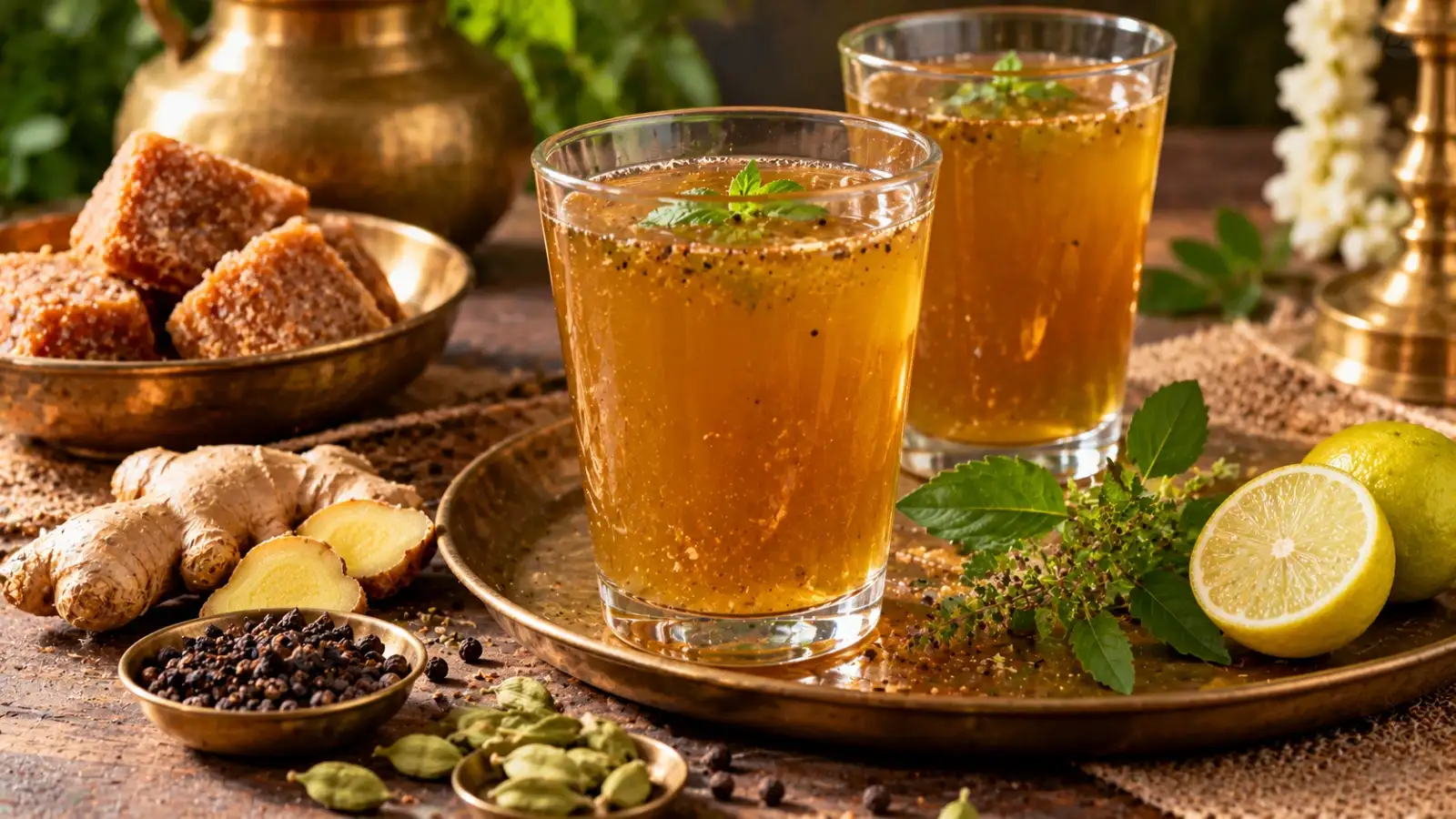
Unlike many modern summer drinks , panakam does not require cooking or complicated equipment. The ingredients are mixed together, strained if necessary and served chilled or at room temperature. Whether prepared for a festival, a family gathering or a warm afternoon, this traditional drink offers a delicious way to enjoy familiar Indian flavours.
The drink is closely associated with Sri Rama Navami, when it is traditionally prepared as an offering and distributed as prasad in many households and temples. It is also enjoyed as a homemade refreshment during warmer months.
Recipes vary between families and regions. Some use fresh ginger, while others prefer dried ginger powder, which gives the drink a more concentrated, warming aroma.
Cooking time: None
Servings: 3 to 4 glasses
If the jaggery contains visible impurities, strain the mixture through a fine sieve before adding the remaining ingredients. This helps create a smoother drink.
Start with a small quantity if you prefer a mild drink. You can always add a little more after tasting.
Cardamom adds a sweet, floral aroma, while black pepper provides a gentle heat that balances the sweetness.
Taste the drink and adjust the ingredients as needed. Add more water if it is too sweet or a little more lemon juice if you prefer a sharper flavour.
Serve the panakam at room temperature or refrigerate it briefly for a chilled version. Stir before pouring because some of the spices may settle at the bottom.
Using jaggery without checking for impurities can also affect the texture. Straining the dissolved jaggery helps remove unwanted particles.
Another mistake is making the drink excessively sweet without balancing it with lemon juice and spices. Panakam tastes best when the earthy sweetness of jaggery works alongside the citrus and gentle heat of ginger and pepper.
For a simple summer version, refrigerate the drink before serving and garnish it with a tulsi leaf if desired. Avoid adding too much ice, as melting ice can dilute the flavour.
If you are serving panakam as prasad, prepare it shortly before the occasion and use clean utensils and drinking water.
Because it contains water and fresh ingredients, avoid leaving it at room temperature for extended periods, particularly in hot weather. Refrigerate leftovers promptly and consume them within a day or two if they have been handled and stored safely. Discard the drink if its smell, appearance or taste changes unexpectedly.
Its connection with South Indian festivals also gives it cultural significance beyond its role as a beverage. The recipe can be adapted to personal taste while retaining its traditional character.
Although panakam is often described as a summer cooler, it should not be considered a treatment for dehydration or illness. It contains added sugars from jaggery, so people who need to monitor their sugar intake should take that into account.
Unlike many modern summer drinks , panakam does not require cooking or complicated equipment. The ingredients are mixed together, strained if necessary and served chilled or at room temperature. Whether prepared for a festival, a family gathering or a warm afternoon, this traditional drink offers a delicious way to enjoy familiar Indian flavours.
What Is Panakam?
Panakam, also called panagam in Tamil and panaka in some Kannada and Telugu traditions, is a traditional Indian beverage prepared primarily with jaggery and water. Ginger, cardamom, black pepper and lemon juice are commonly added to create a balanced sweet, tangy and gently spiced flavour.The drink is closely associated with Sri Rama Navami, when it is traditionally prepared as an offering and distributed as prasad in many households and temples. It is also enjoyed as a homemade refreshment during warmer months.
Recipes vary between families and regions. Some use fresh ginger, while others prefer dried ginger powder, which gives the drink a more concentrated, warming aroma.
Ingredients for Traditional Panakam
Preparation time: 10 minutesCooking time: None
Servings: 3 to 4 glasses
- 100 to 120 g jaggery, grated or powdered
- 750 ml drinking water
- 1 teaspoon freshly grated ginger or ½ teaspoon dry ginger powder
- ½ teaspoon cardamom powder, or 3 lightly crushed cardamom pods
- ½ teaspoon freshly ground black pepper, adjusted to taste
- 1 to 2 tablespoons fresh lemon juice
- 4 to 5 fresh tulsi leaves, optional
- A small pinch of salt, optional
How to Make Traditional South Indian Panakam
Step 1: Dissolve the Jaggery
Pour the drinking water into a large bowl or jug. Add the grated or powdered jaggery and stir until it dissolves.If the jaggery contains visible impurities, strain the mixture through a fine sieve before adding the remaining ingredients. This helps create a smoother drink.
Step 2: Add the Ginger
Stir in the freshly grated ginger or dry ginger powder. Fresh ginger provides a bright, slightly sharp flavour, while dry ginger creates a more pronounced warming taste.Start with a small quantity if you prefer a mild drink. You can always add a little more after tasting.
Step 3: Mix in the Spices
Add the cardamom powder and freshly ground black pepper. Stir thoroughly so the spices are distributed throughout the jaggery water.Cardamom adds a sweet, floral aroma, while black pepper provides a gentle heat that balances the sweetness.
Step 4: Add Fresh Lemon Juice
Squeeze fresh lemon juice into the mixture and stir again. The citrus flavour cuts through the richness of the jaggery and gives panakam its characteristic tanginess.Taste the drink and adjust the ingredients as needed. Add more water if it is too sweet or a little more lemon juice if you prefer a sharper flavour.
Step 5: Strain and Serve
If you have used fresh ginger or whole spices, strain the drink before serving. Add washed tulsi leaves if desired.Serve the panakam at room temperature or refrigerate it briefly for a chilled version. Stir before pouring because some of the spices may settle at the bottom.
Tips for Getting the Best Flavour
- Choose good-quality jaggery with a clean, rich flavour.
- Dissolve the jaggery completely before adding the spices.
- Use freshly squeezed lemon juice rather than bottled juice for a brighter taste.
- Add ginger gradually to prevent it from overpowering the other ingredients.
- Crush cardamom freshly when possible for a stronger aroma.
- Taste the drink before serving and adjust the sweetness with water or the tanginess with lemon juice.
- If preparing panakam as a religious offering, follow the customary ingredients and practices of your household or tradition.
Common Mistakes to Avoid
One common mistake is adding too much ginger or black pepper at the beginning. Both ingredients can dominate the drink, so it is better to start with smaller quantities and adjust after tasting.Using jaggery without checking for impurities can also affect the texture. Straining the dissolved jaggery helps remove unwanted particles.
Another mistake is making the drink excessively sweet without balancing it with lemon juice and spices. Panakam tastes best when the earthy sweetness of jaggery works alongside the citrus and gentle heat of ginger and pepper.
How to Serve Panakam
Traditional panakam can be served in small glasses during festivals, family gatherings or religious ceremonies. It pairs well with other traditional refreshments and light snacks.For a simple summer version, refrigerate the drink before serving and garnish it with a tulsi leaf if desired. Avoid adding too much ice, as melting ice can dilute the flavour.
You may also like
- If you also watch videos or reels on your mobile while on a train, be careful—you could now face a hefty fine..
- Good news ahead of Diwali: Major changes coming to railway ticket booking..
- “I was denied entry to a temple for wearing shorts”: Meet Nehaa Bhatt, who lost a leg in a bus accident in 2021 but rebuilt her life with Ampu-Tea, dances Garba and takes on Himalayan pilgrimages with a prosthetic leg
- Dr. Surakasi Raviteja: The professor who completed 16 NPTEL courses while teaching full-time and is still learning eight more, proving that education need not end at graduation
- Can You Drive During Pregnancy? Safety Tips for Every Trimester
If you are serving panakam as prasad, prepare it shortly before the occasion and use clean utensils and drinking water.
How to Store Homemade Panakam
Freshly prepared panakam is best enjoyed on the day it is made. If you need to prepare it in advance, store it in a clean, covered container in the refrigerator.Because it contains water and fresh ingredients, avoid leaving it at room temperature for extended periods, particularly in hot weather. Refrigerate leftovers promptly and consume them within a day or two if they have been handled and stored safely. Discard the drink if its smell, appearance or taste changes unexpectedly.
Why This Traditional Drink Remains Popular
Panakam continues to be enjoyed because it combines familiar ingredients in a simple preparation. Jaggery provides sweetness, ginger and black pepper add warmth, cardamom contributes fragrance, and lemon juice gives the drink a refreshing finish.Its connection with South Indian festivals also gives it cultural significance beyond its role as a beverage. The recipe can be adapted to personal taste while retaining its traditional character.
Although panakam is often described as a summer cooler, it should not be considered a treatment for dehydration or illness. It contains added sugars from jaggery, so people who need to monitor their sugar intake should take that into account.






Loving Newspoint? Download the app now
