
Declutter One Drawer a Day and Watch the Whole House Change

Most decluttering advice begins with a vision: every cupboard open, every surface cleared, a fresh start by Sunday evening. What it leaves out is what happens around hour four, when you are sitting in the middle of a floor covered in things you cannot decide about, and the room looks worse than when you began. That moment is where most home-clearing projects end, not with a clean house, but with everything shoved back in and the door shut.The one-drawer-a-day approach works because it never creates that moment.
Why Small Containers Change the Math
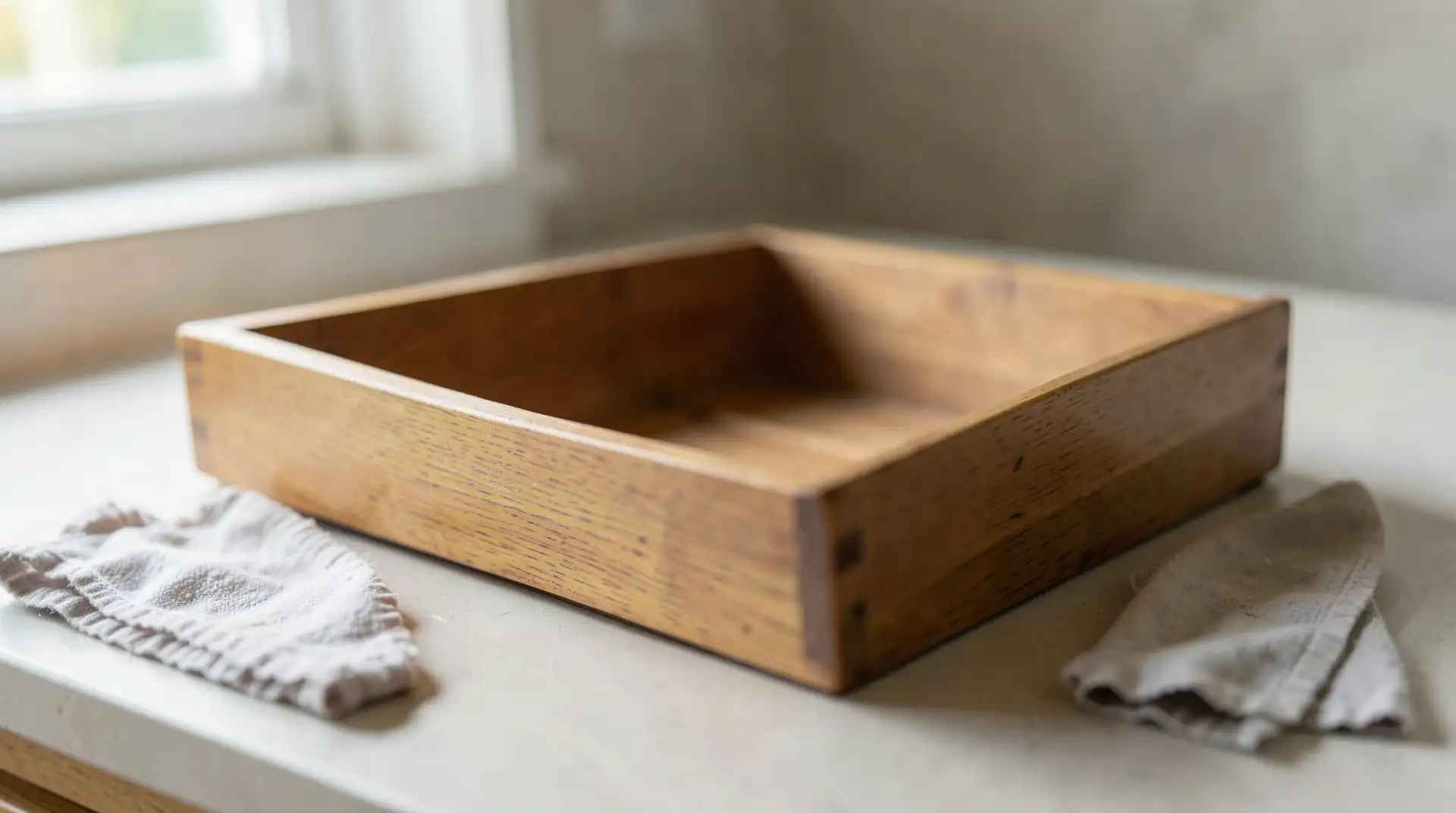
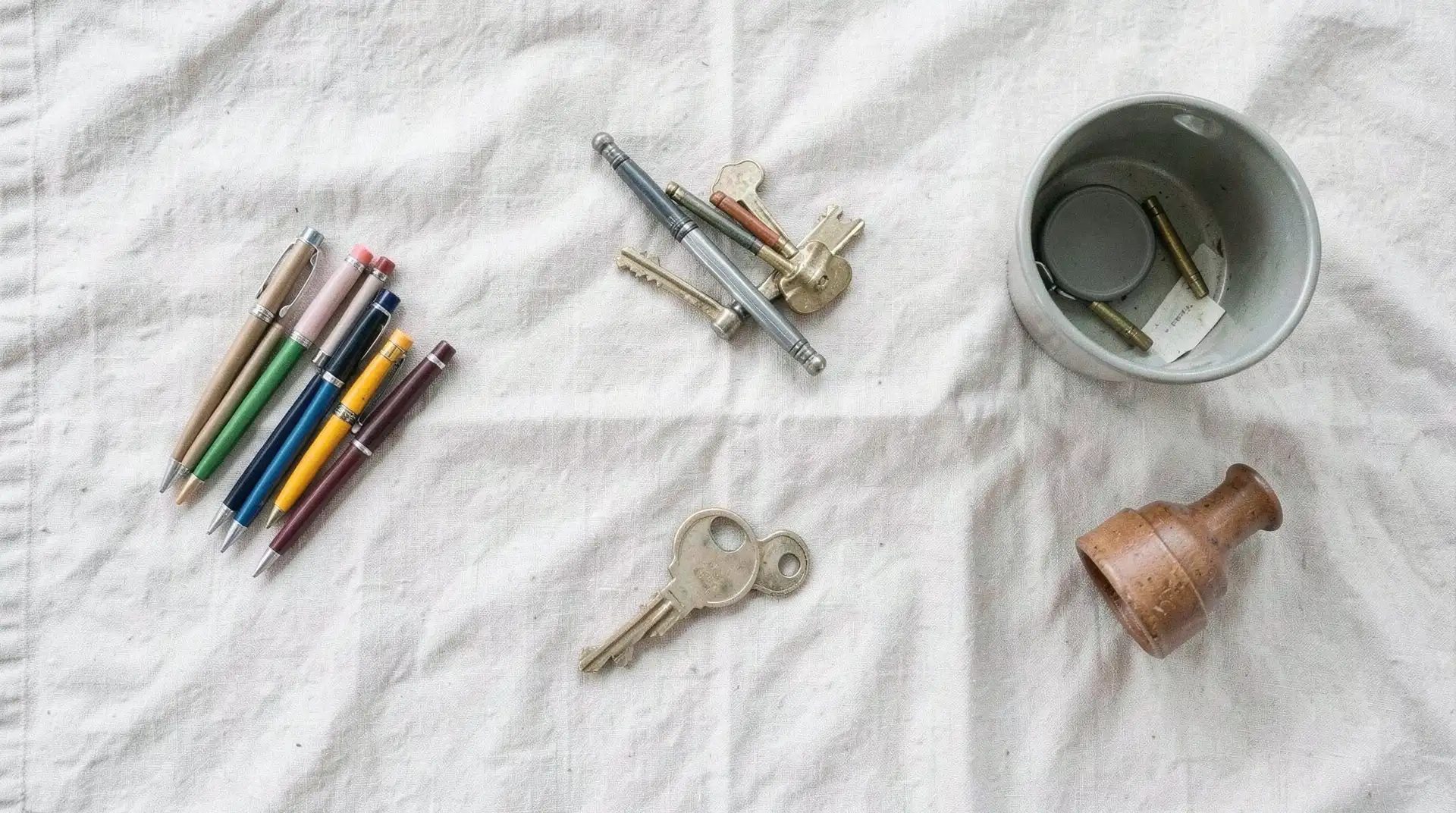
A drawer has edges. Whatever is inside it is the whole problem, and the whole problem fits in your hands. You do not need to decide what the living room means to you or whether you are a person who keeps sentimental objects. You need to decide whether you still use a pen that dried out two years ago.When the scope is that small, the decisions stop feeling like decisions. They become obvious. The expired coupon goes. The spare key you cannot identify stays, but moves somewhere you will actually check. The battery tester you forgot you owned either gets a home or gets donated. Ten minutes later the drawer closes cleanly, and that is the whole task.The psychological shift is real. A completed small task gives the brain a concrete signal that the project is moving. That signal makes the next session easier to start, because you already know what finishing feels like.How to Run the Ten-Minute Session
Pull the drawer fully out and set it on a flat surface. Take everything out. This is not optional, sorting around objects that are still in the drawer means you are working around the problem, not through it.With the drawer empty, wipe it down. That thirty seconds matters because it marks a before and an after inside your own head.Now sort into three groups, not five. Keep, relocate, and let go. Keep means it lives in this drawer and you use it. Relocate means it belongs somewhere else in the house and you will put it there before the session ends, not later. Let go means the bin or the donation box.Do not create a maybe pile. A maybe pile is a drawer with no edges. If you are genuinely uncertain, ask one question: have you looked for this in the last year? If no, let it go. If yes, it stays.Put the keep items back with the things you reach for most at the front. Close the drawer. Done.Choosing the Order
Start with the drawer you find most irritating, not the easiest one. The easiest one gives you a clean drawer. The most irritating one gives you a small daily relief that you notice every time you open it, which makes the habit easier to sustain.After that first win, move through the house in a loose sequence rather than a strict one. Kitchen junk drawer, bathroom cabinet shelf, bedside table, desk, wardrobe shelf, entryway tray. The sequence does not need to be perfect. What it needs is a next target, decided before you finish today's session, so tomorrow morning requires no planning, only action.If a day gets skipped, the method does not collapse. One missed drawer means one missed drawer, not a failed project. Pick up where you left off.What Happens After the First Week
By the end of a week, seven spaces in the house are cleaner than they were. That is a material change, even if the living room still looks the same. By the end of a month, the cumulative effect becomes visible in a way that one large weekend session rarely produces, because the one-day session tends to redistribute rather than resolve.Something else shifts too. The habit of asking whether something earns its space starts to apply before things enter the drawer, not only when you are clearing it. That is the longer return on the method, not just a tidier house, but a different reflex about what comes in.A drawer a day is not a cleaning philosophy. It is a way of making the decision small enough that you actually make it.Next Story