
Transform Your Lucky Bamboos With These Pro Tips

Lucky bamboo , a popular houseplant known for its ornamental appeal and symbolism of good fortune, is a delightful addition to any indoor space. With its slender stems and lush foliage, lucky bamboo (Dracaena sanderiana) effortlessly brings a touch of nature's elegance into homes, offices, and other indoor environments. However, maintaining its signature thick and lush appearance requires a bit of care and attention. If you're looking to keep your lucky bamboo vibrant and healthy, here are 10 essential tips to ensure its optimal growth: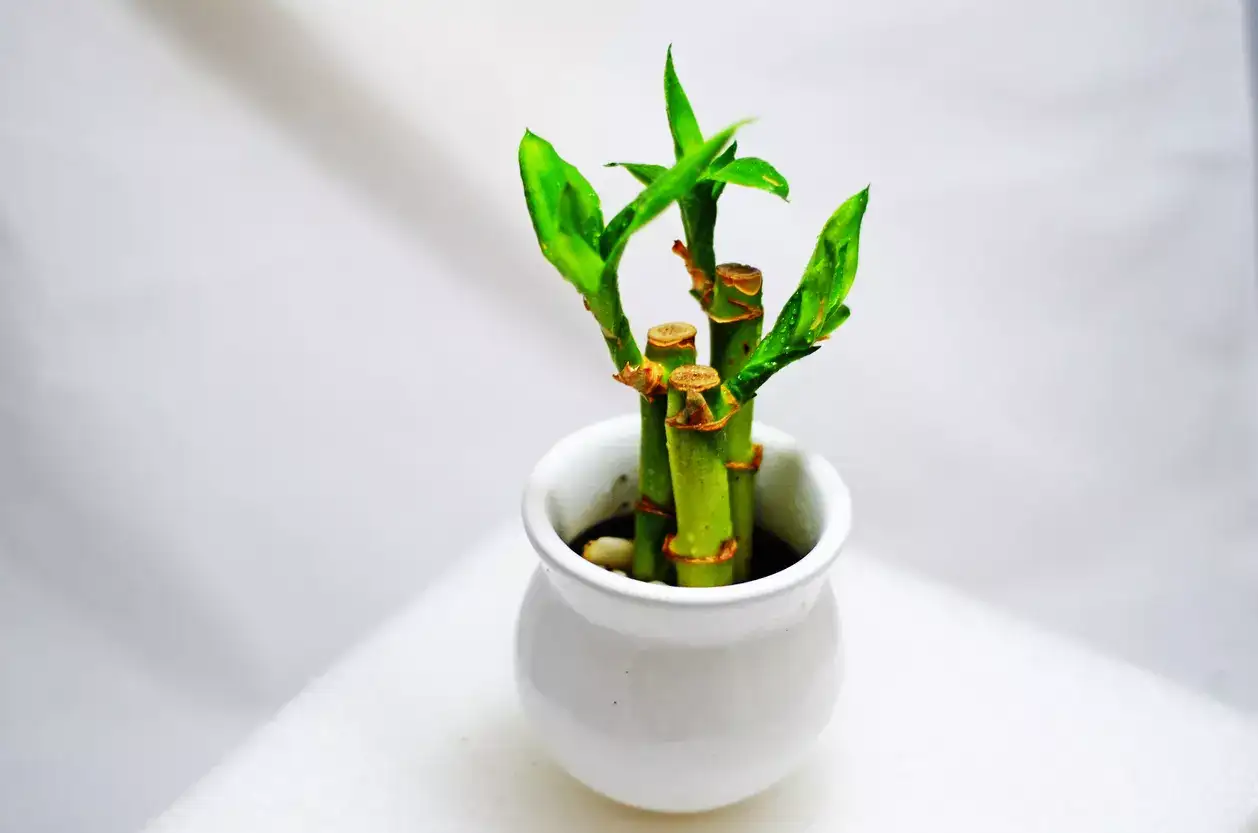
1. Light Matters: Lucky bamboo thrives in bright, indirect light. Place your plant near a window where it can receive plenty of natural light without being exposed to direct sunlight, which can scorch its leaves.
2. Mindful Watering: Keep the roots of your lucky bamboo consistently moist, but not waterlogged. Use filtered or distilled water to prevent the build-up of salts and chemicals, which can harm the plant.
3. Quality Soil: Use a well-draining, peat-based potting mix to provide optimal growing conditions for your lucky bamboo. Avoid soils that retain too much water, as this can lead to root rot.
4. Temperature Control: Lucky bamboo thrives in temperatures between 65°F to 90°F (18°C to 32°C). Keep your plant away from drafts and sudden temperature fluctuations, which can stress the plant.
5. Humidity Boost: Increase humidity levels around your lucky bamboo by misting its leaves regularly or placing a humidity tray filled with water and pebbles beneath the plant.
6. Pruning Prudently: Trim yellowing or damaged leaves and stems to encourage new growth and maintain the plant's aesthetic appeal. Use clean, sharp scissors to prevent the risk of infection.
7. Fertilize Sparingly: Lucky bamboo is not a heavy feeder, so fertilize it sparingly. Use a balanced liquid fertilizer diluted to half-strength and apply it once a month during the growing season (spring and summer).
8. Repot Wisely: Repot your lucky bamboo every two years or when it outgrows its container. Choose a slightly larger pot with fresh soil, and gently tease apart the roots before transplanting.
9. Prevent Pest Infestations: Keep an eye out for common pests like spider mites, mealybugs, and scale insects, and address any infestations promptly using insecticidal soap or neem oil.
10. Maintain Good Luck : In addition to its aesthetic appeal, lucky bamboo is believed to bring good luck and positive energy according to Feng Shui principles. Place your plant in the east or southeast corner of your home or workspace to maximize its auspicious qualities.
1. Light Matters: Lucky bamboo thrives in bright, indirect light. Place your plant near a window where it can receive plenty of natural light without being exposed to direct sunlight, which can scorch its leaves.
2. Mindful Watering: Keep the roots of your lucky bamboo consistently moist, but not waterlogged. Use filtered or distilled water to prevent the build-up of salts and chemicals, which can harm the plant.
3. Quality Soil: Use a well-draining, peat-based potting mix to provide optimal growing conditions for your lucky bamboo. Avoid soils that retain too much water, as this can lead to root rot.
4. Temperature Control: Lucky bamboo thrives in temperatures between 65°F to 90°F (18°C to 32°C). Keep your plant away from drafts and sudden temperature fluctuations, which can stress the plant.
You may also like
- Masaba Gupta just made her bridal couture debut with Chardi Kala
- 7 Ways to keep flies and insects out of your home this monsoon
- Luxury's sneaker obsession
- Why luxury fashion is investing in fitness
- How used tea leaves can help some plants thrive: Simple step-by-step guide to use strained tea leaves as manure
5. Humidity Boost: Increase humidity levels around your lucky bamboo by misting its leaves regularly or placing a humidity tray filled with water and pebbles beneath the plant.
6. Pruning Prudently: Trim yellowing or damaged leaves and stems to encourage new growth and maintain the plant's aesthetic appeal. Use clean, sharp scissors to prevent the risk of infection.
7. Fertilize Sparingly: Lucky bamboo is not a heavy feeder, so fertilize it sparingly. Use a balanced liquid fertilizer diluted to half-strength and apply it once a month during the growing season (spring and summer).
8. Repot Wisely: Repot your lucky bamboo every two years or when it outgrows its container. Choose a slightly larger pot with fresh soil, and gently tease apart the roots before transplanting.
9. Prevent Pest Infestations: Keep an eye out for common pests like spider mites, mealybugs, and scale insects, and address any infestations promptly using insecticidal soap or neem oil.
10. Maintain Good Luck : In addition to its aesthetic appeal, lucky bamboo is believed to bring good luck and positive energy according to Feng Shui principles. Place your plant in the east or southeast corner of your home or workspace to maximize its auspicious qualities.






Loving Newspoint? Download the app now
