
Seven Everyday Indian Ingredients That Can Transform Vegetarian Meals

Vegetarian cooking does not have to mean complicated recipes or long lists of ingredients. Sometimes, one small addition can completely change the taste of a familiar dish.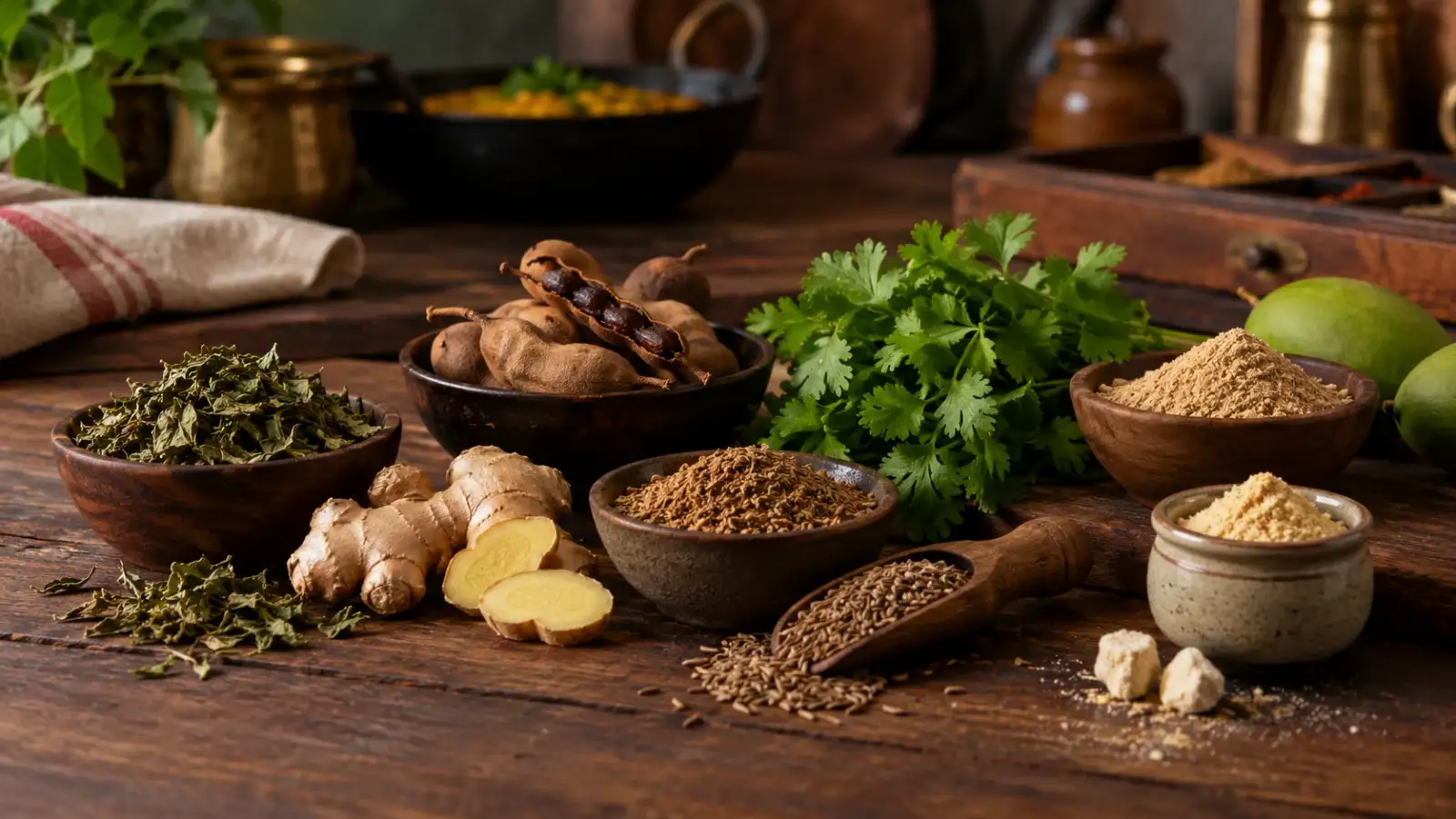
Indian kitchens already have plenty of ingredients that can do exactly that. A pinch of hing in dal, roasted cumin over raita or a little amchur in a vegetable dish can add a surprising amount of flavour.
The best part is that many of these ingredients can be used across different kinds of meals, from dals and curries to rice, snacks and simple vegetables.
Here are seven Indian ingredients worth keeping within easy reach.
Crumble a small amount between your palms before adding it to dishes. This helps release its aroma.
It works particularly well in creamy vegetable curries, dal, paneer dishes, pulao and even simple potato preparations.
Because its flavour is quite concentrated, you usually need only a small amount.
It is commonly used in South Indian cooking, but there is no reason to limit it to regional recipes. A little tamarind pulp can work in lentil dishes, vegetable curries, chutneys and sauces.
It is particularly useful when a dish tastes flat and needs a little acidity.
Add it gradually because too much can easily overpower the other flavours.
Grated or finely chopped ginger can be added to dals, vegetable curries, soups, stir fried vegetables and rice dishes.
It also works well with garlic, green chilli and cumin when you want to create a flavourful base for a curry.
For a lighter flavour, add ginger towards the end of cooking. For a deeper flavour, cook it with your onions and other aromatics at the beginning.
Roast whole cumin seeds in a dry pan, allow them to cool and grind them into a powder. Keep a small jar ready for quick use.
Sprinkle roasted cumin over raita, chaas, salads, chaat, roasted vegetables or dal.
It is particularly useful when you want to add flavour without making a dish significantly hotter.
It can instantly lift dishes that feel too heavy or bland.
Try it in potato sabzi, chickpeas, lentils, roasted vegetables and snacks. It can also be used in spice mixes and chutneys.
Add a small amount towards the end of cooking and adjust according to taste.
A handful of chopped coriander can add freshness to dal, curries, pulao, poha, vegetable dishes and soups.
It can also be blended into chutney with ingredients such as green chilli, lemon and ginger.
For the best flavour, add fresh coriander near the end of cooking rather than cooking it for a long time.
It is particularly useful in dal, beans, potatoes and vegetable preparations. A small pinch added to hot oil along with cumin or other tempering ingredients can create a distinctive aroma.
Hing is especially useful in dishes where you want a savoury depth without adding extra chilli.
Use it sparingly because too much can quickly dominate the dish.
Think of them as different tools for different flavour problems.
If a dish tastes flat, try adding a little tamarind or amchur. If it needs warmth, ginger can help. For aroma, try kasuri methi or roasted cumin. If you want a fresh finish, add coriander.
For dal, a simple tempering with cumin, hing and ginger can make a noticeable difference. A vegetable curry can benefit from amchur or tamarind, while roasted cumin and fresh coriander can work beautifully as finishing touches.
You do not always need a new recipe to make dinner more interesting. Sometimes, adding the right flavour at the right stage is enough.
Keeping a few versatile ingredients in your kitchen can make everyday vegetarian cooking easier, more varied and much more enjoyable.
Indian kitchens already have plenty of ingredients that can do exactly that. A pinch of hing in dal, roasted cumin over raita or a little amchur in a vegetable dish can add a surprising amount of flavour.
The best part is that many of these ingredients can be used across different kinds of meals, from dals and curries to rice, snacks and simple vegetables.
Here are seven Indian ingredients worth keeping within easy reach.
Kasuri Methi
Kasuri methi, or dried fenugreek leaves, is an easy way to add an earthy and aromatic note to food.Crumble a small amount between your palms before adding it to dishes. This helps release its aroma.
It works particularly well in creamy vegetable curries, dal, paneer dishes, pulao and even simple potato preparations.
Because its flavour is quite concentrated, you usually need only a small amount.
Tamarind
Tamarind brings a distinctive sourness that can make a dish taste brighter and more balanced.It is commonly used in South Indian cooking, but there is no reason to limit it to regional recipes. A little tamarind pulp can work in lentil dishes, vegetable curries, chutneys and sauces.
It is particularly useful when a dish tastes flat and needs a little acidity.
Add it gradually because too much can easily overpower the other flavours.
Fresh Ginger
Fresh ginger is one of the easiest ways to add warmth and freshness to vegetarian food.Grated or finely chopped ginger can be added to dals, vegetable curries, soups, stir fried vegetables and rice dishes.
It also works well with garlic, green chilli and cumin when you want to create a flavourful base for a curry.
For a lighter flavour, add ginger towards the end of cooking. For a deeper flavour, cook it with your onions and other aromatics at the beginning.
Roasted Cumin
Cumin already plays an important role in Indian cooking, but roasting it gives it a deeper and nuttier aroma.Roast whole cumin seeds in a dry pan, allow them to cool and grind them into a powder. Keep a small jar ready for quick use.
Sprinkle roasted cumin over raita, chaas, salads, chaat, roasted vegetables or dal.
It is particularly useful when you want to add flavour without making a dish significantly hotter.
Amchur Powder
Amchur powder is made from dried raw mango and provides a sharp, fruity sourness.It can instantly lift dishes that feel too heavy or bland.
Try it in potato sabzi, chickpeas, lentils, roasted vegetables and snacks. It can also be used in spice mixes and chutneys.
Add a small amount towards the end of cooking and adjust according to taste.
Fresh Coriander
Fresh coriander may seem ordinary, but it can completely change the finishing flavour of a dish.A handful of chopped coriander can add freshness to dal, curries, pulao, poha, vegetable dishes and soups.
It can also be blended into chutney with ingredients such as green chilli, lemon and ginger.
For the best flavour, add fresh coriander near the end of cooking rather than cooking it for a long time.
Hing
Hing, or asafoetida, is used in very small quantities but can have a noticeable effect on a dish.You may also like
- 2021: Indonesian boy named 'ABCDEF GHIJK' went viral at COVID vaccination drive; the unusual reason behind his parents' choice
- 5 Anti-Ageing Drinks You Can Make at Home
- 6 “Unhealthy” Foods That Are Actually Good for You
- Dwayne Johnson, the 'Rock,' bought his 46-acre 'esquerian' Georgia state home for $9.49 million to spend time with family; later sold it at a loss of over $3 million after several listings
- 10 Must Try Home Remedies To Treat Soft Nails
It is particularly useful in dal, beans, potatoes and vegetable preparations. A small pinch added to hot oil along with cumin or other tempering ingredients can create a distinctive aroma.
Hing is especially useful in dishes where you want a savoury depth without adding extra chilli.
Use it sparingly because too much can quickly dominate the dish.
How to Use These Ingredients Together
You do not need to use all seven ingredients in one recipe.Think of them as different tools for different flavour problems.
If a dish tastes flat, try adding a little tamarind or amchur. If it needs warmth, ginger can help. For aroma, try kasuri methi or roasted cumin. If you want a fresh finish, add coriander.
For dal, a simple tempering with cumin, hing and ginger can make a noticeable difference. A vegetable curry can benefit from amchur or tamarind, while roasted cumin and fresh coriander can work beautifully as finishing touches.
Small Changes Can Make Everyday Food Better
One of the pleasures of Indian cooking is that the same basic ingredients can produce completely different results depending on how they are combined.You do not always need a new recipe to make dinner more interesting. Sometimes, adding the right flavour at the right stage is enough.
Keeping a few versatile ingredients in your kitchen can make everyday vegetarian cooking easier, more varied and much more enjoyable.






Loving Newspoint? Download the app now
