
How to Travel Across India on a Budget Without Missing the Best Experiences

Travelling across India on a budget is easier than many people imagine. With an extensive railway network, affordable public transport, budget accommodation and countless inexpensive local eateries, India remains one of the world's best destinations for cost-conscious travellers. Whether you are planning a solo backpacking adventure, a family holiday or a long-term journey across multiple states, smart planning can help you enjoy memorable experiences without overspending. Budget travel is not about compromising on quality. Instead, it is about making informed choices, embracing local culture and discovering places beyond the typical tourist trail. With the right approach, you can explore India's incredible diversity while keeping your expenses comfortably under control.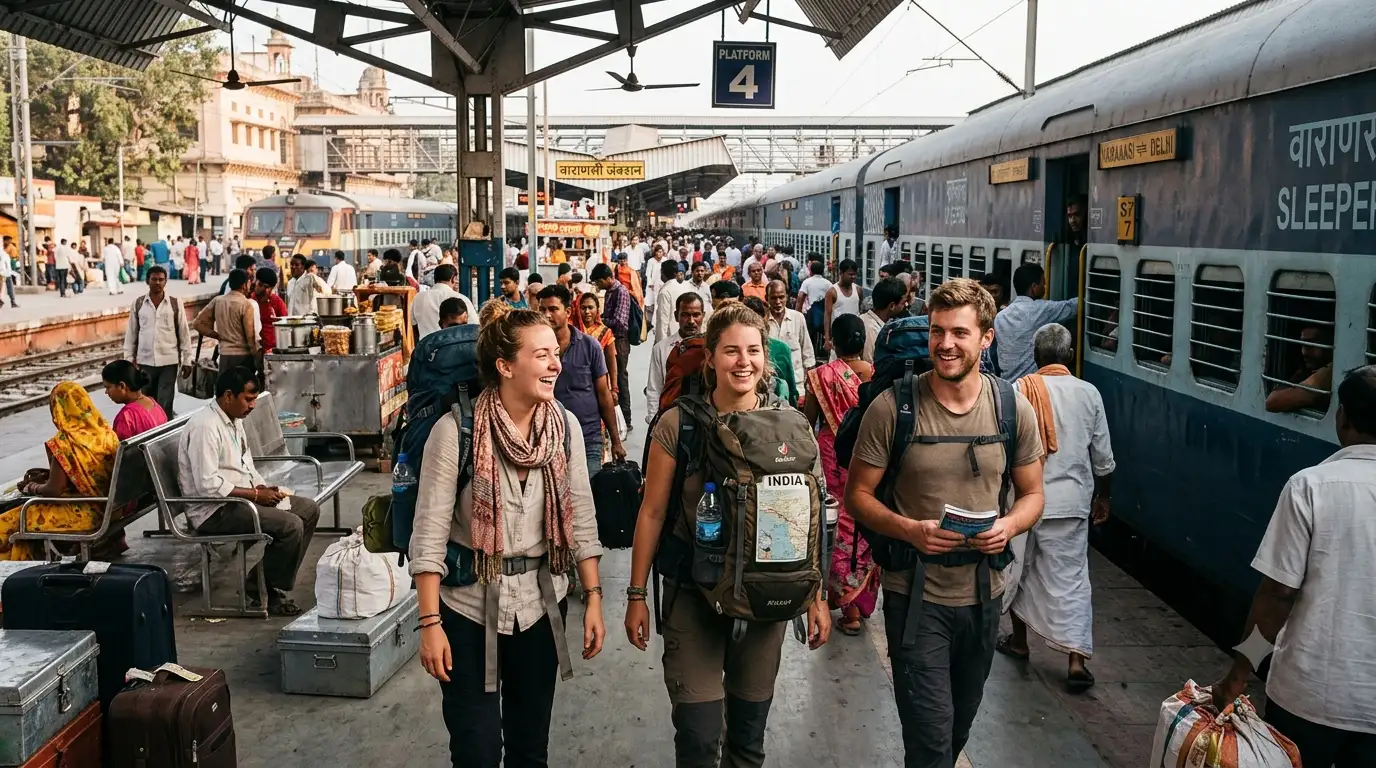
Researching destinations before travelling also helps you identify affordable accommodation, public transport options and local attractions. A well-planned itinerary reduces unnecessary travel and allows you to make the most of your budget.
Within cities, metro systems, public buses and shared auto-rickshaws are often much cheaper than taxis. Walking through heritage districts and local markets is another excellent way to save money while experiencing the destination more closely.
Homestays are particularly rewarding because they often allow travellers to experience regional cuisine, local traditions and personalised hospitality that larger hotels cannot offer.
Every region has its own culinary specialities, from dosa in South India to litti chokha in Bihar and poha in Madhya Pradesh. Exploring local food is not only economical but also an important part of understanding India's cultural diversity.
Popular attractions are also less crowded, allowing visitors to enjoy a more relaxed travel experience.
Many museums, temples and heritage sites also offer affordable admission, making cultural exploration accessible to almost every traveller.
A small first-aid kit and copies of important travel documents can also prevent unexpected expenses.
Many state tourism departments also operate economical sightseeing buses that cover several attractions in a single day, offering excellent value for visitors who want to explore efficiently.
It also makes travel accessible to students, young professionals and families who may otherwise postpone exploring the country because of financial concerns.
Plan Your Journey in Advance
One of the easiest ways to reduce travel costs is by planning ahead. Booking train tickets several weeks in advance often provides better availability and lower fares, particularly on popular routes.Researching destinations before travelling also helps you identify affordable accommodation, public transport options and local attractions. A well-planned itinerary reduces unnecessary travel and allows you to make the most of your budget.
Choose Trains and Public Transport
India's railway network is one of the largest in the world and remains the most economical way to travel between cities. Sleeper Class and Third AC coaches offer comfortable options for long-distance journeys at reasonable prices.Within cities, metro systems, public buses and shared auto-rickshaws are often much cheaper than taxis. Walking through heritage districts and local markets is another excellent way to save money while experiencing the destination more closely.
Stay in Budget Accommodation
Affordable accommodation is widely available across India. Budget hotels, hostels, guesthouses and family-run homestays provide clean and comfortable places to stay without high costs.Homestays are particularly rewarding because they often allow travellers to experience regional cuisine, local traditions and personalised hospitality that larger hotels cannot offer.
Eat Where the Locals Eat
Food can become a major travel expense, but India offers countless affordable dining options. Local restaurants, traditional cafés and street food markets often serve fresh, authentic meals at a fraction of the price charged by tourist-focused establishments.Every region has its own culinary specialities, from dosa in South India to litti chokha in Bihar and poha in Madhya Pradesh. Exploring local food is not only economical but also an important part of understanding India's cultural diversity.
You may also like
- Top 8 Mehendi Designs to Embrace This Monsoon Season
- Mirabai Chanu, a tea seller's daughter, who carried firewood on her head through forest trails, has today won first gold for India at the Commonwealth Games: The inspiring story of a girl whose first barbell was a bamboo stick
- KYC rules will change from August 1! CKYC 2.0 is coming, accounts will be opened without documents..
- Friendship Day Weekend Escapes: 5 Monsoon Getaways Near Mumbai to Make Memories With Your Gang
- New Corona cases raise concerns; Covid beds ready in hospitals—what is the situation in Delhi-NCR?
Travel During the Off-Season
Travelling outside peak holiday periods can significantly reduce accommodation and transport costs. Many destinations offer discounted hotel rates during the monsoon or shoulder seasons while remaining equally enjoyable.Popular attractions are also less crowded, allowing visitors to enjoy a more relaxed travel experience.
Visit Free and Low-Cost Attractions
Some of India's most memorable experiences cost very little. Watching the sunrise over the Ganges in Varanasi, exploring local markets, walking through historic neighbourhoods or visiting public beaches often creates lasting memories without expensive entry fees.Many museums, temples and heritage sites also offer affordable admission, making cultural exploration accessible to almost every traveller.
Pack Wisely to Avoid Extra Costs
Packing light helps travellers avoid excess baggage charges and makes moving between destinations much easier. Carrying essentials such as a reusable water bottle, power bank, medicines and weather-appropriate clothing reduces the need for unnecessary purchases during the journey.A small first-aid kit and copies of important travel documents can also prevent unexpected expenses.
Lesser-Known Facts About Budget Travel in India
India has more than 68,000 kilometres of railway tracks, connecting major cities with remote towns and making affordable long-distance travel possible across much of the country.Many state tourism departments also operate economical sightseeing buses that cover several attractions in a single day, offering excellent value for visitors who want to explore efficiently.
Why Budget Travel Matters Today
Budget travel encourages people to experience India more deeply rather than simply visiting famous landmarks. Spending time in local communities, supporting family-run businesses and choosing sustainable transport options benefits regional economies while promoting responsible tourism.It also makes travel accessible to students, young professionals and families who may otherwise postpone exploring the country because of financial concerns.






Loving Newspoint? Download the app now
