
Travelling With Your Dog? Essential Safety Tips Every Pet Parent Should Know

Travelling with your dog can turn an ordinary holiday into a memorable experience, but taking a pet on the road requires more preparation than simply packing a lead and some food. Changes in surroundings, long journeys, unfamiliar noises and disrupted routines can make dogs anxious or uncomfortable. Before setting off, pet parents should consider the length and type of journey, their dog’s temperament and the facilities available at the destination. According to experts, careful preparation is one of the simplest ways to reduce travel-related stress and avoid preventable problems.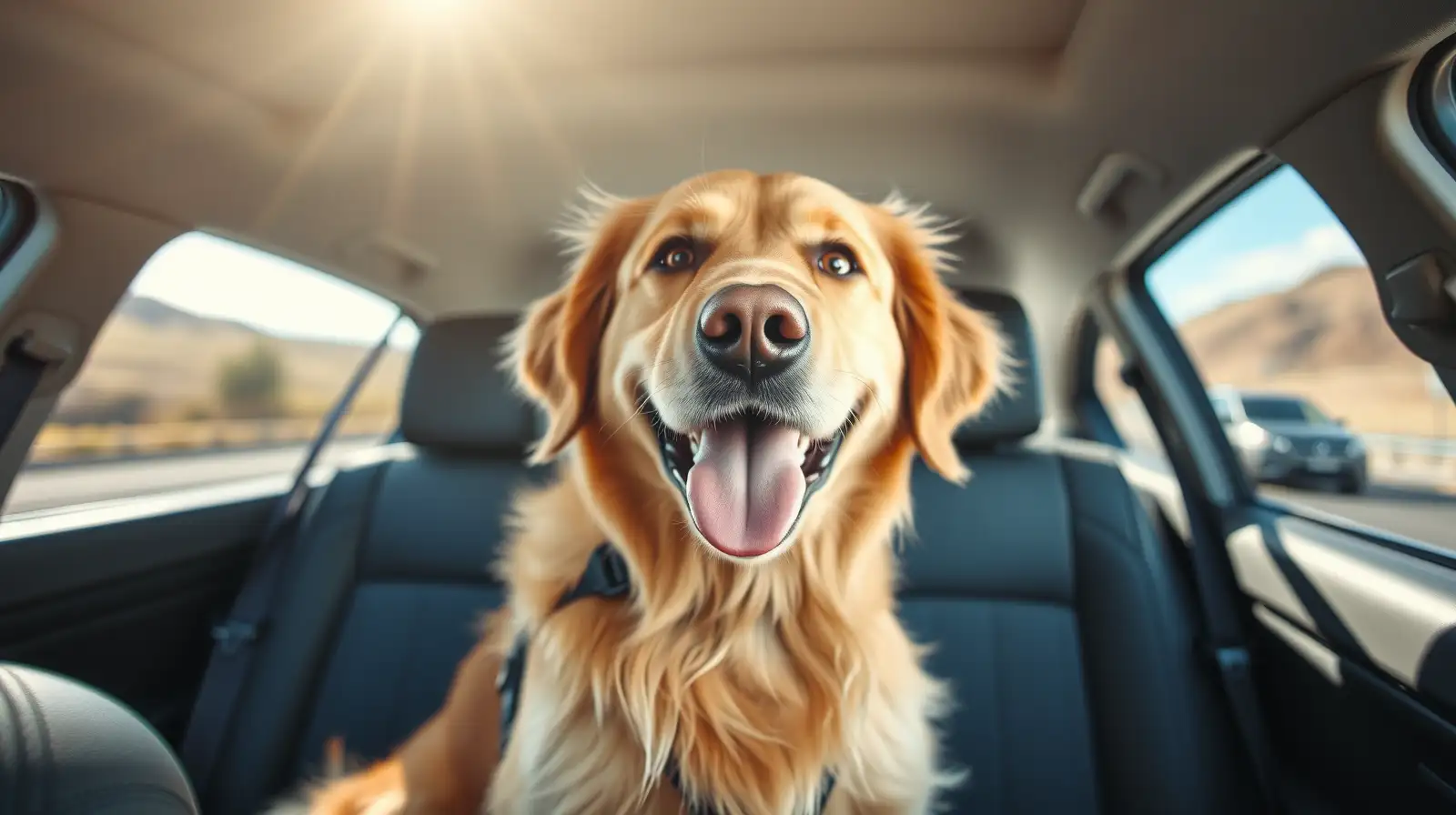
Never leave your dog alone inside a parked car, particularly in warm weather. Temperatures inside vehicles can rise rapidly, creating a potentially life-threatening situation even when the windows are slightly open.
If travelling by train, bus or air, check the carrier’s current pet rules well in advance. Requirements can vary depending on the operator, route and type of animal.
Maintaining your dog’s normal feeding routine where possible may also help minimise stomach upset. Pet travel tips from veterinary professionals commonly emphasise avoiding sudden dietary changes during a journey.
It is also sensible to keep recent vaccination and veterinary records accessible, particularly when travelling across borders or staying somewhere that requires documentation.
Industry watchers in pet care also note that familiar items, predictable routines and calm handling can help some dogs adjust to unfamiliar environments. Watch for signs of stress such as excessive panting, drooling, whining, trembling or unusual restlessness.
With thoughtful preparation, travelling with pets can be safer and far less stressful. The goal is not to eliminate every change to your dog’s routine, but to make the journey predictable, secure and comfortable wherever possible.
Keep Your Dog Secure During Travel
One of the most important aspects of dog travel safety is ensuring your pet is properly secured. During a car journey, dogs should not be allowed to move freely around the vehicle, as sudden braking can cause serious injury. A suitable crash-tested harness attached to a seat belt or a secure travel crate can provide better protection.Never leave your dog alone inside a parked car, particularly in warm weather. Temperatures inside vehicles can rise rapidly, creating a potentially life-threatening situation even when the windows are slightly open.
If travelling by train, bus or air, check the carrier’s current pet rules well in advance. Requirements can vary depending on the operator, route and type of animal.
Pack The Right Essentials
A well-prepared travel bag can make the journey much easier. Carry enough fresh water, your dog’s usual food, medicines if prescribed, waste bags, a lead, collar or harness, identification details and familiar bedding or a toy.Maintaining your dog’s normal feeding routine where possible may also help minimise stomach upset. Pet travel tips from veterinary professionals commonly emphasise avoiding sudden dietary changes during a journey.
It is also sensible to keep recent vaccination and veterinary records accessible, particularly when travelling across borders or staying somewhere that requires documentation.
Plan Regular Breaks
Long journeys should include regular opportunities for your dog to stretch, drink water and relieve itself. Keep your dog on a lead whenever you stop in an unfamiliar location, even if it normally responds reliably to commands.Industry watchers in pet care also note that familiar items, predictable routines and calm handling can help some dogs adjust to unfamiliar environments. Watch for signs of stress such as excessive panting, drooling, whining, trembling or unusual restlessness.
Choose Pet-Friendly Accommodation Carefully
Before booking, confirm that the accommodation genuinely accepts dogs and check any restrictions on size, breed or the number of pets. Look for practical details such as nearby walking areas and rules about leaving dogs unattended.With thoughtful preparation, travelling with pets can be safer and far less stressful. The goal is not to eliminate every change to your dog’s routine, but to make the journey predictable, secure and comfortable wherever possible.
Next Story