
Trick Or Treat? The Impact Of Artificial Sweeteners On Your Brain And Overall Health

Artificial sweeteners have become a common alternative to sugar in beverages, desserts and many packaged foods. Popular among people looking to reduce calorie intake or manage blood sugar levels, these sugar substitutes offer sweetness without the added calories of regular sugar. However, scientists continue to investigate how artificial sweeteners interact with the brain and whether they influence appetite, cravings or eating behaviour over time. Although many approved sweeteners are considered safe within recommended intake limits, emerging research suggests their effects on brain function and food preferences may be more complex than once believed.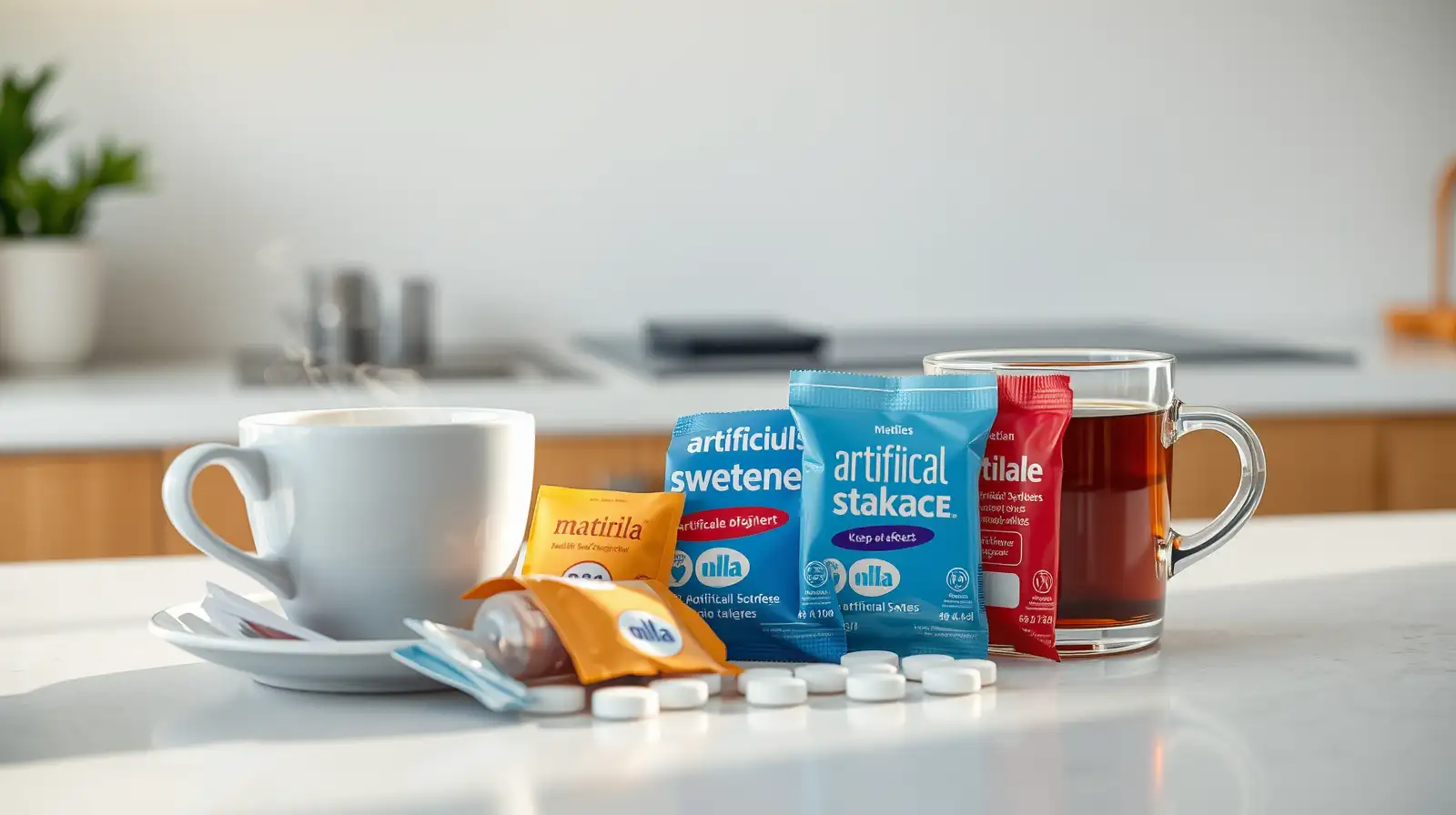
Researchers are exploring whether this difference affects how the brain processes hunger, reward and satisfaction, although findings remain mixed and no single conclusion has been reached.
The response appears to vary depending on factors such as dietary habits, the type of sweetener consumed and individual metabolism. More long-term research is needed to better understand these differences.
How Artificial Sweeteners Interact With The Brain
Artificial sweeteners activate the brain's taste receptors by providing a sweet sensation without delivering the same amount of energy as sugar. This creates a different response compared with natural sugar, which supplies calories alongside sweetness.Researchers are exploring whether this difference affects how the brain processes hunger, reward and satisfaction, although findings remain mixed and no single conclusion has been reached.
Can They Influence Appetite And Cravings?
Some studies suggest that consuming sugar substitutes may alter appetite or increase cravings for sweet foods in certain individuals. Others have found little or no significant effect on overall calorie intake.The response appears to vary depending on factors such as dietary habits, the type of sweetener consumed and individual metabolism. More long-term research is needed to better understand these differences.
Next Story