
How to Keep Your Home Dust-Free with Simple Cleaning Habits

No matter how often you clean, dust always seems to find its way back onto shelves, furniture and floors. It settles on window sills, hides beneath sofas and quietly builds up in corners that often go unnoticed. While a little dust may seem harmless, too much of it can affect indoor air quality, trigger allergies and make even a tidy home feel untidy. The good news is that keeping your home dust-free does not require expensive gadgets or hours of cleaning every day. A few simple habits and smart cleaning techniques can make a noticeable difference. Understanding where dust comes from and how to stop it from spreading is the first step towards creating a cleaner, healthier and more comfortable living space.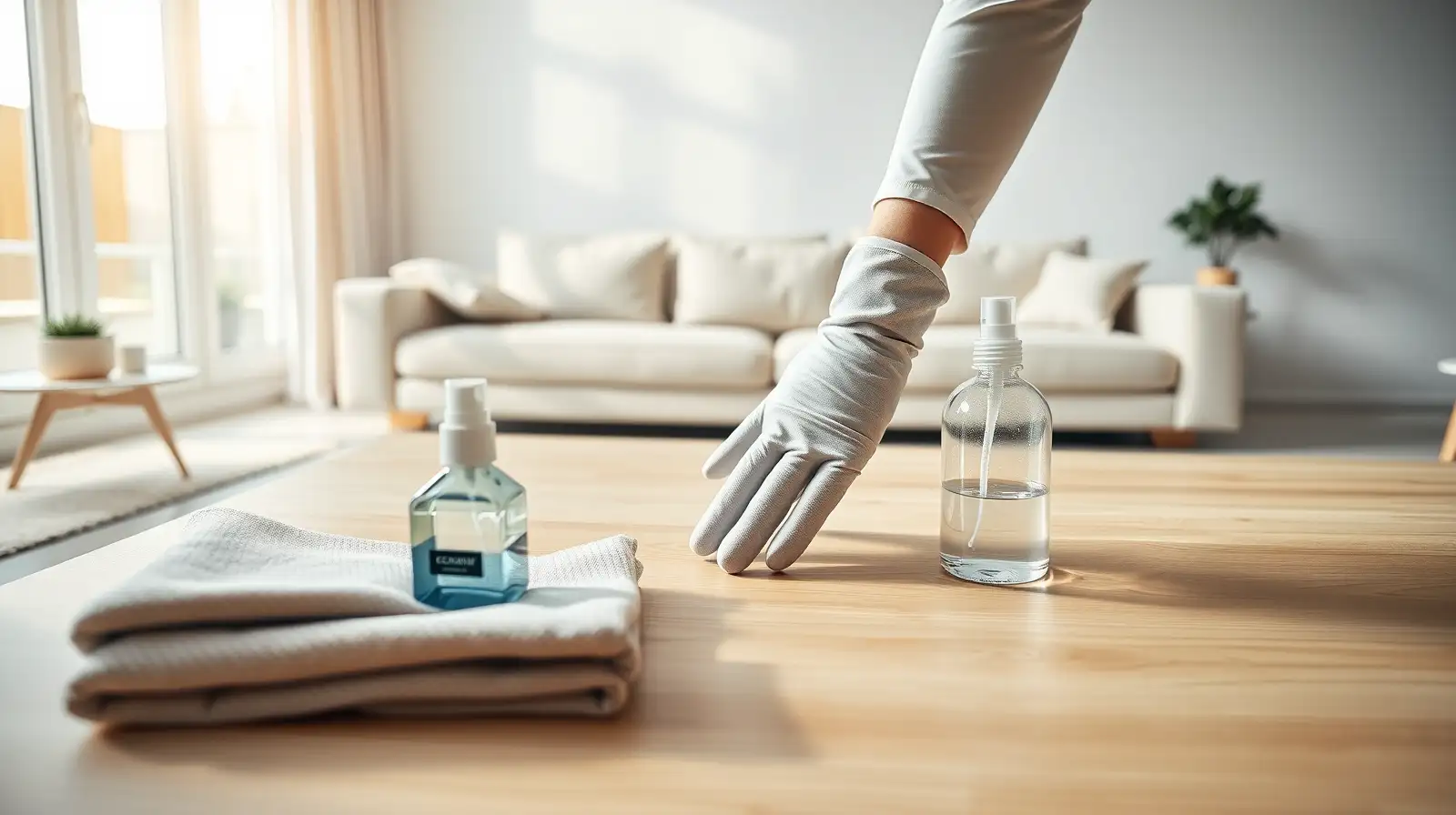
Modern homes are often well insulated, which helps with energy efficiency but also means dust can remain indoors for longer if there is poor ventilation.
Vacuum cleaners fitted with HEPA filters are also worth using, particularly if someone in the household has asthma or allergies. These filters are designed to capture very small particles that ordinary vacuums may release back into the room.
Washing bedding every week in warm water removes dust mites and skin cells that collect over time. Curtains, cushion covers and soft furnishings should also be cleaned regularly, as fabrics naturally trap dust.
Keeping clutter to a minimum is another simple way to reduce dust. Decorative items, stacks of magazines and unused belongings provide more surfaces where dust can settle.
Houseplants can also become dusty. Wiping their leaves occasionally not only keeps them looking healthy but also allows them to absorb more sunlight.
Changing air conditioning or air purifier filters according to the manufacturer's recommendations can also improve indoor air quality and reduce the circulation of dust throughout the home.
Opening windows for a short period when outdoor air quality is good can also improve ventilation and reduce stale indoor air, helping your home feel fresher.
Humidity levels can also influence dust. Air that is too dry allows dust to remain airborne for longer, while moderate indoor humidity can help particles settle where they are easier to remove.
Why Dust Builds Up So Quickly
Dust is made up of a surprising mix of tiny particles. It can include dead skin cells, pollen, pet hair, fabric fibres, soil brought in from outside and even microscopic bits of insects. Every time a door or window opens, new particles enter the home. Walking across carpets or sitting on upholstered furniture can also release dust back into the air.Modern homes are often well insulated, which helps with energy efficiency but also means dust can remain indoors for longer if there is poor ventilation.
Start with the Right Cleaning Method
One of the biggest mistakes people make is using a dry cloth to wipe dusty surfaces. This often pushes dust into the air rather than removing it. A damp microfibre cloth is much more effective because it traps fine particles instead of spreading them around.Vacuum cleaners fitted with HEPA filters are also worth using, particularly if someone in the household has asthma or allergies. These filters are designed to capture very small particles that ordinary vacuums may release back into the room.
Reduce Dust Before It Appears
Preventing dust is often easier than constantly cleaning it. Placing doormats at every entrance helps reduce the amount of dirt and dust carried inside on shoes. Removing footwear before entering the home can make an even bigger difference.Washing bedding every week in warm water removes dust mites and skin cells that collect over time. Curtains, cushion covers and soft furnishings should also be cleaned regularly, as fabrics naturally trap dust.
Keeping clutter to a minimum is another simple way to reduce dust. Decorative items, stacks of magazines and unused belongings provide more surfaces where dust can settle.
Do Not Forget Hidden Dust Hotspots
Many people focus on visible surfaces but overlook areas where dust gathers most quickly. Ceiling fans, light fittings, air vents, the tops of cupboards and behind large furniture often collect thick layers of dust because they are cleaned less frequently.You may also like
- Rajshri Deshpande-led Baapya heads Marathi line-up at IFFM | EXCLUSIVE
- Vande Bharat: What is the salary of a Vande Bharat loco pilot? Here is the recruitment process.
- Most tourists miss these incredible border villages; PM Modi wants young Indians to change that
- Monsoon skin and hair reset: Best beauty routine for the rainy season
- How to get a new electricity connection quickly using your Aadhaar card? Here is the complete process.
Houseplants can also become dusty. Wiping their leaves occasionally not only keeps them looking healthy but also allows them to absorb more sunlight.
Changing air conditioning or air purifier filters according to the manufacturer's recommendations can also improve indoor air quality and reduce the circulation of dust throughout the home.
Small Daily Habits Make a Big Difference
Keeping your home dust-free is not about spending an entire weekend cleaning. Small daily routines can be far more effective. Making the bed, wiping kitchen counters after cooking and giving frequently used surfaces a quick clean every few days prevents dust from building up.Opening windows for a short period when outdoor air quality is good can also improve ventilation and reduce stale indoor air, helping your home feel fresher.
Lesser-Known Facts About Household Dust
Many people are surprised to learn that indoor dust can carry tiny particles from outside, including vehicle pollution and pollen. Studies have also found that electronic devices such as televisions and computer screens attract dust because of static electricity, which is why they often need more frequent cleaning.Humidity levels can also influence dust. Air that is too dry allows dust to remain airborne for longer, while moderate indoor humidity can help particles settle where they are easier to remove.






Loving Newspoint? Download the app now
