
How to Carry a Heavy Bag Without Hurting Your Shoulder

Most shoulder pain from a bag is not caused by the weight itself. It is caused by the same weight landing on the same spot, in the same posture, every single day.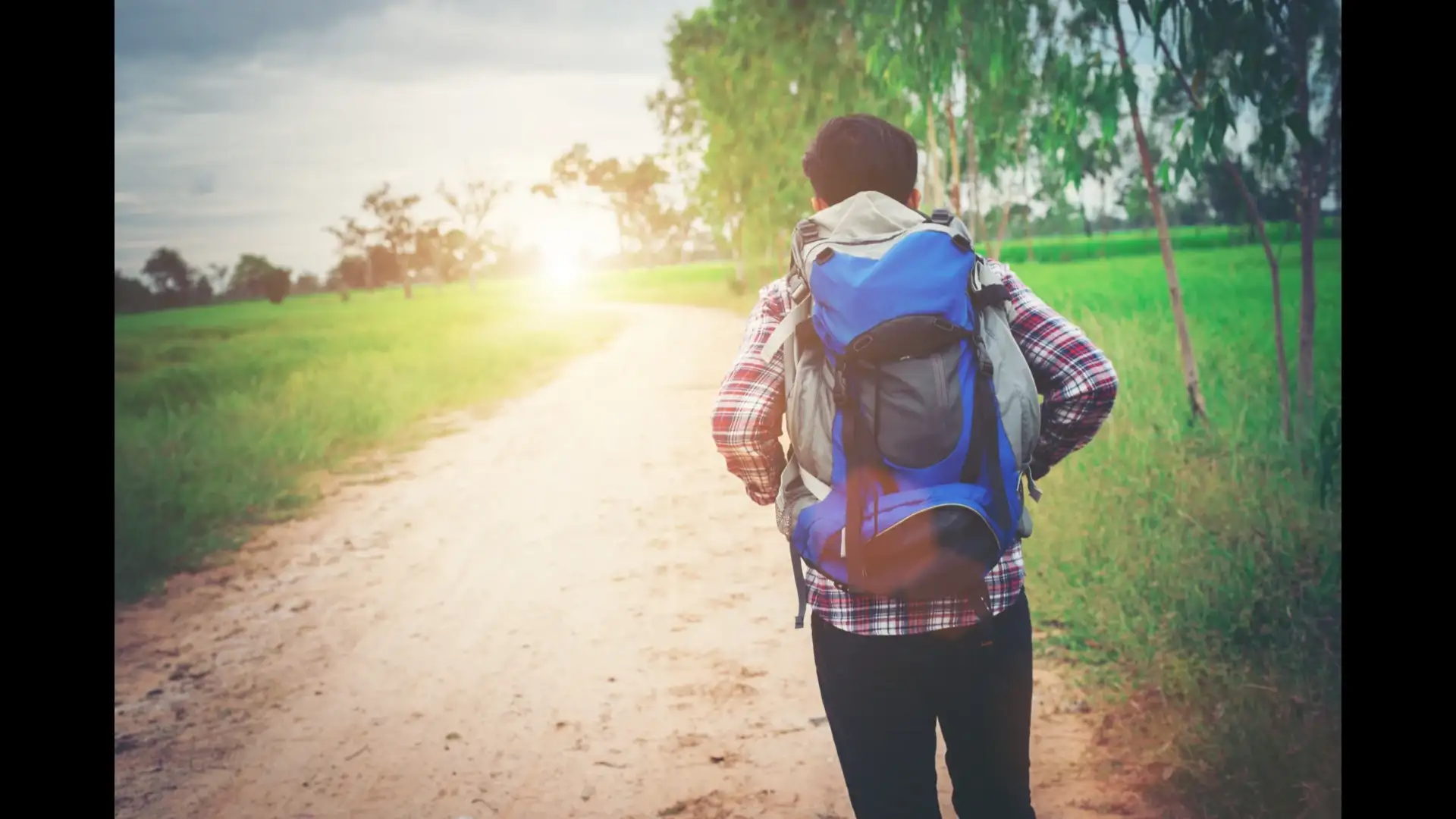
Over months, the asymmetry becomes the body's default posture, and the shoulder that always carries the bag starts to ache even when it is empty.
Lighter things go in the outer pockets. This keeps the centre of gravity close to your own centre of gravity, which means the bag pulls straight down rather than swinging forward and dragging your shoulder with it. A bag that swings is a bag doing continuous damage.
Check the total weight before you leave. If you cannot lift it comfortably with both hands, something in it does not need to come today. A bag that weighs more than roughly ten percent of your body weight is asking more of your shoulder than it was designed to give.
Tighten the strap until the bottom of the bag sits roughly at hip level. It will feel shorter than you are used to. That is correct.
For a backpack, both straps go on, every time. A backpack worn on one shoulder becomes a heavier version of the single-strap problem.
Adjust the straps so the bag rides high on the back, with the bottom sitting at the waist rather than at the tailbone. A bag that hangs low shifts the load onto the lower back and forces the upper back to compensate.
Switching before discomfort arrives keeps both sides working roughly equally and prevents either side from developing the chronic tightness that turns into a persistent ache.
On public transport, hold the bag in front of you or place it on your lap rather than keeping it on one shoulder while standing. A standing commute with a shoulder bag and nothing to hold onto is the worst-case scenario: the shoulder is carrying the bag, stabilising the body against movement, and holding a contracted posture all at once.
If the ache is present in the morning before you have picked up anything, or if it runs down the arm, that is a different conversation and one worth having with a doctor.
The shoulder is not a hook. It is a joint with the widest range of motion in the body, which also makes it the most vulnerable to sustained load in a fixed position. Treating the bag as a problem to be distributed rather than a weight to be endured is the only habit that actually changes the outcome.
Why One Shoulder Takes All the Punishment
When you sling a bag onto one shoulder, the trapezius muscle on that side tightens to stop the strap from sliding off. It stays contracted for the entire journey. Meanwhile, the spine curves slightly toward the load, the opposite hip rises to compensate, and the neck tilts to correct for that. None of this happens dramatically enough to notice in the moment.Over months, the asymmetry becomes the body's default posture, and the shoulder that always carries the bag starts to ache even when it is empty.
Load the Bag Before You Wear It
Where the weight sits inside the bag matters as much as how much weight is in it. Heavy items, a laptop, a water bottle, a thick book, go flat against the back panel, as close to the spine as the bag allows.Lighter things go in the outer pockets. This keeps the centre of gravity close to your own centre of gravity, which means the bag pulls straight down rather than swinging forward and dragging your shoulder with it. A bag that swings is a bag doing continuous damage.
Check the total weight before you leave. If you cannot lift it comfortably with both hands, something in it does not need to come today. A bag that weighs more than roughly ten percent of your body weight is asking more of your shoulder than it was designed to give.
Adjust the Strap Until the Bag Sits at Your Hip, Not Your Lower Back
A single-strap bag should rest at the side of the hip on the carrying shoulder, not dangle halfway down the back. The longer the strap, the further the bag swings away from the body, and the harder the shoulder works to hold it in place.Tighten the strap until the bottom of the bag sits roughly at hip level. It will feel shorter than you are used to. That is correct.
For a backpack, both straps go on, every time. A backpack worn on one shoulder becomes a heavier version of the single-strap problem.
Adjust the straps so the bag rides high on the back, with the bottom sitting at the waist rather than at the tailbone. A bag that hangs low shifts the load onto the lower back and forces the upper back to compensate.
Switch Sides Before the Shoulder Asks You To
Set a timer if you need to. Switch the bag to the other shoulder every fifteen to twenty minutes. Most people wait until the carrying shoulder aches before switching, which means the muscle has already been under sustained load for too long.Switching before discomfort arrives keeps both sides working roughly equally and prevents either side from developing the chronic tightness that turns into a persistent ache.
On public transport, hold the bag in front of you or place it on your lap rather than keeping it on one shoulder while standing. A standing commute with a shoulder bag and nothing to hold onto is the worst-case scenario: the shoulder is carrying the bag, stabilising the body against movement, and holding a contracted posture all at once.
What to Do When the Shoulder Already Hurts
A shoulder that aches at the end of the day is signalling muscle fatigue, not injury. Two things help it recover: gentle neck rolls that take the ear toward the shoulder on each side, held for a few seconds, and a deliberate roll of both shoulders backward, not forward, ten times. Forward rolls compress the front of the shoulder joint, which is already compressed from a day of carrying. Backward rolls open it.If the ache is present in the morning before you have picked up anything, or if it runs down the arm, that is a different conversation and one worth having with a doctor.
The shoulder is not a hook. It is a joint with the widest range of motion in the body, which also makes it the most vulnerable to sustained load in a fixed position. Treating the bag as a problem to be distributed rather than a weight to be endured is the only habit that actually changes the outcome.
Next Story