
How to Pack for a Monsoon Trip So Nothing Gets Soaked

A monsoon trip punishes one kind of traveller and rewards another. The difference is not luck or a better raincoat, it is what went into the bag before the journey started.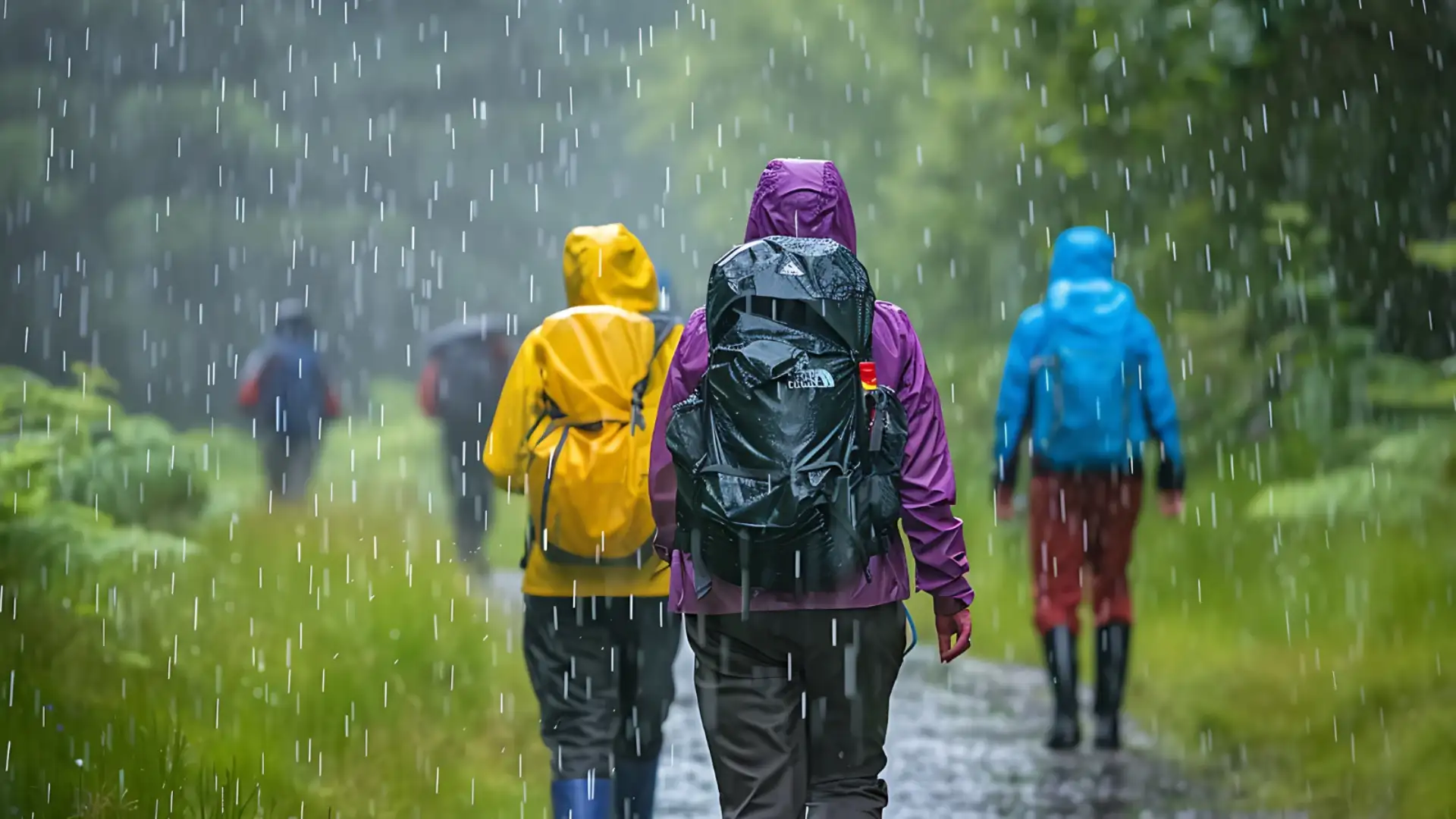
The Bag Itself Comes First
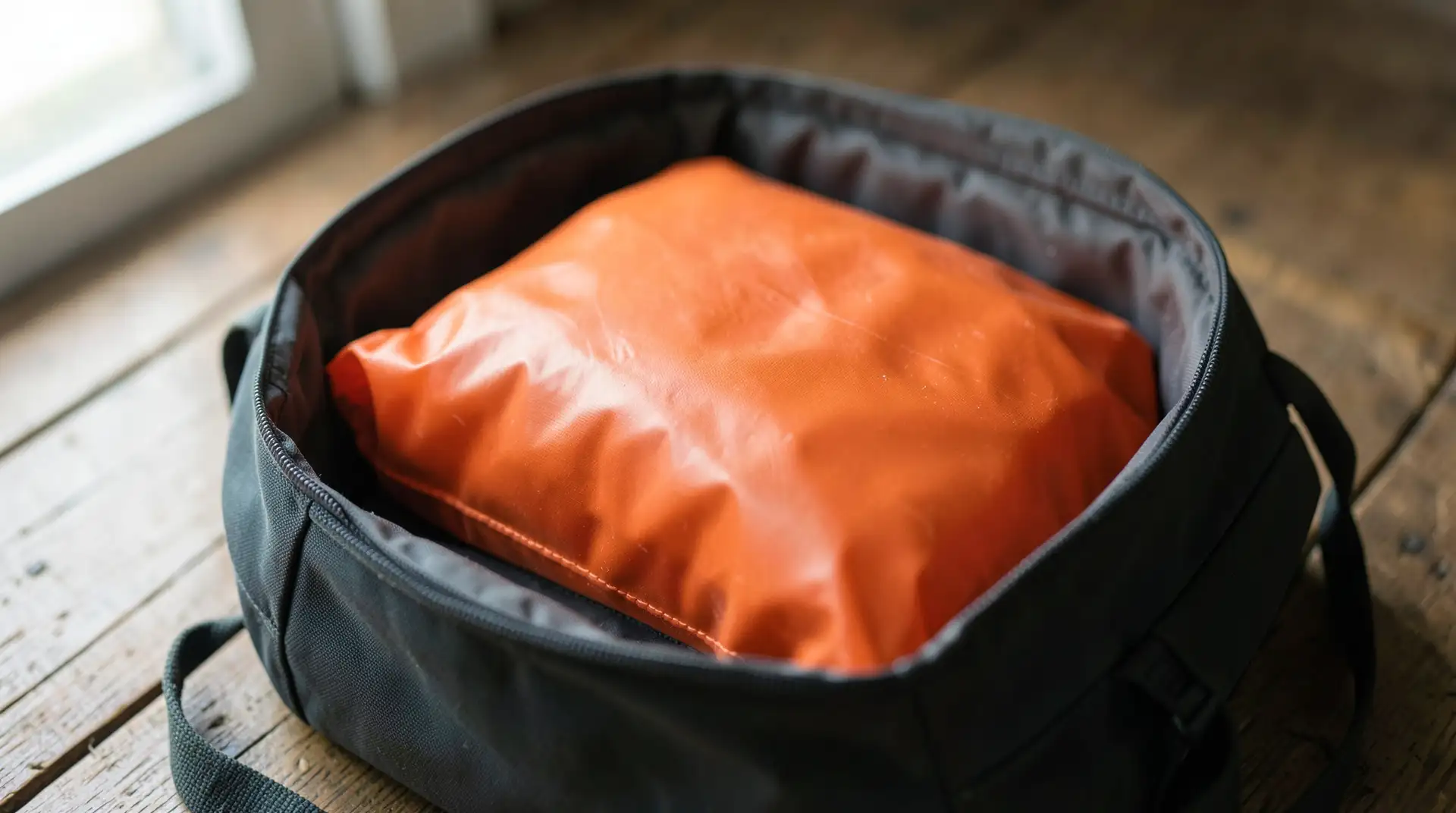
Most travel bags are water-resistant, not waterproof. Water-resistant means a light drizzle beads off. It does not mean a two-hour downpour on a mountain road. The fix is a dry bag liner, a roll-top bag made of coated nylon that sits inside your main bag and seals completely. Everything goes inside the liner; the outer bag can get as wet as it likes. Dry bag liners weigh almost nothing, compress flat, and cost less than a ruined camera. A second option is a rain cover, the kind that stretches over the outside of a backpack. Use both if the trip involves rivers, waterfalls, or open boats.Clothes That Work Wet
Cotton feels comfortable dry and miserable wet. It absorbs water, stays heavy, and takes a full day to dry in humid air. Synthetic fabrics, polyester, nylon, a nylon-cotton blend, shed water quickly and dry in a few hours even without direct sun. Two or three changes of synthetic clothing outperform five changes of cotton on a week-long monsoon trip. For a top layer, a packable rain jacket earns its place. Not an umbrella, an umbrella needs a hand, leaves one side of you exposed, and inverts in wind. A jacket keeps both hands free and covers a bag on the back. Footwear is the other decision that matters: closed shoes take a day to dry and breed fungal problems in monsoon humidity. Sandals with rubber soles drain immediately and dry in an hour.You may also like
- Working parents, here's how to keep kids engaged while you juggle work calls, deadlines and household chores
- Flight Cancellation: How to Get a Refund If Your Flight Is Cancelled or Delayed?
- Elderly Man Loses ₹1.41 Crore After Falling for Fake Video of Finance Minister Sitharaman.
- Breaking the silence: The journey toward supporting pregnancy loss at work
Electronics and Documents
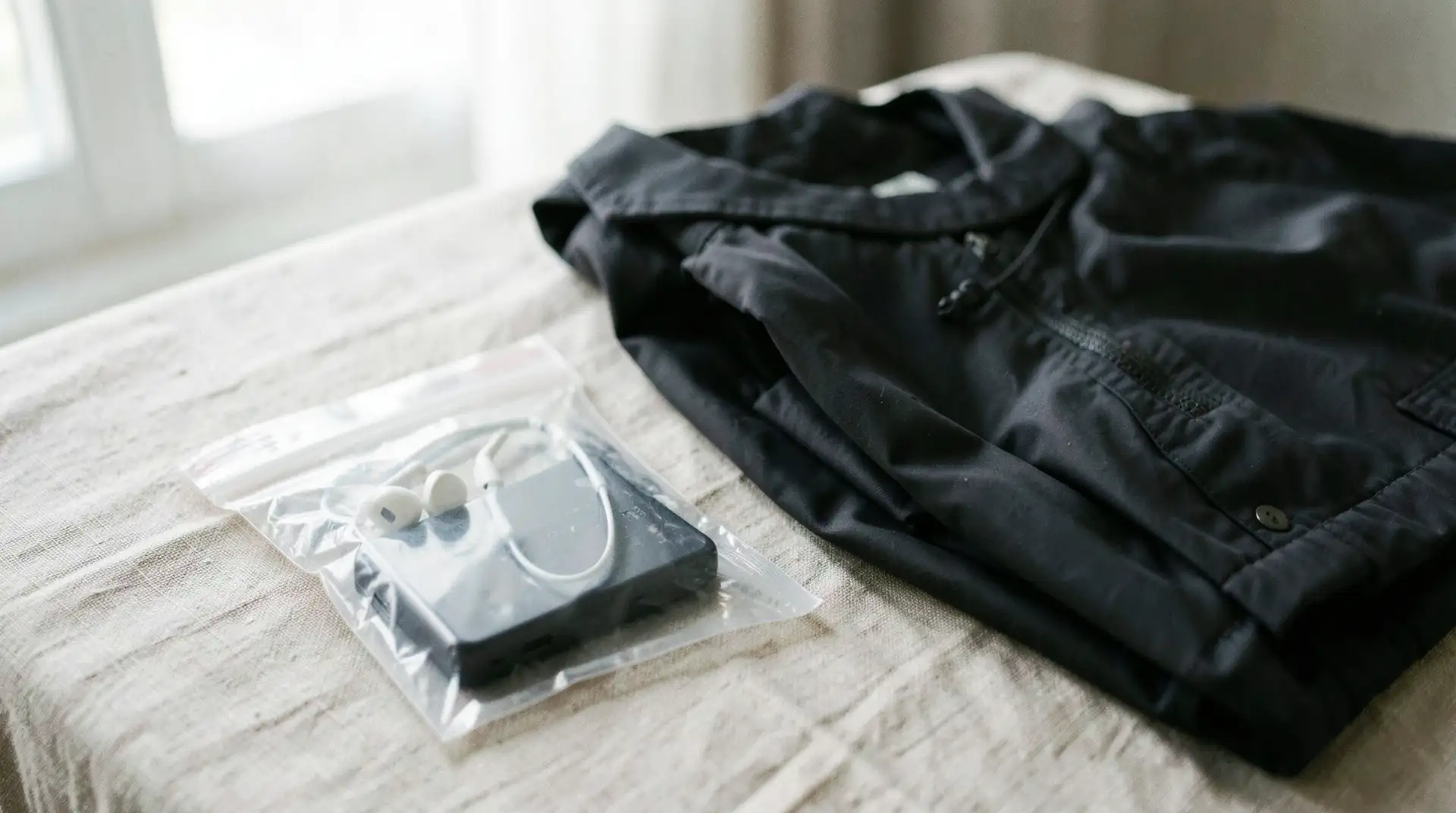
A phone dropped into a dry bag pocket survives a soaking. A phone in a jeans pocket does not. The rule is simple: anything with a screen or a battery goes into a ziplock or a small dry pouch before the bag is packed. Keep one ziplock for electronics, phone, earphones, power bank, camera, and a separate one for documents: ID, cards, any paper you cannot replace mid-trip. The document ziplock goes flat against the back panel of the bag, where it is least likely to get bumped or opened accidentally. A small portable charger matters more on a monsoon trip than on a dry one because wet weather often means more time indoors, more navigation, and more photos of rain on a river.The Things People Forget
A quick-dry towel takes up a quarter of the space of a regular towel and dries between uses even in humid air. A regular towel stays damp all day and starts to smell by the second morning. A small packet of antifungal powder for feet and a spare pair of dry socks sealed in their own ziplock are the kind of things that feel unnecessary at home and essential by day three. Waterproof sandals or flip-flops double as shower footwear in guesthouses where the floors stay perpetually wet. One lightweight dry bag, the kind used for river sports, small enough to clip to a wrist, is worth carrying for day excursions to waterfalls or boat rides, where the main bag stays behind at the hotel.What to Leave Behind
Suede, leather, and anything that cannot be rinsed and hung to dry has no place in a monsoon bag. Leather shoes absorb water, warp, and grow mould in two days of humidity. Suede is ruined by a single heavy shower. A formal outfit for one dinner is not worth the weight and the damp. If the trip genuinely requires something delicate, it goes into a sealed bag inside the liner and comes out only indoors. Heavy books, thick denim, and anything that doubles its weight when wet should stay home. The monsoon rewards packing light, a smaller bag fits under a seat, stays drier, and moves faster when you are running for cover.





Loving Newspoint? Download the app now
