
How to Store a Silk Saree So It Lasts for Generations

Your grandmother's silk saree still holds its sheen because someone, somewhere in the family, stored it correctly without knowing the science behind it. Silk is a natural protein fibre, the same amino acid structure that makes it lustrous also makes it vulnerable. Moisture weakens the thread, light bleaches the dye, and a fold held in the same crease for years will eventually split the warp. The good news is that none of this requires special equipment. It requires attention to a few specific habits.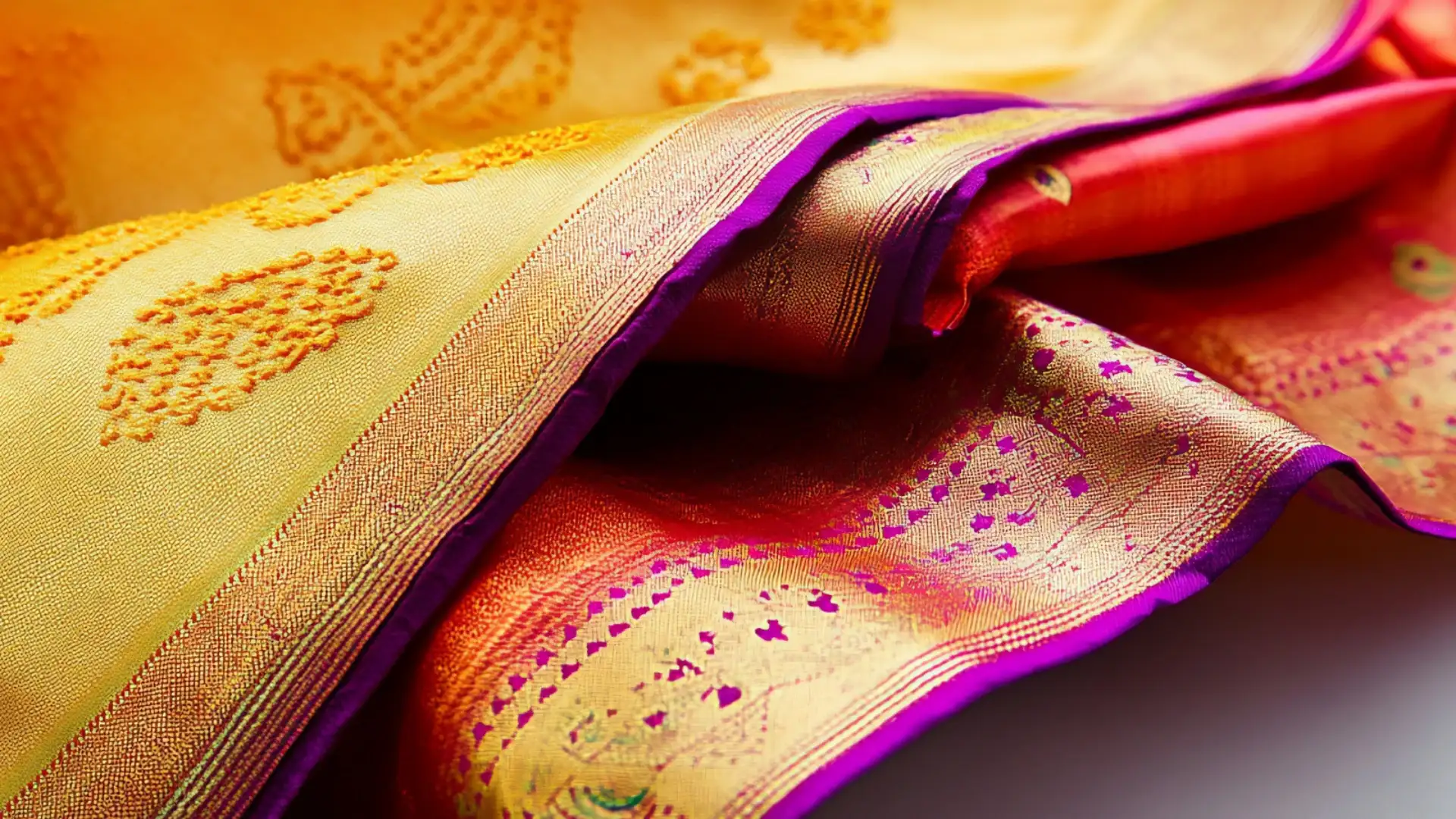
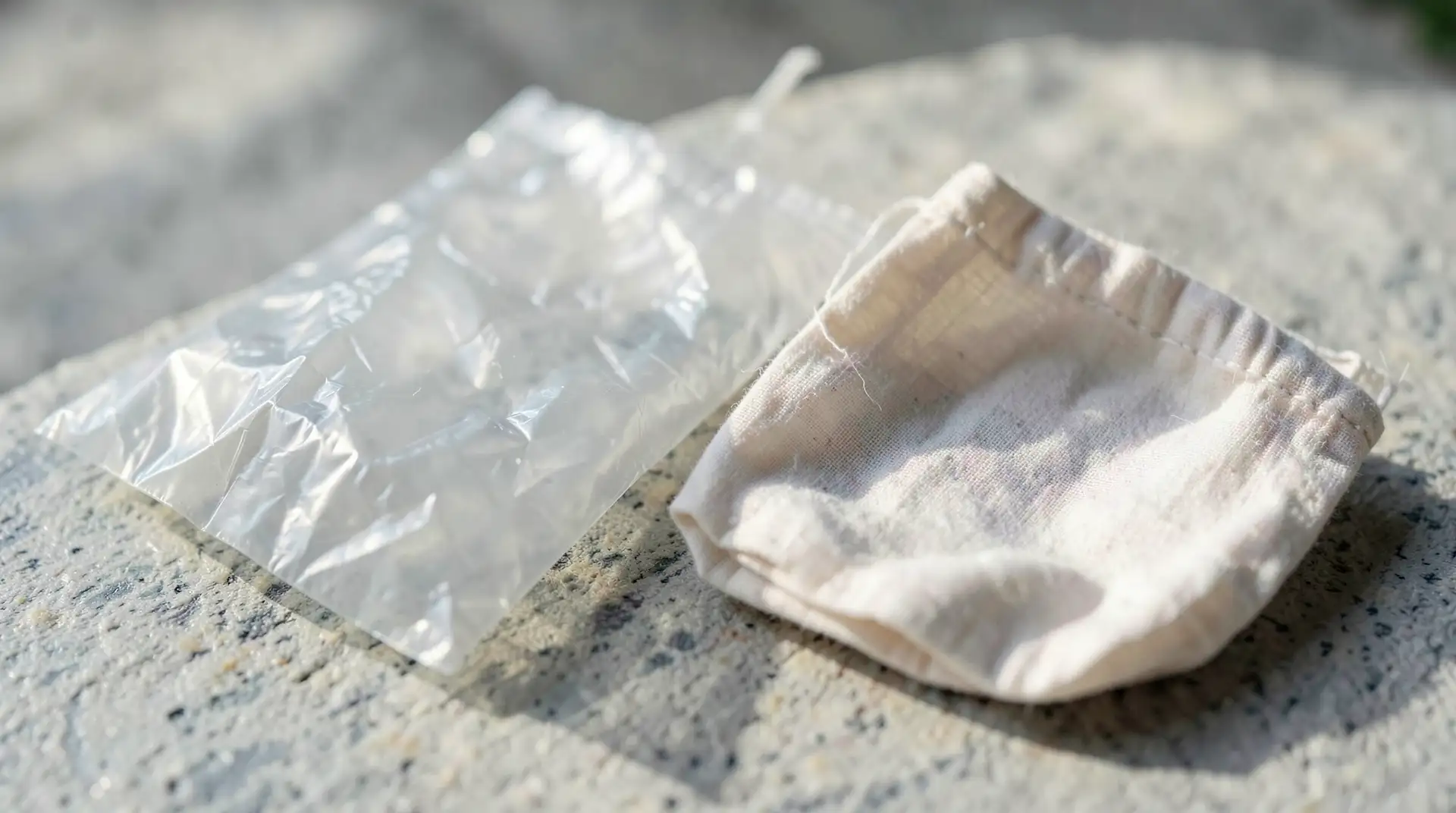
The replacement is unbleached muslin, called malmal, cut into a loose cover. Muslin breathes. It keeps dust out while letting the fabric exchange air with its surroundings. If muslin is not available, plain white cotton works. Never use newspaper directly against the silk; the ink transfers and the acid in newsprint degrades the fibre over time.
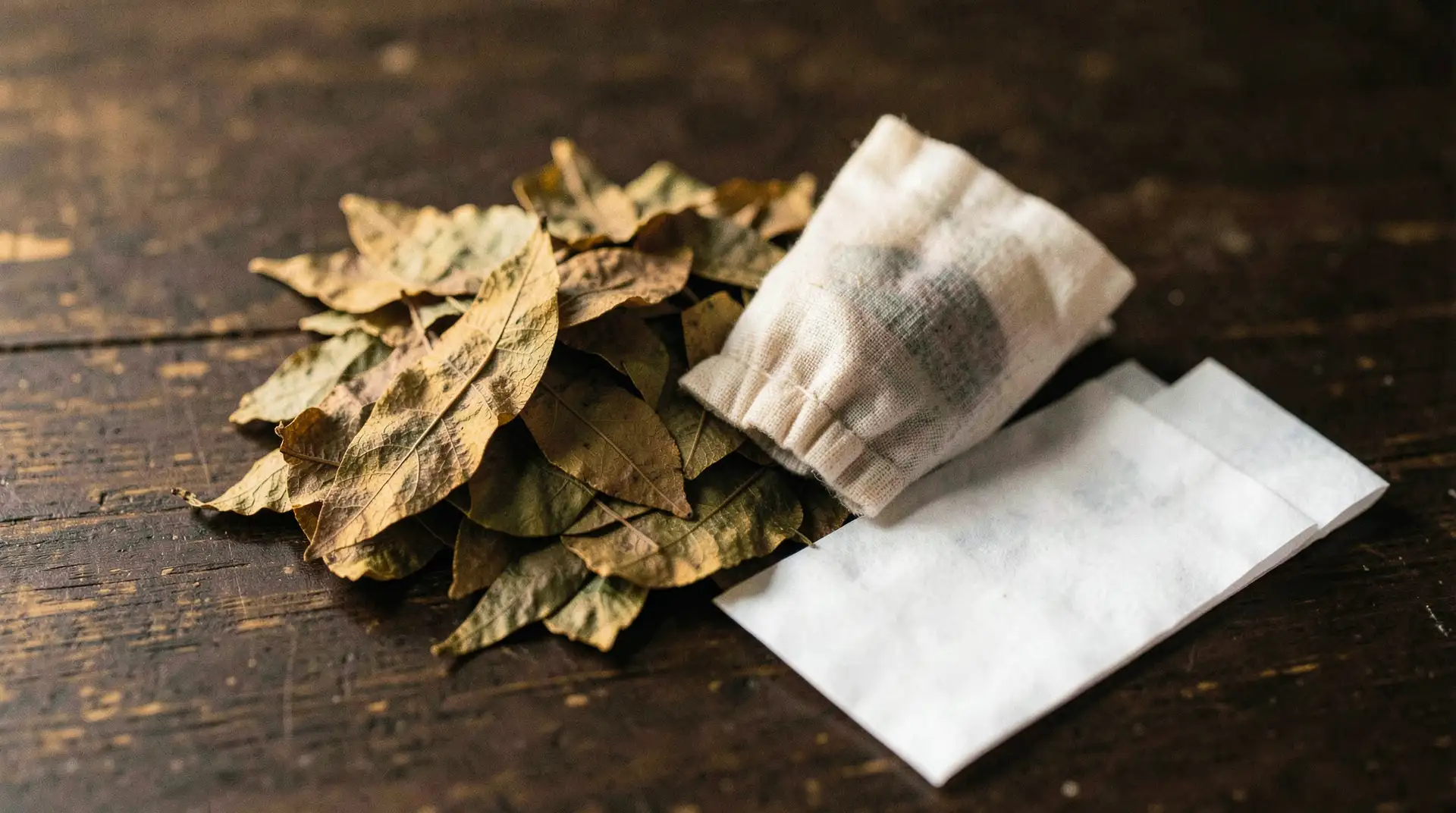
Before folding, place a thin strip of acid-free tissue paper, available at stationery shops, along the fold line. It cushions the crease and prevents the zari from pressing into the silk on the other side. For a very heavy saree, rolling it loosely around a muslin-wrapped cardboard tube is better than folding at all. A roll has no crease.
Camphor and mothballs are effective but risky. Camphor vapour, in a closed space, can discolour zari over time. If you use it, keep it in a separate small pouch and do not let it touch the fabric directly. Never use cedar chips near zari for the same reason.
The storage space itself should be dark and dry. A wooden almirah is better than a metal one because wood does not conduct temperature swings as sharply. Avoid storing silk at the bottom of a stack where the weight of other sarees compresses it.
Once a year, preferably before the monsoon and once after, take the saree out and let it air in a shaded, well-ventilated room for a few hours. Not in sunlight, shade. This releases any accumulated moisture and lets you inspect the fabric for early signs of damage: small yellow spots, a stiff patch, a thread beginning to fray at the border. Caught early, these are manageable. Ignored for another year, they are permanent.
Dry cleaning is the right choice for silk, but not after every wear, the solvents used in frequent dry cleaning eventually strip the natural oils that give silk its drape. For a saree worn at a wedding and not visibly soiled, airing is enough. Dry clean when there is an actual stain or after several wears.
The logic running through all of this is the same: silk lasts when its environment stays stable, stable humidity, stable temperature, no chemical contact, no sustained pressure on a single point. A saree stored this way does not just survive. It stays wearable.
The Plastic Bag Problem
Plastic is the single most common mistake. A polythene bag traps humidity against the silk, and in India's climate, where even a dry winter carries moisture, that trapped air turns the fabric yellow and encourages mildew. The zari, which is real metal thread in a Kanjivaram or a Banarasi, oxidises fastest in a sealed, airless environment.The replacement is unbleached muslin, called malmal, cut into a loose cover. Muslin breathes. It keeps dust out while letting the fabric exchange air with its surroundings. If muslin is not available, plain white cotton works. Never use newspaper directly against the silk; the ink transfers and the acid in newsprint degrades the fibre over time.
How to Fold Without Creating a Weak Point
The fold is where most sarees eventually tear. A crease held in exactly the same place for months concentrates stress on a single line of thread. The fix is simple: refold the saree every three to four months along a slightly different line. Even a centimetre of shift distributes the pressure across new threads each time.Before folding, place a thin strip of acid-free tissue paper, available at stationery shops, along the fold line. It cushions the crease and prevents the zari from pressing into the silk on the other side. For a very heavy saree, rolling it loosely around a muslin-wrapped cardboard tube is better than folding at all. A roll has no crease.
What Goes Into the Storage Space
Neem leaves dried and wrapped in a small muslin pouch are the traditional repellent, they discourage silverfish and moths without chemicals that can bleach or corrode metallic thread. Dried lavender works on the same principle. Both lose potency after a few months, so replace them when you refold.Camphor and mothballs are effective but risky. Camphor vapour, in a closed space, can discolour zari over time. If you use it, keep it in a separate small pouch and do not let it touch the fabric directly. Never use cedar chips near zari for the same reason.
The storage space itself should be dark and dry. A wooden almirah is better than a metal one because wood does not conduct temperature swings as sharply. Avoid storing silk at the bottom of a stack where the weight of other sarees compresses it.
Light, Air, and the Annual Airing
Ultraviolet light fades silk dye steadily, even through glass. A saree kept near a window, even folded, will show uneven colour within a few years. Store away from direct or indirect sunlight.Once a year, preferably before the monsoon and once after, take the saree out and let it air in a shaded, well-ventilated room for a few hours. Not in sunlight, shade. This releases any accumulated moisture and lets you inspect the fabric for early signs of damage: small yellow spots, a stiff patch, a thread beginning to fray at the border. Caught early, these are manageable. Ignored for another year, they are permanent.
After Wearing: What Happens Before It Goes Back
Never store a saree immediately after wearing it. Body oils, sweat, and any perfume or deodorant that touched the fabric will set into the fibre if folded away while still present. Air the saree for at least a day in a shaded spot before folding it back.Dry cleaning is the right choice for silk, but not after every wear, the solvents used in frequent dry cleaning eventually strip the natural oils that give silk its drape. For a saree worn at a wedding and not visibly soiled, airing is enough. Dry clean when there is an actual stain or after several wears.
The logic running through all of this is the same: silk lasts when its environment stays stable, stable humidity, stable temperature, no chemical contact, no sustained pressure on a single point. A saree stored this way does not just survive. It stays wearable.