
Animals That Can Survive Without Water for Months: Nature's Ultimate Survivors

For most living creatures, water is essential for survival. Humans can survive only a few days without it, and many animals need regular access to rivers, lakes or watering holes. Yet nature is full of remarkable exceptions. Across scorching deserts, isolated islands and dry grasslands, some animals have evolved extraordinary ways to survive for months without taking a single drink. Instead of relying on nearby water sources, they obtain moisture from food, store it within their bodies or reduce water loss through highly specialised adaptations. These incredible survival strategies reveal just how inventive evolution can be in some of the world's harshest environments.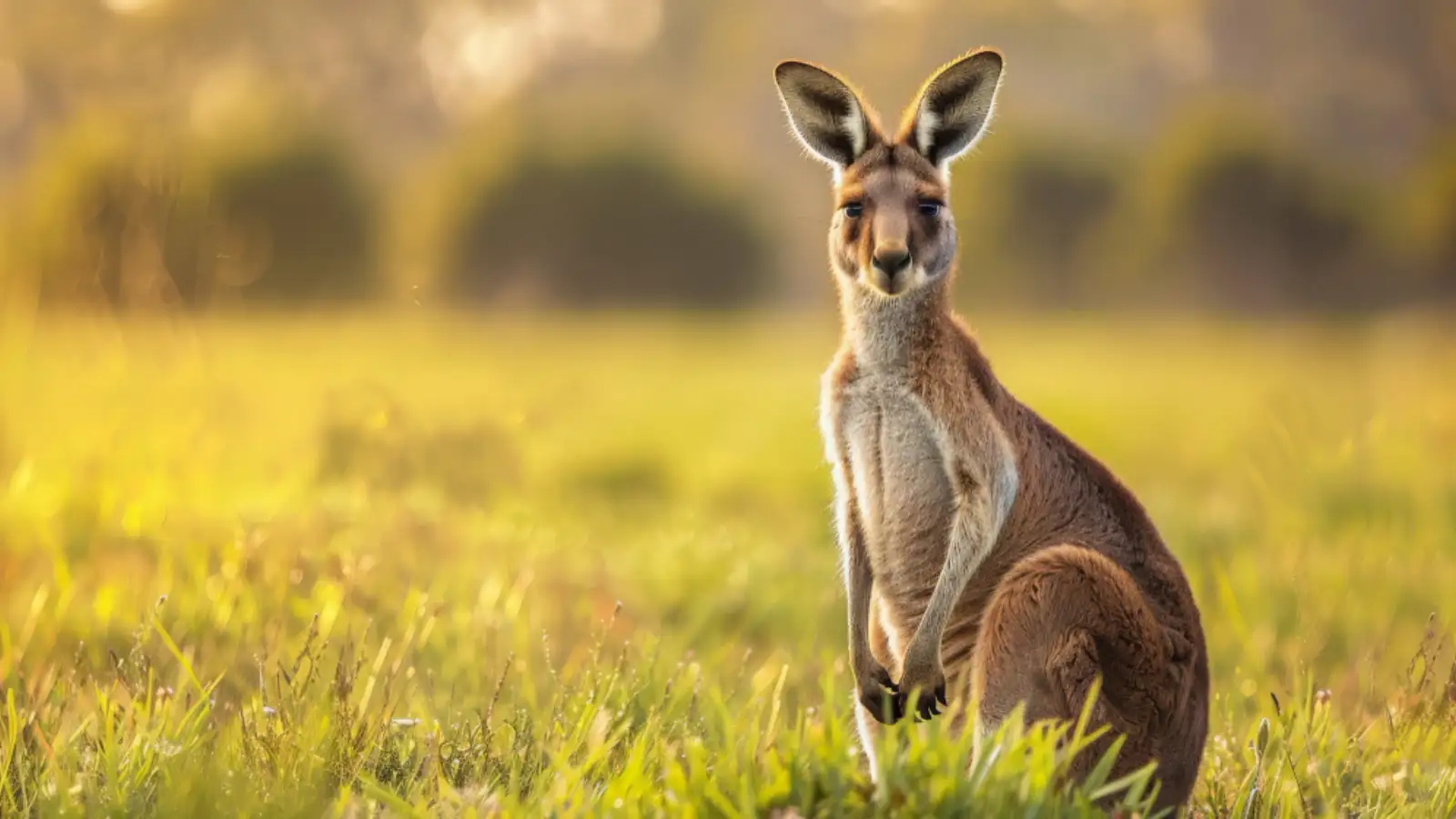
Some species also have highly efficient kidneys that produce very concentrated urine, allowing them to lose minimal water. Others reduce sweating or remain inactive during the hottest part of the day to prevent dehydration.
These adaptations allow animals to survive where fresh water is scarce or unavailable for long periods.
How Do Animals Survive Without Drinking Water?
Animals that live in extremely dry habitats have developed several methods to conserve every possible drop of moisture. Many obtain water from the plants, seeds or prey they eat, while others produce what scientists call "metabolic water". This water is created naturally when the body breaks down fats and carbohydrates during digestion.Some species also have highly efficient kidneys that produce very concentrated urine, allowing them to lose minimal water. Others reduce sweating or remain inactive during the hottest part of the day to prevent dehydration.
These adaptations allow animals to survive where fresh water is scarce or unavailable for long periods.
Nature's Greatest Water Conservers
The camel is perhaps the most famous example, although it does not actually store water in its humps. Instead, the humps store fat, which can later be converted into both energy and metabolic water. Camels can also tolerate significant dehydration before needing to drink.Next Story