
How Some Animals Actually Shrink in Winter to Save Energy

Winter pushes wildlife to its limits. As temperatures drop and food becomes scarce, animals rely on remarkable adaptations to stay alive. While many species hibernate or migrate to warmer places, a few take survival to an entirely different level. Instead of simply slowing down, they physically shrink parts of their bodies to reduce the amount of energy they need. It may sound unbelievable, but scientists have confirmed that some mammals lose bone mass, reduce the size of their organs and even shrink parts of their skull before growing them back when spring arrives. This extraordinary adaptation is one of nature's most efficient ways of surviving harsh winters.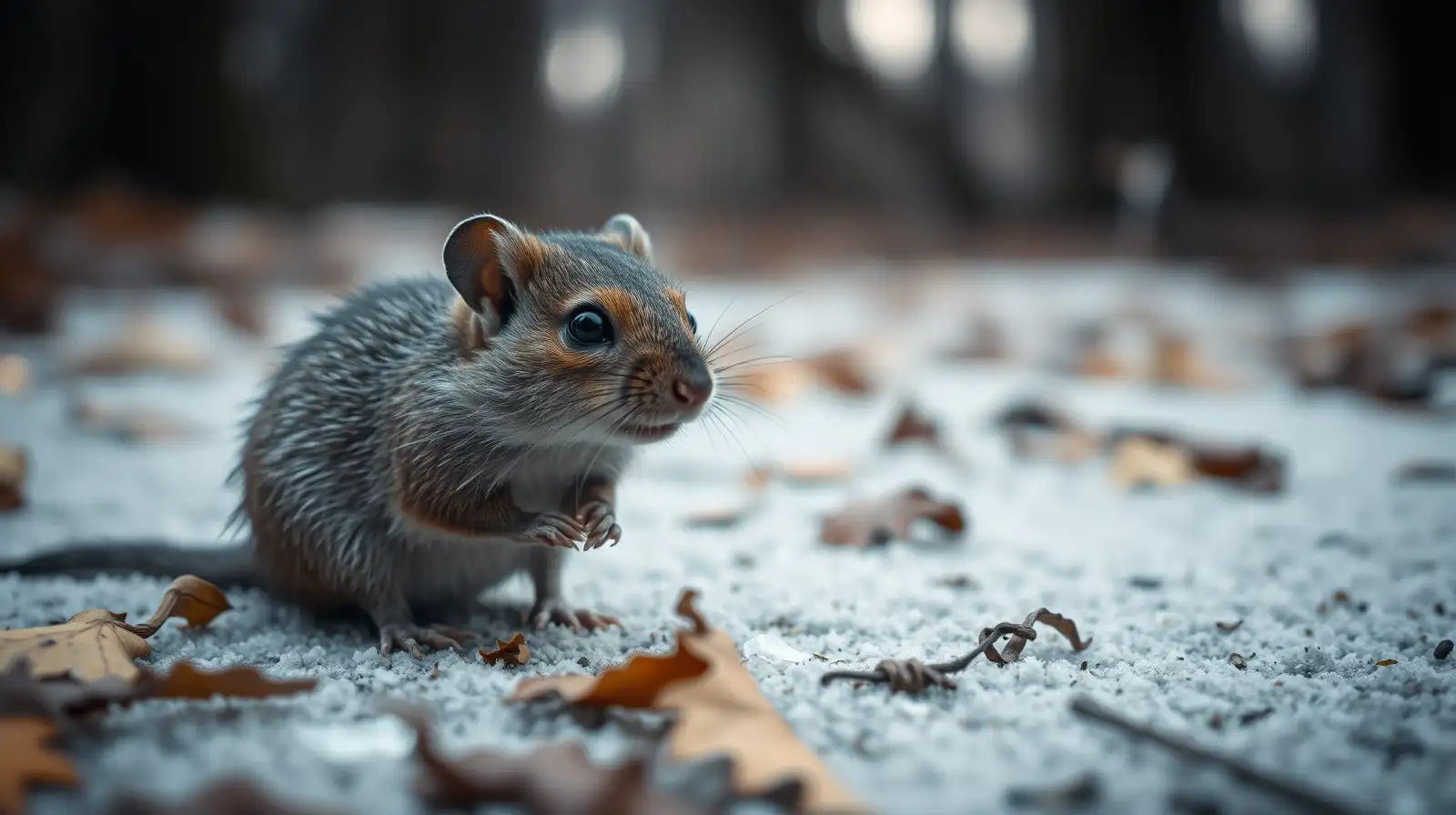
Unlike animals that simply lose fat, these species actually reduce the size of bones, organs and other tissues. Once conditions improve, much of this lost tissue is regenerated, allowing the animals to return to their normal size.
This seasonal transformation helps conserve precious energy when every meal becomes difficult to find.
Scientists have also documented similar changes in stoats, weasels and several other small mammals. Although the degree of shrinkage varies between species, the purpose remains the same: reducing energy demands during the toughest months of the year.
These animals achieve something that was once thought impossible for adult mammals.
By shrinking their organs and reducing overall body mass, these animals lower the amount of energy needed to survive. Even a modest reduction in body size can significantly decrease daily food requirements.
This adaptation allows them to remain active throughout winter instead of entering hibernation, giving them greater flexibility when searching for food.
Researchers are particularly interested in understanding how these animals safely reduce and later rebuild bone and brain tissue without suffering permanent damage. The discoveries could one day contribute to medical research on osteoporosis, tissue regeneration and age-related brain disorders.
Each new study continues to challenge long-held assumptions about the limits of mammalian biology.
Studying these remarkable mammals also offers valuable insights into energy conservation, resilience and the extraordinary flexibility of living organisms. Their ability to remodel their bodies demonstrates that survival is often about adaptation rather than strength.
For conservationists, this knowledge helps predict how wildlife populations may respond to changing environments.
Animals That Can Shrink Their Bodies During Winter
A Survival Strategy Hidden in Plain Sight
Body shrinkage in animals is a genuine biological phenomenon rather than an illusion caused by weight loss. Scientists call one of the best-known examples the Dehnel phenomenon , named after Polish zoologist August Dehnel, who first described it in the 1940s.Unlike animals that simply lose fat, these species actually reduce the size of bones, organs and other tissues. Once conditions improve, much of this lost tissue is regenerated, allowing the animals to return to their normal size.
This seasonal transformation helps conserve precious energy when every meal becomes difficult to find.
Which Animals Shrink During Winter?
The Eurasian common shrew is the most famous example. During autumn and winter, its skull can shrink by as much as 15 to 20 per cent, while its brain, liver and several other organs also become smaller. When spring arrives, these body parts grow again, ready for the breeding season.Scientists have also documented similar changes in stoats, weasels and several other small mammals. Although the degree of shrinkage varies between species, the purpose remains the same: reducing energy demands during the toughest months of the year.
These animals achieve something that was once thought impossible for adult mammals.
Why Becoming Smaller Helps Survival
Small mammals burn energy at an exceptionally fast rate because they lose body heat quickly. During winter, finding enough insects, seeds or small prey to maintain this high metabolism becomes increasingly difficult.By shrinking their organs and reducing overall body mass, these animals lower the amount of energy needed to survive. Even a modest reduction in body size can significantly decrease daily food requirements.
You may also like
- Make rose water at home for glowing skin, the process is very easy
- EPFO credits PF interest to 34 crore accounts; have you received yours? Here's how to check...
- Gold has become cheaper by ₹2,200 and silver by over ₹4,900; find out from experts if prices will fall further..
- Special Trains: Special trains announced for Shravani Mela; find out the routes..
- “On the exam day, luck was also on my side”: NEET AIR 1 Aryan Gupta reveals the habits, family support and the luck factor behind his success
This adaptation allows them to remain active throughout winter instead of entering hibernation, giving them greater flexibility when searching for food.
What Scientists Have Learned
Advances in medical imaging have allowed researchers to observe these seasonal changes in extraordinary detail. Studies have shown that the shrinking process is carefully controlled by hormones, environmental conditions and food availability rather than illness or ageing.Researchers are particularly interested in understanding how these animals safely reduce and later rebuild bone and brain tissue without suffering permanent damage. The discoveries could one day contribute to medical research on osteoporosis, tissue regeneration and age-related brain disorders.
Each new study continues to challenge long-held assumptions about the limits of mammalian biology.
Why This Matters Today
As climate change alters seasonal temperatures and food supplies, understanding how animals adapt has become increasingly important. Species that depend on predictable winter conditions may struggle if those conditions change rapidly.Studying these remarkable mammals also offers valuable insights into energy conservation, resilience and the extraordinary flexibility of living organisms. Their ability to remodel their bodies demonstrates that survival is often about adaptation rather than strength.
For conservationists, this knowledge helps predict how wildlife populations may respond to changing environments.






Loving Newspoint? Download the app now
