
How Some Plants Have Survived the Harsh Conditions of Space

Outer space is one of the harshest environments imaginable. It offers no breathable air, almost no pressure, extreme temperature changes and intense cosmic radiation. For most living things, even a brief exposure would be fatal. Yet scientists have discovered that a handful of plants and plant-like organisms can withstand these seemingly impossible conditions. Through carefully designed space experiments conducted aboard satellites and the International Space Station, researchers have explored how life responds beyond Earth. The findings have not only changed our understanding of plant biology but also raised exciting possibilities for future space exploration and long-term missions to the Moon and Mars.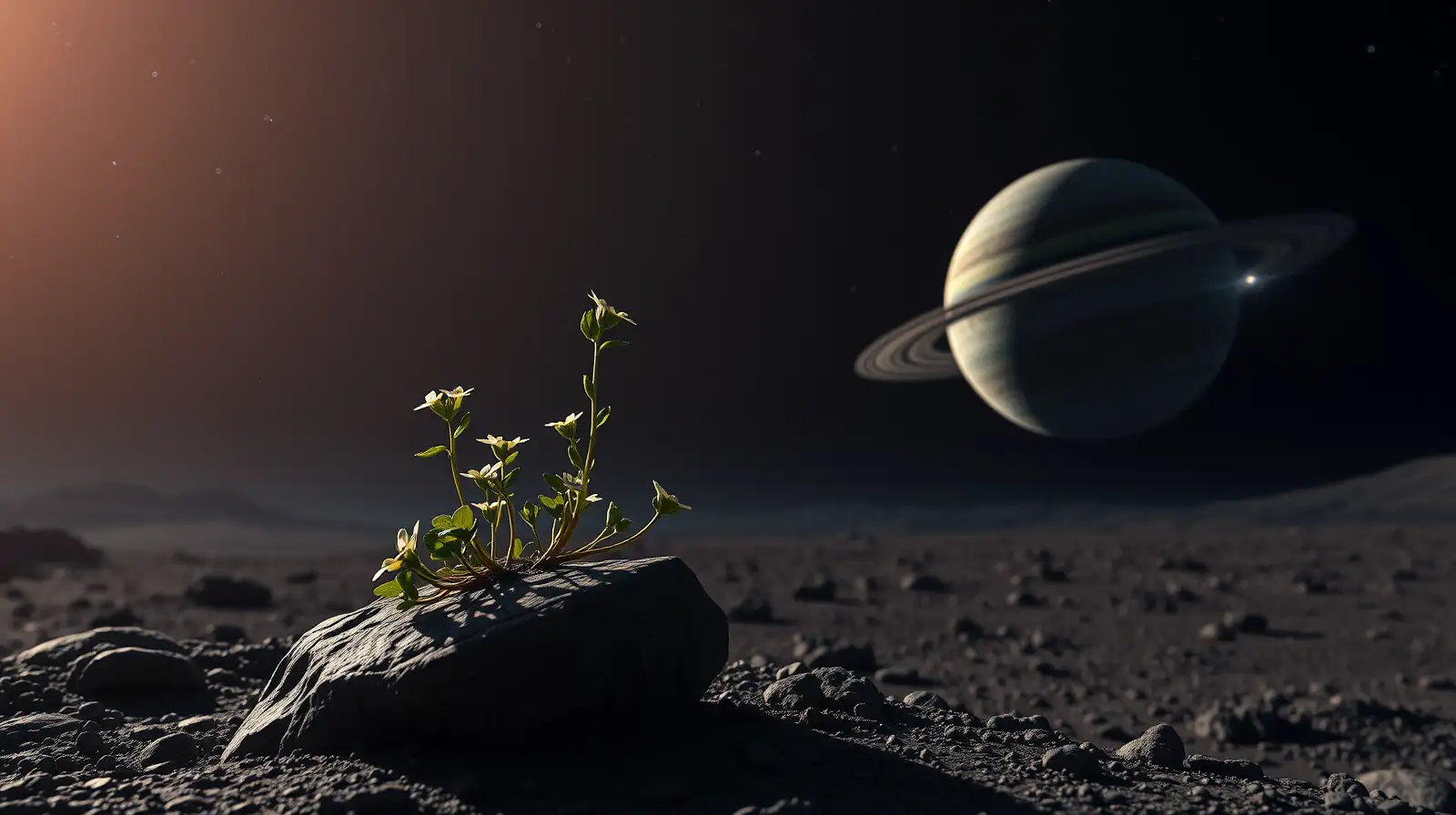
Scientists study these plants to understand how they cope with microgravity, radiation and the stress of an environment completely different from Earth.
The knowledge gained is essential if humans are to one day establish permanent settlements beyond our planet.
Experiments have shown that certain moss species tolerate intense radiation, freezing temperatures and other extreme conditions remarkably well. Their resilience makes them valuable candidates for studying how plants might survive on future space missions.
Although they cannot live indefinitely in open space, their ability to recover from severe stress has impressed researchers worldwide.
Because it grows quickly and has a well-understood genome, it has travelled to space on numerous missions. Scientists have observed how microgravity affects its roots, leaves, flowering and gene activity.
The results have shown that plants can successfully germinate, grow and produce seeds in orbit, although they adapt their growth patterns to the unusual conditions.
These studies provide valuable insights for future space agriculture .
These experiments help researchers understand how crops behave without gravity and how fresh food might be produced during long-duration missions.
Growing plants in space offers more than nutrition. They also produce oxygen, absorb carbon dioxide and contribute to astronauts' psychological well-being during extended missions far from Earth.
By studying resilient plants and their responses to space conditions, scientists are developing farming systems capable of supporting astronauts on distant worlds.
The research also benefits agriculture on Earth by improving our understanding of how plants respond to drought, stress and changing environments.
Plants That Can Survive Space Experiments
Can Plants Really Survive Space?
No ordinary plant can grow unprotected in the vacuum of space. However, several species have demonstrated an extraordinary ability to survive space-related experiments when exposed for limited periods or grown inside specially designed spacecraft.Scientists study these plants to understand how they cope with microgravity, radiation and the stress of an environment completely different from Earth.
The knowledge gained is essential if humans are to one day establish permanent settlements beyond our planet.
Mosses and Their Extraordinary Resilience
Among the toughest plant species studied are mosses. These simple plants can survive long periods of drying out before becoming active again when water returns.Experiments have shown that certain moss species tolerate intense radiation, freezing temperatures and other extreme conditions remarkably well. Their resilience makes them valuable candidates for studying how plants might survive on future space missions.
Although they cannot live indefinitely in open space, their ability to recover from severe stress has impressed researchers worldwide.
Arabidopsis Leads the Way
One of the most important plants in space research is Arabidopsis thaliana, a small flowering plant often called the "laboratory mouse" of botany.Because it grows quickly and has a well-understood genome, it has travelled to space on numerous missions. Scientists have observed how microgravity affects its roots, leaves, flowering and gene activity.
You may also like
- Plastic Note: How will plastic notes differ from paper currency? Notes of ₹10 and ₹20 denominations will be introduced first..
- EV Subsidy: 50% subsidy on EV purchases announced by the government; bring home a bike at half the price.
- Make sure to check these 3 hidden clauses before signing a rent agreement, or else you might regret it later..
- Make rose water at home for glowing skin, the process is very easy
- Is Your Baby Tired? 15 Signs to Look Out For
The results have shown that plants can successfully germinate, grow and produce seeds in orbit, although they adapt their growth patterns to the unusual conditions.
These studies provide valuable insights for future space agriculture .
Lessons From the International Space Station
The International Space Station has become an important laboratory for growing plants in microgravity. Astronauts have successfully cultivated lettuce, mustard greens, radishes and even dwarf wheat inside controlled growth chambers.These experiments help researchers understand how crops behave without gravity and how fresh food might be produced during long-duration missions.
Growing plants in space offers more than nutrition. They also produce oxygen, absorb carbon dioxide and contribute to astronauts' psychological well-being during extended missions far from Earth.
Why This Matters Today
As space agencies prepare for future missions to the Moon and Mars, reliable food production will become essential. Transporting all necessary supplies from Earth would be impractical for long-term exploration.By studying resilient plants and their responses to space conditions, scientists are developing farming systems capable of supporting astronauts on distant worlds.
The research also benefits agriculture on Earth by improving our understanding of how plants respond to drought, stress and changing environments.






Loving Newspoint? Download the app now
