
How Some Plants Have Survived the Harsh Conditions of Space

Outer space is one of the harshest environments imaginable. It offers no breathable air, almost no pressure, extreme temperature changes and intense cosmic radiation. For most living things, even a brief exposure would be fatal. Yet scientists have discovered that a handful of plants and plant-like organisms can withstand these seemingly impossible conditions. Through carefully designed space experiments conducted aboard satellites and the International Space Station, researchers have explored how life responds beyond Earth. The findings have not only changed our understanding of plant biology but also raised exciting possibilities for future space exploration and long-term missions to the Moon and Mars.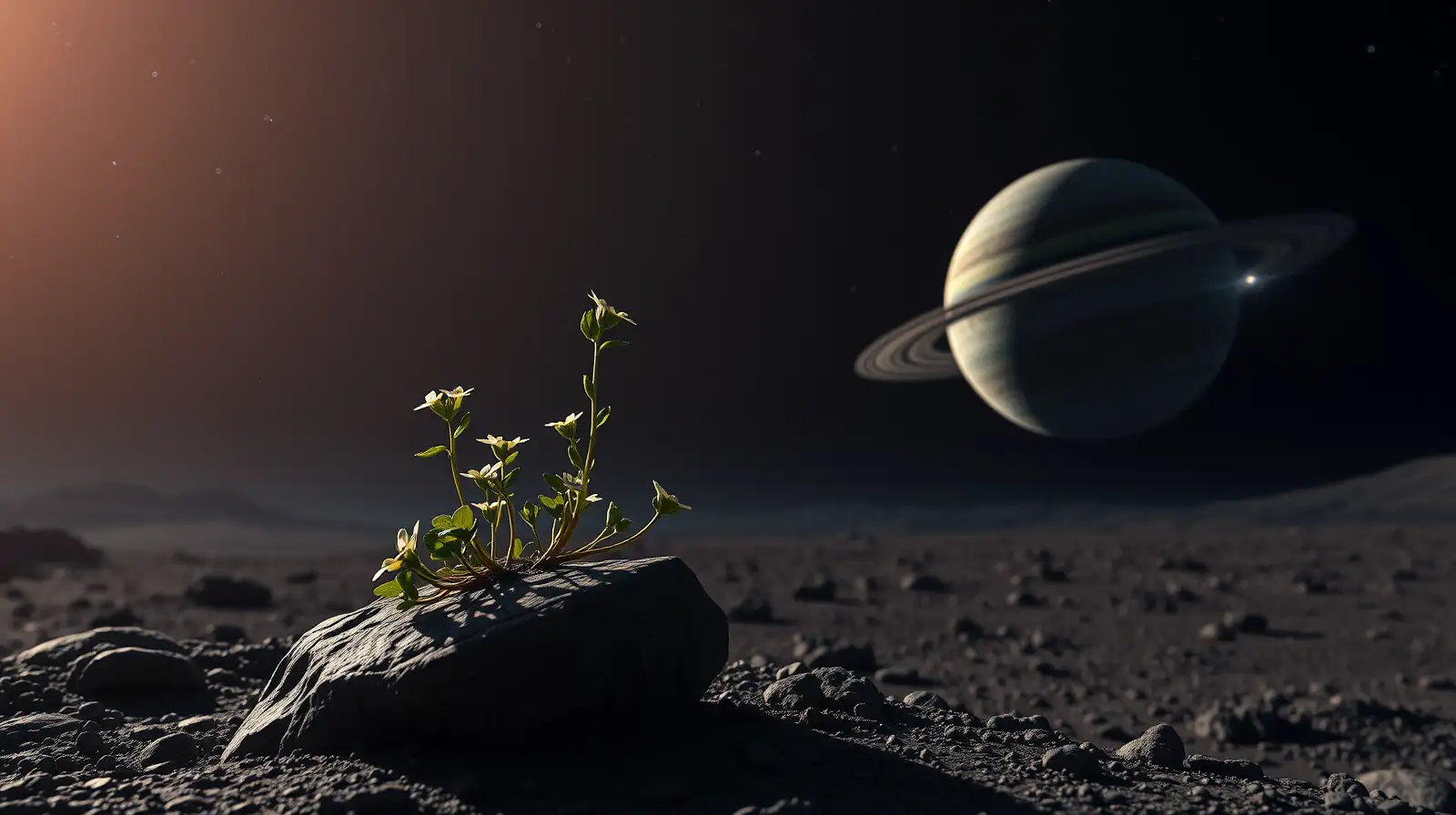
Scientists study these plants to understand how they cope with microgravity, radiation and the stress of an environment completely different from Earth.
The knowledge gained is essential if humans are to one day establish permanent settlements beyond our planet.
Experiments have shown that certain moss species tolerate intense radiation, freezing temperatures and other extreme conditions remarkably well. Their resilience makes them valuable candidates for studying how plants might survive on future space missions.
Although they cannot live indefinitely in open space, their ability to recover from severe stress has impressed researchers worldwide.
Because it grows quickly and has a well-understood genome, it has travelled to space on numerous missions. Scientists have observed how microgravity affects its roots, leaves, flowering and gene activity.
Plants That Can Survive Space Experiments
Can Plants Really Survive Space?
No ordinary plant can grow unprotected in the vacuum of space. However, several species have demonstrated an extraordinary ability to survive space-related experiments when exposed for limited periods or grown inside specially designed spacecraft.Scientists study these plants to understand how they cope with microgravity, radiation and the stress of an environment completely different from Earth.
The knowledge gained is essential if humans are to one day establish permanent settlements beyond our planet.
Mosses and Their Extraordinary Resilience
Among the toughest plant species studied are mosses. These simple plants can survive long periods of drying out before becoming active again when water returns.Experiments have shown that certain moss species tolerate intense radiation, freezing temperatures and other extreme conditions remarkably well. Their resilience makes them valuable candidates for studying how plants might survive on future space missions.
Although they cannot live indefinitely in open space, their ability to recover from severe stress has impressed researchers worldwide.
Arabidopsis Leads the Way
One of the most important plants in space research is Arabidopsis thaliana, a small flowering plant often called the "laboratory mouse" of botany.Because it grows quickly and has a well-understood genome, it has travelled to space on numerous missions. Scientists have observed how microgravity affects its roots, leaves, flowering and gene activity.
Next Story