
Which Inventions Do We Use Every Day Without Knowing Their Creators?

Every morning, we wake up surrounded by inventions that make life easier. We switch on lights, use mobile phones, brush our teeth, write with pens and travel using machines that were created through years of human creativity. Yet many of these inventions have become so normal that we rarely stop to think about who made them possible. Some inventors became famous worldwide, while others disappeared into history despite creating tools used by millions every day. The story of everyday inventions reveals a fascinating side of human progress, where ordinary objects often have extraordinary origins.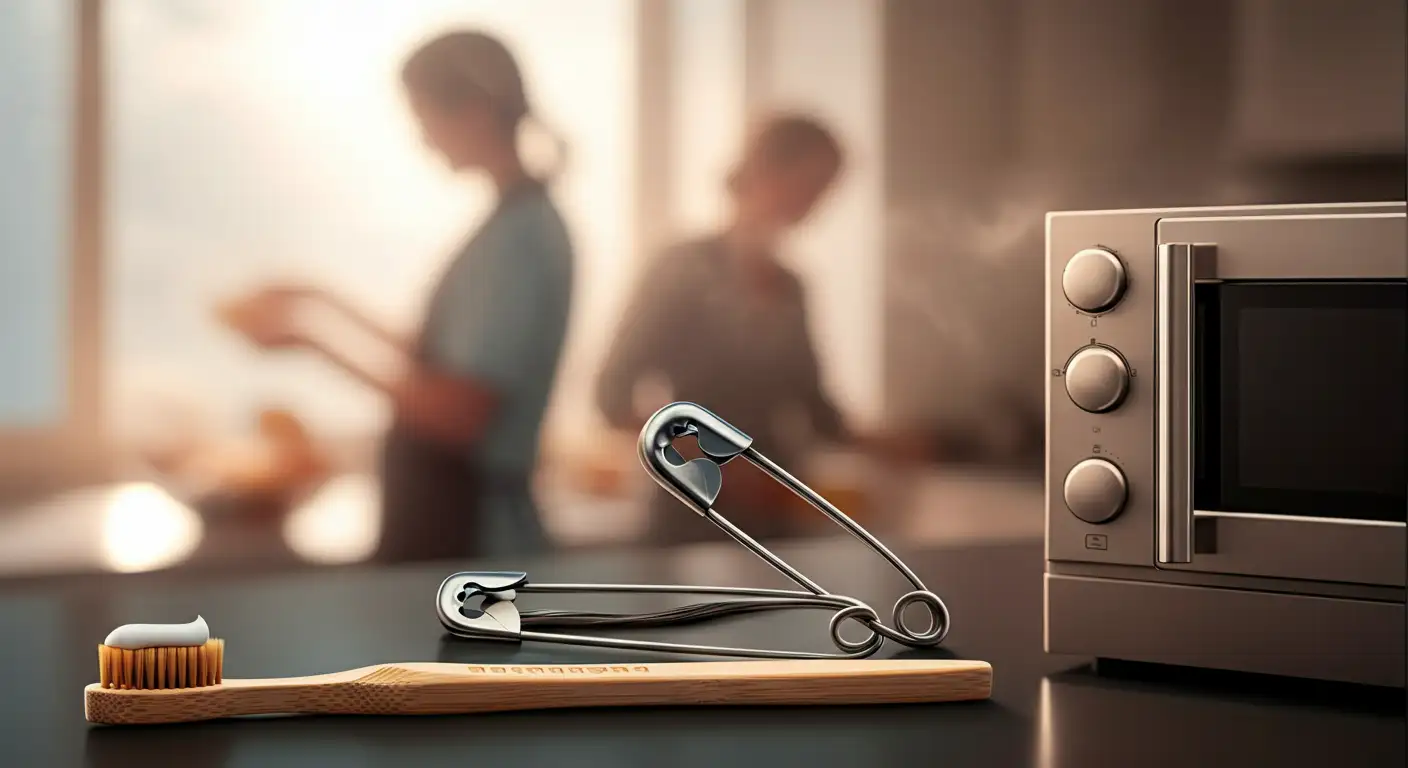
The first modern toothbrush design is often linked to William Addis, who created a version with a handle and bristles in the late 18th century. According to historical accounts, Addis developed the idea while imprisoned in England and later turned it into a successful business.
Today’s electric toothbrushes and advanced dental tools have evolved significantly, but the basic idea remains connected to this early design.
Although it seems like a small invention, the safety pin became useful worldwide for clothing repairs, sewing and countless practical situations.
Its success comes from its simple design, combining a sharp point, protective cover and flexible spring mechanism.
Percy Spencer, an engineer working with radar technology, noticed that microwave radiation from equipment caused a chocolate bar in his pocket to melt. This observation led to experiments that eventually created the microwave oven.
Today, millions of households use microwave technology daily without knowing the unusual discovery behind it.
The barcode was developed by Norman Joseph Woodland and Bernard Silver in the 1940s. Their idea transformed retail by allowing products to be tracked quickly and accurately.
Modern shopping, inventory management and supply chains depend heavily on this simple pattern of lines.
Unlike major inventions that receive attention, small tools like paper clips often become invisible because they work so naturally that people stop noticing them.
These inventions continue to influence modern life because they were designed around human needs. From healthcare and communication to shopping and personal hygiene, these simple ideas have become essential parts of society.
The Toothbrush: An Ancient Idea Improved Over Centuries
The toothbrush is one of the most common objects in modern life, but its history stretches back thousands of years. Ancient civilisations used chewing sticks made from plant materials to clean their teeth.The first modern toothbrush design is often linked to William Addis, who created a version with a handle and bristles in the late 18th century. According to historical accounts, Addis developed the idea while imprisoned in England and later turned it into a successful business.
Today’s electric toothbrushes and advanced dental tools have evolved significantly, but the basic idea remains connected to this early design.
The Safety Pin: A Simple Invention With a Global Impact
The safety pin is another everyday object whose inventor is often forgotten. Walter Hunt created the modern safety pin in 1849 while looking for a quick way to solve a financial problem.Although it seems like a small invention, the safety pin became useful worldwide for clothing repairs, sewing and countless practical situations.
Its success comes from its simple design, combining a sharp point, protective cover and flexible spring mechanism.
The Microwave Oven: A Kitchen Revolution Discovered by Accident
The microwave oven changed modern cooking, but its invention came from an unexpected discovery.Percy Spencer, an engineer working with radar technology, noticed that microwave radiation from equipment caused a chocolate bar in his pocket to melt. This observation led to experiments that eventually created the microwave oven.
Today, millions of households use microwave technology daily without knowing the unusual discovery behind it.
The Barcode: The Invisible System Behind Modern Shopping
Every time a product is scanned at a supermarket checkout, a barcode system is working silently in the background.The barcode was developed by Norman Joseph Woodland and Bernard Silver in the 1940s. Their idea transformed retail by allowing products to be tracked quickly and accurately.
Modern shopping, inventory management and supply chains depend heavily on this simple pattern of lines.
The Paper Clip: A Tiny Tool With a Mysterious History
The paper clip is used in offices, schools and homes worldwide, yet its exact origins are debated. Several designs appeared during the 19th century, with the famous Gem paper clip becoming one of the most recognised versions.Unlike major inventions that receive attention, small tools like paper clips often become invisible because they work so naturally that people stop noticing them.
Why Forgotten Inventors Matter Today
Many inventions that shape daily life were created by people whose names are rarely remembered. Their contributions show that innovation is not only about creating revolutionary machines but also about solving everyday problems.These inventions continue to influence modern life because they were designed around human needs. From healthcare and communication to shopping and personal hygiene, these simple ideas have become essential parts of society.
Next Story