
Why Seasons Change Around the World and What Causes Them

Every year, people around the world experience the changing rhythm of the seasons. Blossoms appear in spring, long sunny days arrive in summer, colourful leaves mark autumn and colder temperatures define winter. Yet while one part of the world enjoys warm weather, another may be wrapped in snow. These seasonal changes shape agriculture, wildlife, travel and daily life, but many people still believe they happen because Earth moves closer to or farther from the Sun. In reality, the explanation is far more fascinating. The changing seasons are mainly caused by the tilt of Earth's axis, which affects how sunlight reaches different parts of the planet throughout the year.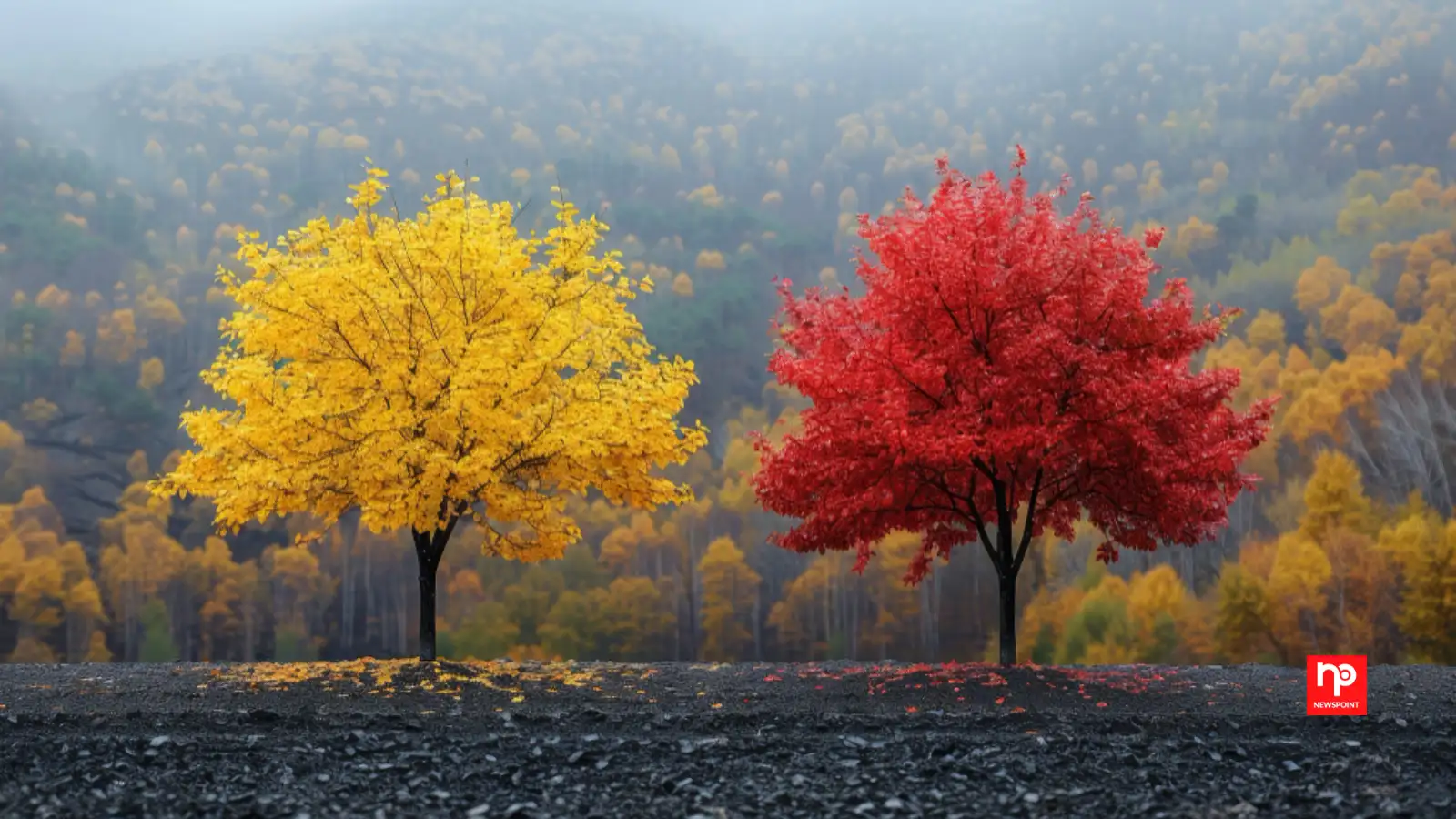
The real reason lies in Earth's axis, which is tilted by about 23.5 degrees. As Earth travels around the Sun, this tilt remains constant. During different times of the year, one hemisphere leans towards the Sun while the other leans away.
When a hemisphere is tilted towards the Sun, it receives more direct sunlight and enjoys longer days, leading to warmer temperatures and summer. At the same time, the opposite hemisphere receives less direct sunlight, resulting in shorter days and colder winter conditions.
For example, when it is summer in countries such as the United Kingdom, India and Canada, nations like Australia, New Zealand and Argentina are experiencing winter. Six months later, the situation is reversed.
This happens because the direction of Earth's tilt remains unchanged throughout its orbit. As the planet moves around the Sun, each hemisphere takes turns receiving the greatest amount of sunlight.
This balance helps regulate Earth's climate and supports the diverse ecosystems found across the globe.
During summer, the Sun rises earlier and sets later, providing more hours of daylight. In winter, daylight becomes much shorter as the Sun follows a lower path across the sky.
Regions closer to the poles experience the most dramatic changes. Some places inside the Arctic and Antarctic Circles enjoy the Midnight Sun during summer, where daylight lasts for 24 hours. In winter, the same areas may experience weeks of near-continuous darkness, known as Polar Night.
Closer to the Equator, however, day and night remain almost equal in length throughout the year, so seasonal temperature changes are much less noticeable.
During the spring and autumn equinoxes, day and night are nearly equal in length across most of the world. The summer solstice brings the year's longest day, while the winter solstice marks the shortest.
Another fascinating fact is that not every region experiences four distinct seasons. Tropical countries often have wet and dry seasons instead, while some desert regions experience very little seasonal variation despite significant differences between day and night temperatures.
Scientists have also found that changing seasons influence animal migration, flowering plants and even human sleep patterns due to variations in daylight.
Climate scientists also study seasonal patterns to monitor long-term environmental changes. Shifts in seasonal temperatures or rainfall can provide important clues about climate change and its effects on ecosystems.
For individuals, understanding the seasons helps explain everything from clothing choices and energy use to health, outdoor activities and food production.
Earth's Tilt Is the Real Reason for the Seasons
Contrary to a common misconception, the changing seasons are not caused by the distance between Earth and the Sun. In fact, Earth is slightly closer to the Sun during January than it is in July.The real reason lies in Earth's axis, which is tilted by about 23.5 degrees. As Earth travels around the Sun, this tilt remains constant. During different times of the year, one hemisphere leans towards the Sun while the other leans away.
When a hemisphere is tilted towards the Sun, it receives more direct sunlight and enjoys longer days, leading to warmer temperatures and summer. At the same time, the opposite hemisphere receives less direct sunlight, resulting in shorter days and colder winter conditions.
Why the Northern and Southern Hemispheres Have Opposite Seasons
One of the most interesting features of Earth's climate is that the Northern and Southern Hemispheres experience opposite seasons.For example, when it is summer in countries such as the United Kingdom, India and Canada, nations like Australia, New Zealand and Argentina are experiencing winter. Six months later, the situation is reversed.
This happens because the direction of Earth's tilt remains unchanged throughout its orbit. As the planet moves around the Sun, each hemisphere takes turns receiving the greatest amount of sunlight.
This balance helps regulate Earth's climate and supports the diverse ecosystems found across the globe.
Daylight Hours Also Change Throughout the Year
The tilt of Earth's axis affects not only temperature but also the length of the day.You may also like
- How to Stop Feeling Inferior?
- AMFI: AMFI has simplified the mutual fund transfer process; find out how you will benefit..
- 7 surprisingly 'big' plants you can grow on your balcony with the right care
- Meet the strange Amazon fish that 'climb' trees during flood season in search of fruit, seeds and survival and why seeing it is one of the world's greatest wildlife experiences
- For modern parents, trust begins with the ingredient list on foods
During summer, the Sun rises earlier and sets later, providing more hours of daylight. In winter, daylight becomes much shorter as the Sun follows a lower path across the sky.
Regions closer to the poles experience the most dramatic changes. Some places inside the Arctic and Antarctic Circles enjoy the Midnight Sun during summer, where daylight lasts for 24 hours. In winter, the same areas may experience weeks of near-continuous darkness, known as Polar Night.
Closer to the Equator, however, day and night remain almost equal in length throughout the year, so seasonal temperature changes are much less noticeable.
Lesser-Known Facts About the Seasons
The first official days of spring, summer, autumn and winter are marked by astronomical events called equinoxes and solstices.During the spring and autumn equinoxes, day and night are nearly equal in length across most of the world. The summer solstice brings the year's longest day, while the winter solstice marks the shortest.
Another fascinating fact is that not every region experiences four distinct seasons. Tropical countries often have wet and dry seasons instead, while some desert regions experience very little seasonal variation despite significant differences between day and night temperatures.
Scientists have also found that changing seasons influence animal migration, flowering plants and even human sleep patterns due to variations in daylight.
Why Understanding the Seasons Matters Today
The changing seasons affect nearly every aspect of life. Farmers depend on seasonal weather for planting and harvesting crops, while tourism often revolves around seasonal attractions such as beaches, ski resorts and autumn landscapes.Climate scientists also study seasonal patterns to monitor long-term environmental changes. Shifts in seasonal temperatures or rainfall can provide important clues about climate change and its effects on ecosystems.
For individuals, understanding the seasons helps explain everything from clothing choices and energy use to health, outdoor activities and food production.






Loving Newspoint? Download the app now
