
The Fastest Hunters in the Ocean and Their Incredible Hunting Skills

The ocean is home to some of the fastest and most efficient hunters on Earth. Beneath the waves, survival often depends on speed, precision and perfect timing. While the open sea may appear calm from above, an intense battle for survival takes place every day as predators chase fish, squid and other marine animals. Some rely on explosive bursts of speed, while others use teamwork, camouflage or remarkable intelligence to outsmart their prey. These incredible hunting strategies have evolved over millions of years, making ocean predators among the most specialised animals in nature. Understanding how they hunt offers a fascinating glimpse into the delicate balance of life beneath the surface.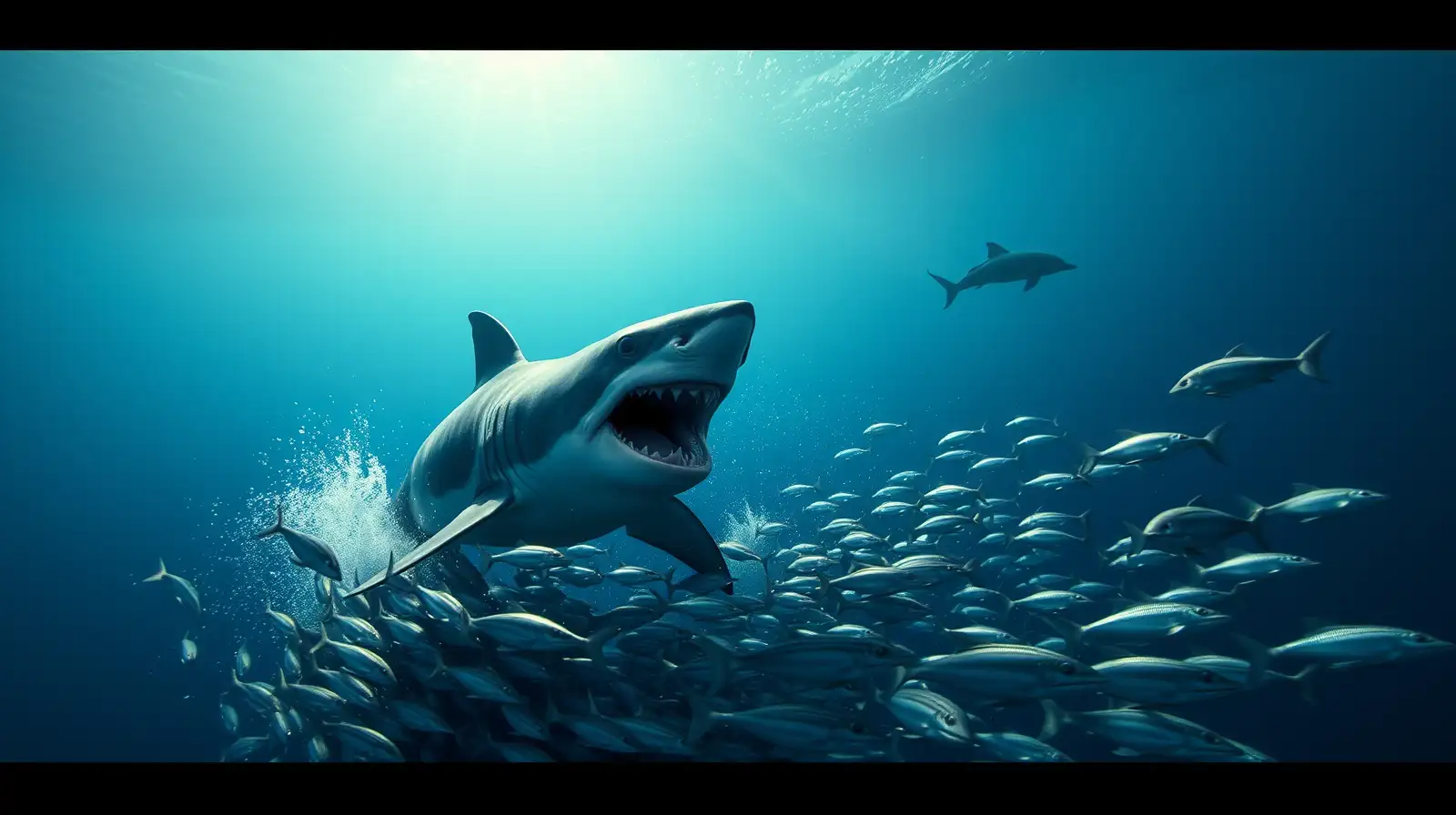
The sailfish is widely recognised as one of the fastest fish in the sea. Although exact speeds remain difficult to measure in the wild, scientists believe it can reach bursts of around 100 kilometres per hour. Its long, spear-like bill helps it slash through schools of fish, stunning several at once before feeding.
Another impressive hunter is the black marlin, which combines powerful muscles with a streamlined body to chase fast-moving prey across vast distances.
Makos use their speed to chase agile fish like tuna and mackerel in open water. Their streamlined bodies, strong tails and highly developed senses make them exceptionally efficient predators.
Great white sharks adopt a different strategy. Instead of long chases, they often rely on surprise attacks, approaching prey from below before launching powerful upward strikes.
Bottlenose dolphins often surround schools of fish, forcing them into tight groups before taking turns feeding. Some populations even create circles of mud to trap fish, demonstrating remarkable problem-solving abilities.
This teamwork enables dolphins to catch prey more efficiently while reducing the energy required for hunting.
Squid also display extraordinary hunting skills. Their rapid jet propulsion allows them to accelerate quickly, while powerful tentacles equipped with suction cups seize prey in an instant.
Even seabirds such as gannets become formidable ocean hunters by diving into the water at speeds exceeding 90 kilometres per hour to catch fish near the surface.
Some predators also adapt their hunting techniques depending on their location and available prey. This flexibility demonstrates advanced learning and behavioural intelligence that continues to fascinate marine scientists.
Researchers have found that healthy predator populations are essential for maintaining balanced marine ecosystems by preventing any single species from becoming overly abundant.
Protecting these animals helps preserve biodiversity, supports sustainable fisheries and contributes to healthier oceans. Marine protected areas and responsible fishing practices are becoming increasingly important in safeguarding these remarkable predators for future generations.
Speed Is the Ultimate Advantage
In the open ocean, there are few places for prey to hide. This means predators often rely on speed to catch their next meal before it escapes.The sailfish is widely recognised as one of the fastest fish in the sea. Although exact speeds remain difficult to measure in the wild, scientists believe it can reach bursts of around 100 kilometres per hour. Its long, spear-like bill helps it slash through schools of fish, stunning several at once before feeding.
Another impressive hunter is the black marlin, which combines powerful muscles with a streamlined body to chase fast-moving prey across vast distances.
Sharks Combine Power With Precision
Sharks are often portrayed as fearless hunters, but their success depends on far more than strength. Species such as the shortfin mako shark are among the fastest sharks in the world, capable of reaching speeds of about 70 kilometres per hour during short pursuits.Makos use their speed to chase agile fish like tuna and mackerel in open water. Their streamlined bodies, strong tails and highly developed senses make them exceptionally efficient predators.
Great white sharks adopt a different strategy. Instead of long chases, they often rely on surprise attacks, approaching prey from below before launching powerful upward strikes.
Dolphins Hunt With Intelligence
Unlike most marine predators, dolphins frequently hunt in groups. Their intelligence allows them to cooperate in ways rarely seen among ocean animals.Bottlenose dolphins often surround schools of fish, forcing them into tight groups before taking turns feeding. Some populations even create circles of mud to trap fish, demonstrating remarkable problem-solving abilities.
You may also like
- Amy Schumer Proudly Shows Her C Section Scar and Sends a Powerful Message to Moms
- Mastering Makeup Application for Every Face Shape
- Essential Tips for a Memorable Monsoon Jungle Safari
- Heavy rain to lash multiple states this week as IMD flags flood threat and thunderstorms; what travellers need to know
- Brad Pitt and Ines de Ramon Share Romantic Kiss at FIFA Match
This teamwork enables dolphins to catch prey more efficiently while reducing the energy required for hunting.
Smaller Predators Can Be Just as Impressive
Not every successful ocean hunter is enormous. Tuna are among the fastest swimmers in the sea, using constant movement and exceptional endurance to pursue smaller fish over long distances.Squid also display extraordinary hunting skills. Their rapid jet propulsion allows them to accelerate quickly, while powerful tentacles equipped with suction cups seize prey in an instant.
Even seabirds such as gannets become formidable ocean hunters by diving into the water at speeds exceeding 90 kilometres per hour to catch fish near the surface.
Surprising Facts About Ocean Hunters
One of the ocean's most unexpected predators is the orca, also known as the killer whale. Despite its name, the orca is actually the largest member of the dolphin family. It hunts cooperatively, using sophisticated communication and carefully coordinated strategies to catch fish, seals and even large whales.Some predators also adapt their hunting techniques depending on their location and available prey. This flexibility demonstrates advanced learning and behavioural intelligence that continues to fascinate marine scientists.
Researchers have found that healthy predator populations are essential for maintaining balanced marine ecosystems by preventing any single species from becoming overly abundant.
Why Ocean Predators Matter Today
Many of the ocean's fastest hunters face growing threats from overfishing, pollution, habitat degradation and climate change. Declining predator populations can disrupt entire food webs, affecting species at every level of the marine ecosystem.Protecting these animals helps preserve biodiversity, supports sustainable fisheries and contributes to healthier oceans. Marine protected areas and responsible fishing practices are becoming increasingly important in safeguarding these remarkable predators for future generations.






Loving Newspoint? Download the app now
