
Why Metal Bowls and Cold Butter Make Better Desserts

A baking recipe can seem foolproof on paper, yet the final result may turn out dense, greasy or uneven. Even when the measurements are accurate and the oven is at the right temperature, small details can make a noticeable difference. The type of mixing bowl you use and the temperature of your butter are two factors that often go overlooked but can significantly influence the texture of a dessert.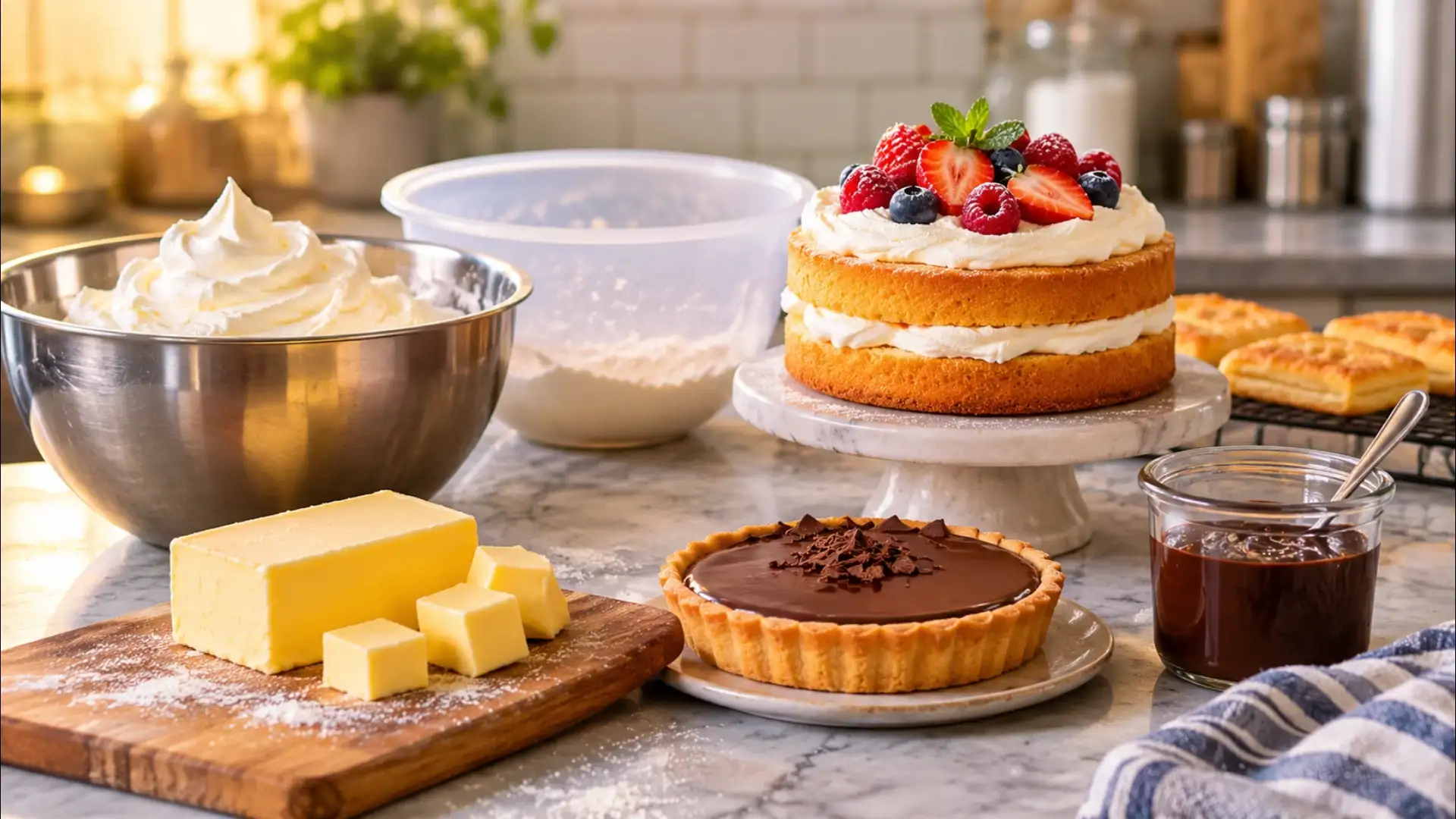
For instance, placing a metal bowl over ice water helps keep cream chilled while whipping. Cold temperatures allow the fat in cream to retain its structure and trap air, resulting in a light, fluffy consistency. If the cream becomes too warm, it may struggle to hold its shape.
Plastic bowls, on the other hand, are less effective at transferring heat. They tend to retain their existing temperature for longer, which can be inconvenient in a warm kitchen. Plastic surfaces can also retain traces of grease even after washing. While this may not affect every baking task, it can interfere with certain whipping processes. Metal bowls are therefore often preferred for temperature-sensitive preparations.
When butter is at the correct temperature, beating it with sugar incorporates tiny air pockets into the mixture. These pockets help create a lighter texture during baking. Butter that becomes excessively soft, oily or shiny may not retain enough air, potentially resulting in a dense cake with a greasy crumb.
Using butter straight from the refrigerator can also cause difficulties, as it may be too hard to blend evenly with sugar. A practical solution is to cut the butter into smaller cubes and leave it at room temperature for around 10 to 15 minutes. Pressing it gently with a finger is a useful way to check its consistency. It should yield slightly without appearing greasy.
For flaky pastry, keeping the butter cold is essential. As the pastry bakes, the butter melts and releases moisture, creating steam that helps form distinct layers. If the butter becomes too warm before baking, it may blend too thoroughly with the flour, producing a texture that is more crumbly than flaky. Chilling the dough between stages helps preserve these layers.
Ganache, made by combining chocolate and cream, also depends on controlled cooling. As the cocoa butter in chocolate solidifies, the mixture gradually thickens. The proportion of chocolate to cream determines whether the ganache becomes firm, spreadable or pourable. Cooling it too quickly may lead to an uneven or grainy texture. Allowing it to cool gradually before refrigerating can help produce a smoother finish.
Desserts such as panna cotta and mousse require time to set properly. Their texture develops as the mixture cools and its fat or gel structure stabilises. Placing them directly in the freezer may cause the outer layer to firm up faster than the centre. Refrigeration provides a more gradual and consistent setting process. Metal moulds can also help distribute the cooling effect more evenly.
Butter should be judged by its texture rather than simply by how long it has been sitting outside the refrigerator. It should feel cool and pliable, with a matte appearance. In a warm kitchen, it may reach the ideal consistency faster than expected.
Chilling instructions in a recipe are equally important. Refrigerating dough or allowing a dessert to cool gradually is not merely an optional step. These processes influence how ingredients behave and how the final texture develops.
In baking, even seemingly minor choices can affect the outcome. The bowl, the temperature of the ingredients and the time spent cooling all contribute to achieving the texture a recipe is meant to deliver.
Why Metal and Plastic Bowls Behave Differently
The material of a mixing bowl affects how quickly ingredients gain or lose heat. Metal bowls, particularly those made from stainless steel or aluminium, are excellent heat conductors. They respond quickly to temperature changes, making them useful when working with ingredients that need to remain cool.For instance, placing a metal bowl over ice water helps keep cream chilled while whipping. Cold temperatures allow the fat in cream to retain its structure and trap air, resulting in a light, fluffy consistency. If the cream becomes too warm, it may struggle to hold its shape.
Plastic bowls, on the other hand, are less effective at transferring heat. They tend to retain their existing temperature for longer, which can be inconvenient in a warm kitchen. Plastic surfaces can also retain traces of grease even after washing. While this may not affect every baking task, it can interfere with certain whipping processes. Metal bowls are therefore often preferred for temperature-sensitive preparations.
Getting Butter to the Right Consistency
Butter plays an important role in determining the texture of cakes, cookies and shortbread. For recipes that require creaming butter and sugar together, the butter should be soft enough to mix easily but firm enough to maintain its structure.When butter is at the correct temperature, beating it with sugar incorporates tiny air pockets into the mixture. These pockets help create a lighter texture during baking. Butter that becomes excessively soft, oily or shiny may not retain enough air, potentially resulting in a dense cake with a greasy crumb.
Using butter straight from the refrigerator can also cause difficulties, as it may be too hard to blend evenly with sugar. A practical solution is to cut the butter into smaller cubes and leave it at room temperature for around 10 to 15 minutes. Pressing it gently with a finger is a useful way to check its consistency. It should yield slightly without appearing greasy.
Why Certain Desserts Need to Stay Cold
Temperature control is particularly important when preparing pastry, ganache and chilled desserts.For flaky pastry, keeping the butter cold is essential. As the pastry bakes, the butter melts and releases moisture, creating steam that helps form distinct layers. If the butter becomes too warm before baking, it may blend too thoroughly with the flour, producing a texture that is more crumbly than flaky. Chilling the dough between stages helps preserve these layers.
You may also like
- A Madhya Pradesh river that residents say had become a foul-smelling drain has a 600-metre restored riverfront after a Rs 4.8 crore effort led by an IAS officer and 26 panchayat projects in Narsinghpur
- Amrita Rao says she kept her son away from TV and gadgets for his first five years, with husband RJ Anmol, and explains the thinking behind their screen-free parenting decision
- Bosch gives festive celebrations a rockstar twist with 'Make the Bosch Move'
- What Makes Some Skin More Prone to Eczema? Meet the Filaggrin Gene
- Working on Your Laptop in Bed? 6 Hidden Ways This Habit Can Affect Your Health and Job Performance
Ganache, made by combining chocolate and cream, also depends on controlled cooling. As the cocoa butter in chocolate solidifies, the mixture gradually thickens. The proportion of chocolate to cream determines whether the ganache becomes firm, spreadable or pourable. Cooling it too quickly may lead to an uneven or grainy texture. Allowing it to cool gradually before refrigerating can help produce a smoother finish.
Desserts such as panna cotta and mousse require time to set properly. Their texture develops as the mixture cools and its fat or gel structure stabilises. Placing them directly in the freezer may cause the outer layer to firm up faster than the centre. Refrigeration provides a more gradual and consistent setting process. Metal moulds can also help distribute the cooling effect more evenly.
Simple Baking Habits That Improve Results
Choosing the right bowl and maintaining the correct ingredient temperature can make baking more predictable. Metal bowls are useful for whipping chilled cream, cooling ganache and handling pastry dough. Plastic bowls remain suitable for dry ingredients, general mixing and storage when temperature control is not particularly important.Butter should be judged by its texture rather than simply by how long it has been sitting outside the refrigerator. It should feel cool and pliable, with a matte appearance. In a warm kitchen, it may reach the ideal consistency faster than expected.
Chilling instructions in a recipe are equally important. Refrigerating dough or allowing a dessert to cool gradually is not merely an optional step. These processes influence how ingredients behave and how the final texture develops.
In baking, even seemingly minor choices can affect the outcome. The bowl, the temperature of the ingredients and the time spent cooling all contribute to achieving the texture a recipe is meant to deliver.






Loving Newspoint? Download the app now
