
Vastu Shastra's Guide to Plants at Your Home Entrance

The doorway is where the home meets the world, and vastu shastra treats it as the point through which energy, called prana in the tradition, first enters a living space. Plants at the entrance are not merely decorative in this framework; they are considered active participants in the quality of that energy. The tradition's guidance on them is specific, rooted in the directions of the compass, the nature of the plant, and the shape of its leaves.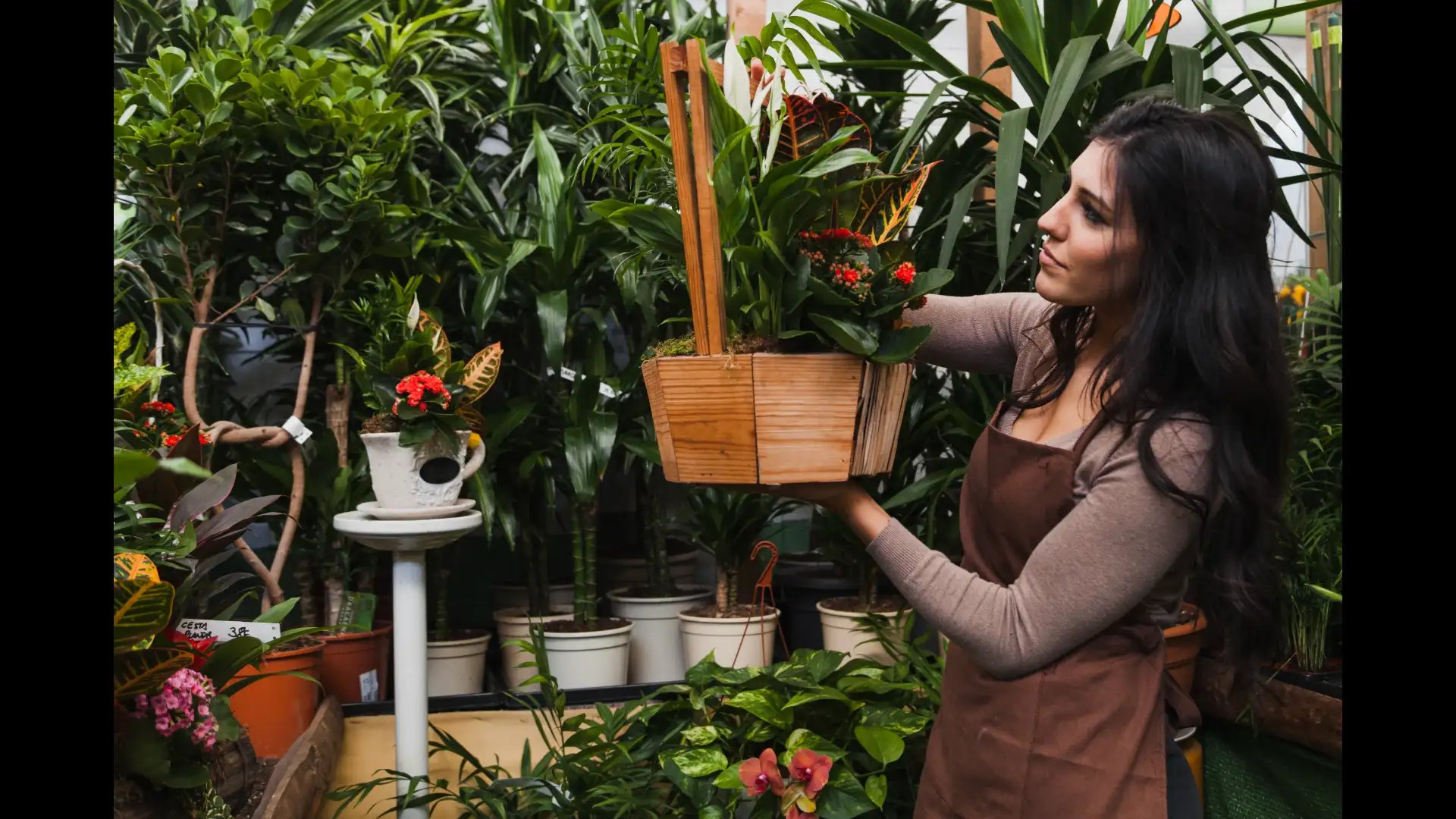
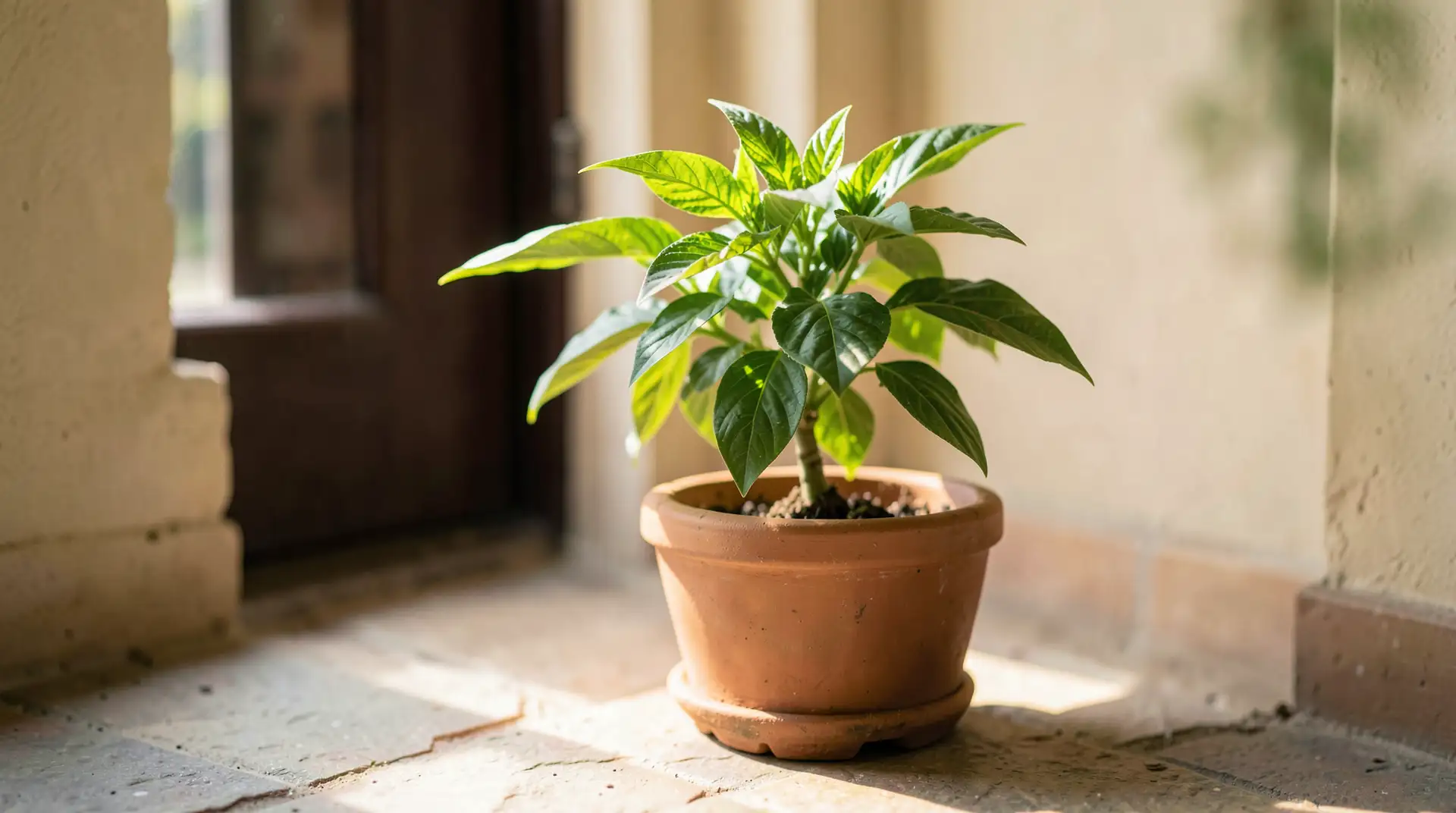
Vastu shastra's guidance on entrance plants draws from a consistent internal logic, the direction of the door, the nature of the plant, the quality of its growth, and the shape of its form all work together in the tradition's framework. Whether one follows the shastra closely or simply finds its observations a useful starting point, the underlying instinct, that a well-tended, living threshold changes how a home feels from the first step, is one most people recognise without needing a tradition to name it.
Tulsi: The Plant Vastu Places Above All Others
Vastu shastra consistently holds the tulsi plant in the highest regard for any home entrance, particularly when the main door faces north, east, or northeast. In the tradition, tulsi is considered a purifying presence, one that clears the air around a threshold and invites what the shastra calls positive energy into the home. The plant is ideally kept in a small raised planter or a dedicated stand, never directly on bare ground at the doorstep. Vastu practitioners note that the tulsi should receive morning sunlight, which aligns naturally with east-facing entrances. Where an entrance faces south or west, vastu shastra does not prohibit tulsi but suggests placing it slightly to the north or east side of the doorway rather than directly in front of it.Thorny Plants and Cactus: What the Tradition Cautions Against
Among the clearest positions vastu shastra takes is its caution against thorny plants at or near the main entrance. Cacti, rose bushes in full thorn, and similar plants with sharp protrusions are considered, in the tradition's language, to create an energy of resistance at the threshold, the opposite of the welcoming quality a doorway is meant to carry. This is not a prohibition on these plants entirely; vastu shastra places them in backyards or interior courtyards where their character is considered less consequential. The reasoning the tradition gives is symbolic: a threshold lined with thorns signals, in the language of the space, that the home is closed rather than open.Money Plant and Bamboo: Popular Choices and What Vastu Says
Money plant, known in many Indian homes as pothos, is held in vastu shastra to be well-suited for entrances that face north or east. The tradition associates the north direction with prosperity and the east with health, and the money plant's trailing, abundant growth is seen as consistent with both. Vastu shastra holds that the plant should be kept in a healthy, growing state, a wilting or yellowing money plant at the entrance is considered inauspicious in the tradition, not because of any physical harm, but because a dying plant at the threshold is read as a sign of declining energy in the space. Lucky bamboo, typically arranged in stalks placed in water or soil, is considered by vastu shastra to carry a calming, stabilising quality. The tradition places it well for entrances facing east or southeast, and notes that the number of stalks carries meaning within the framework, though the specific numerology varies by regional vastu tradition.Leaf Shape, Direction, and a Few Broader Principles
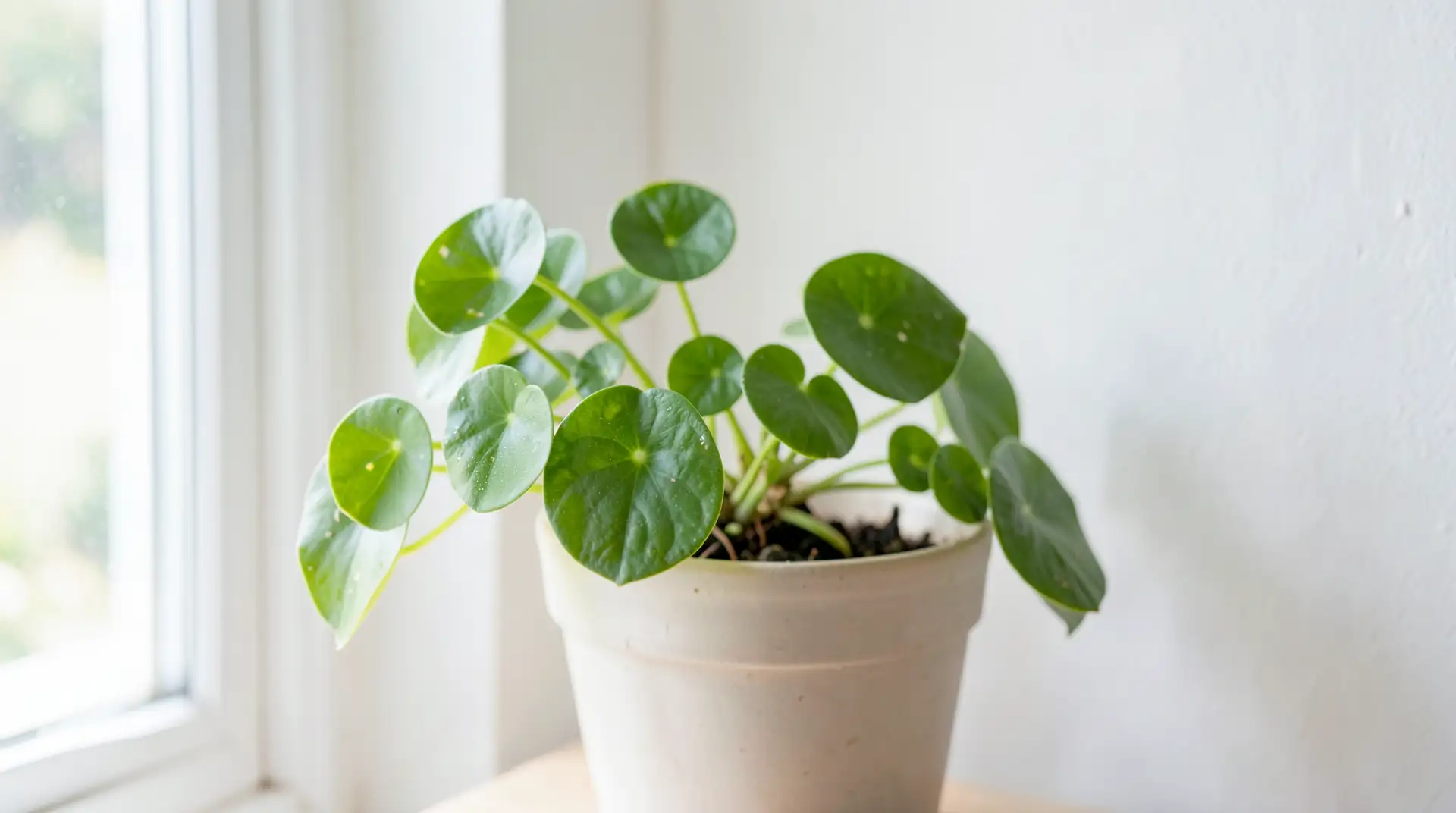
Vastu shastra pays attention to the shape of leaves when advising on entrance plants. Round or oval leaves are generally favoured in the tradition, associated with a smooth, unobstructed flow of energy. Long, pointed, or sword-shaped leaves, as found in certain ornamental plants like mother-in-law's tongue when placed directly at the entrance, are treated with more caution, for reasons similar to the thorn logic: sharp forms are considered to create an energy of division rather than welcome. The tradition also holds that plants at the entrance should be in good health and well-maintained. A pot of dry soil, a plant with dead branches left untrimmed, or an overcrowded planter pressed against the door frame are all seen in vastu shastra as obstacles to the flow it considers beneficial. The physical reasoning here overlaps with the symbolic one: a cluttered or unhealthy entrance, whatever the tradition behind the observation, does affect how a space feels to enter.Vastu shastra's guidance on entrance plants draws from a consistent internal logic, the direction of the door, the nature of the plant, the quality of its growth, and the shape of its form all work together in the tradition's framework. Whether one follows the shastra closely or simply finds its observations a useful starting point, the underlying instinct, that a well-tended, living threshold changes how a home feels from the first step, is one most people recognise without needing a tradition to name it.
Next Story