
Why Yoga Works: Understanding the Science Behind India’s Global Wellness Practice

For thousands of years, yoga has been practised across India as a way to create harmony between the body and mind. What was once considered a spiritual discipline has now become a global wellness movement supported by scientific research. Millions of people around the world practise yoga to improve flexibility, manage stress and maintain physical health. However, yoga is much more than a series of stretching exercises. Behind every posture and breathing technique lies a deeper understanding of human biology, movement and mental wellbeing. Modern science is now discovering what ancient Indian traditions have explored for centuries: that the connection between the body and mind plays a powerful role in overall health.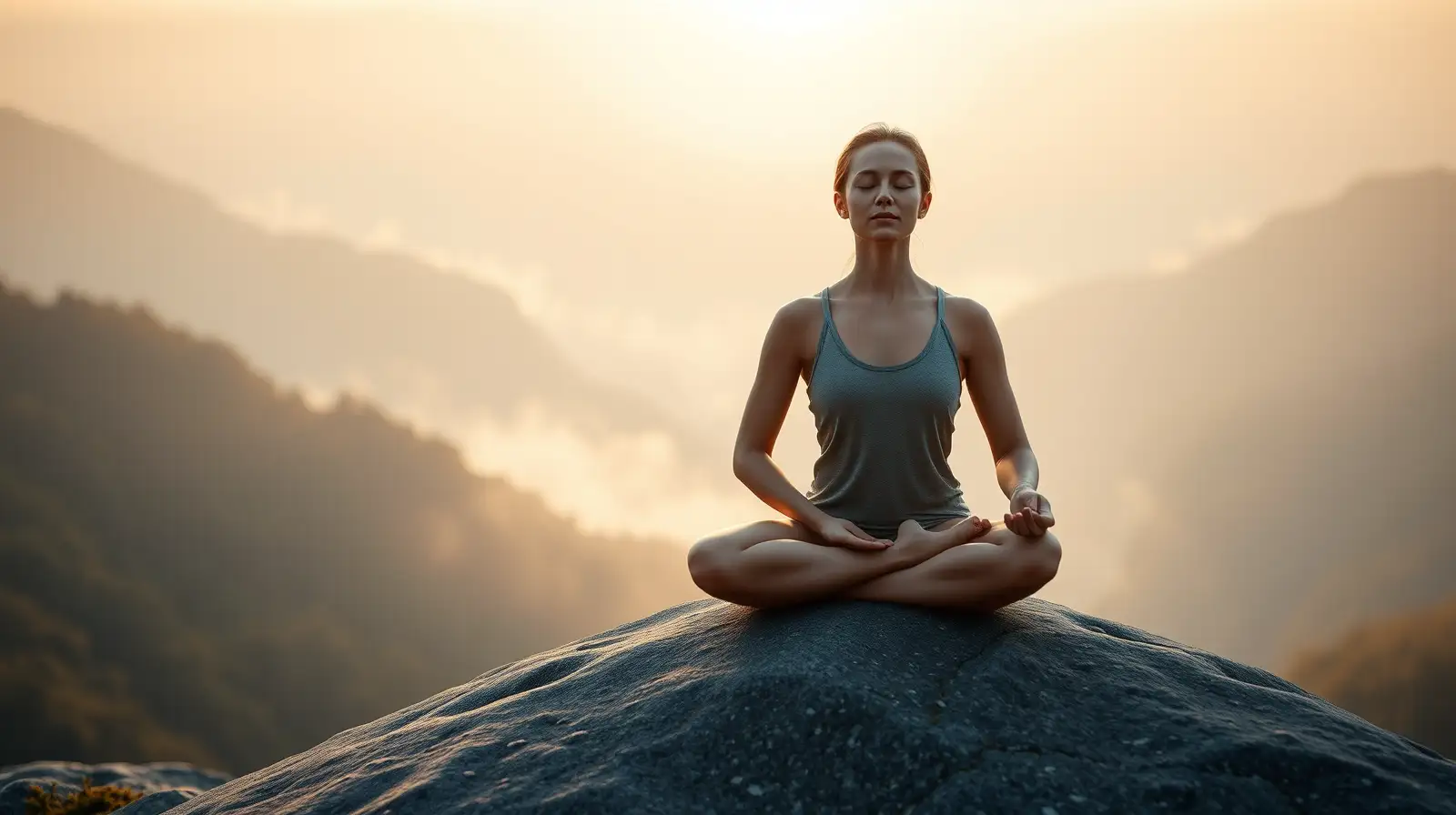
Unlike many modern fitness routines, traditional yoga was not created only to build physical strength. It focused on developing awareness, concentration and balance. Different regions of India contributed to its evolution, creating diverse styles that are practised worldwide today.
The spread of yoga beyond India increased significantly during the 20th century, when teachers introduced its methods to international audiences.
Breathing techniques, called pranayama, influence the respiratory system by encouraging controlled breathing patterns. Slow and steady breathing can activate the body’s relaxation response, helping reduce stress levels.
Yoga also affects the nervous system. Studies have shown that mindfulness and meditation practices can influence brain activity, improving focus and emotional regulation.
The connection between movement and breathing is one of yoga’s unique features. Unlike many exercises that focus mainly on physical performance, yoga combines physical activity with mental concentration.
Artificial intelligence-based fitness platforms can now analyse movement patterns and provide suggestions for improving posture. Virtual reality technology is also being explored to create immersive wellness experiences.
These developments show how ancient practices can adapt to modern lifestyles while maintaining their original purpose.
Another lesser-known detail is that yoga includes hundreds of different poses, each designed with specific physical and mental benefits.
Yoga has also been studied in areas beyond fitness, including workplace wellness, sports performance and rehabilitation programmes.
Its accessibility is another reason for its popularity. People of different ages and fitness levels can practise modified forms of yoga according to their abilities.
In a world increasingly influenced by technology and fast-paced routines, yoga offers a reminder of the importance of balance and self-awareness.
The Ancient Origins of Yoga in India
Yoga has deep roots in Indian history, with references appearing in ancient texts such as the Yoga Sutras of Patanjali. Over centuries, yoga developed into different forms, combining physical postures, breathing exercises, meditation and philosophical practices.Unlike many modern fitness routines, traditional yoga was not created only to build physical strength. It focused on developing awareness, concentration and balance. Different regions of India contributed to its evolution, creating diverse styles that are practised worldwide today.
The spread of yoga beyond India increased significantly during the 20th century, when teachers introduced its methods to international audiences.
The Science Behind Yoga and the Human Body
Modern research has helped explain why yoga produces positive effects on the body. Physical postures, known as asanas, improve flexibility, muscle strength and joint mobility. Regular practice can also support better posture and body awareness.Breathing techniques, called pranayama, influence the respiratory system by encouraging controlled breathing patterns. Slow and steady breathing can activate the body’s relaxation response, helping reduce stress levels.
Yoga also affects the nervous system. Studies have shown that mindfulness and meditation practices can influence brain activity, improving focus and emotional regulation.
The connection between movement and breathing is one of yoga’s unique features. Unlike many exercises that focus mainly on physical performance, yoga combines physical activity with mental concentration.
How Technology Is Changing the Way People Practise Yoga
Technology has introduced new ways for people to learn and practise yoga. Online classes, mobile applications and wearable fitness devices have made yoga accessible to people who may not have access to traditional instructors.You may also like
- What's the difference between ECR and ECNR on an Indian passport, and who needs it?
- FIFA World Cup 2026: From the goose-bump inducing Viking clap to Mexico “adopting” South Korea, football has always been about the people in the stands. The fans.
- Boden swimsuit is 'really flattering especially around the belly' - now 30% cheaper
- How to Choose the Right Feeding Bottle for Your Newborn
- Last chance to get £2k watch for £188 with free next day delivery for Father's Day
Artificial intelligence-based fitness platforms can now analyse movement patterns and provide suggestions for improving posture. Virtual reality technology is also being explored to create immersive wellness experiences.
These developments show how ancient practices can adapt to modern lifestyles while maintaining their original purpose.
Lesser-Known Facts About Yoga
One interesting fact is that yoga was not originally designed as a form of exercise. The physical aspects of yoga were developed as part of a larger system focused on discipline, awareness and mental clarity.Another lesser-known detail is that yoga includes hundreds of different poses, each designed with specific physical and mental benefits.
Yoga has also been studied in areas beyond fitness, including workplace wellness, sports performance and rehabilitation programmes.
Why Yoga Matters in Today’s World
Modern lifestyles often involve long working hours, increased screen usage and high levels of stress. Yoga provides a simple approach to maintaining physical activity while supporting mental wellbeing.Its accessibility is another reason for its popularity. People of different ages and fitness levels can practise modified forms of yoga according to their abilities.
In a world increasingly influenced by technology and fast-paced routines, yoga offers a reminder of the importance of balance and self-awareness.






More from our partners


Loving Newspoint? Download the app now
