
Healthy Indian Superfoods: Everyday Ingredients That Support Energy, Immunity, and Wellness

Indian kitchens have always been more than places where meals are prepared. They are spaces where generations have preserved knowledge about nutrition, healing, and balance. Many ingredients used in traditional Indian cooking , from turmeric and lentils to millets and amla, are now gaining worldwide attention for their impressive health benefits. These healthy Indian foods are often rich in vitamins, minerals, antioxidants, fibre, and plant-based compounds that support the body in different ways. While the term “superfood” may sound modern, many Indian superfoods have been part of everyday diets for centuries, proving that good nutrition often begins with simple, familiar ingredients.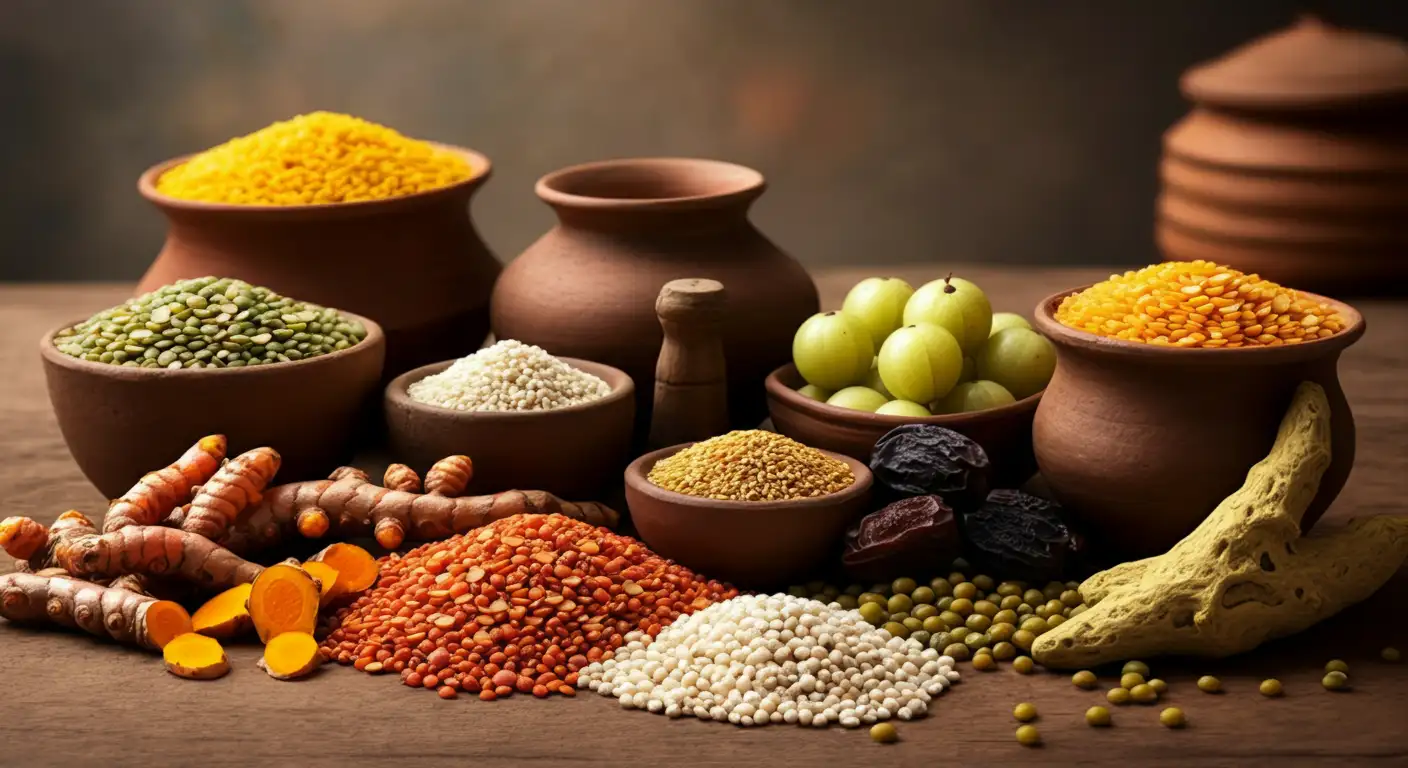
Traditional Indian diets were built around variety. Meals usually included grains, pulses, vegetables, spices, fermented foods, and seasonal ingredients. This combination provided a wide range of nutrients needed for energy, immunity, and overall health.
Many healthy Indian foods that were once considered ordinary household ingredients are now being recognised globally for their benefits.
Adding turmeric to dishes such as curries, soups, and vegetables is a simple way to increase the nutritional value of meals. Traditionally, turmeric milk, often called haldi doodh, has been used in Indian households as a comforting drink during seasonal illnesses.
An interesting fact is that black pepper can improve the body’s absorption of curcumin. This is why many Indian recipes combine turmeric with spices such as pepper.
Millets such as ragi, jowar, and bajra are naturally rich in fibre, minerals, and complex carbohydrates. They provide steady energy and can help people feel fuller for longer.
Ragi, also known as finger millet, is particularly valued for its calcium content, making it a useful food for supporting bone health. Bajra contains important minerals such as iron and magnesium, which play roles in energy production and body functions.
Vitamin C supports immune function and helps protect cells from oxidative stress. Amla also contains plant compounds called polyphenols, which contribute to its antioxidant properties.
Despite its strong sour taste, amla remains popular because of its impressive nutritional value.
For people following vegetarian diets, pulses are especially valuable because they help meet daily protein requirements. Combining lentils with grains such as rice or wheat creates a more complete amino acid profile.
A simple bowl of dal is therefore not just a comfort food, but also a nutrient-rich meal.
Flaxseeds, for example, contain omega-3 fatty acids and fibre, while sesame seeds are rich in calcium and other minerals.
Adding a small amount of nuts and seeds to breakfast, snacks, or meals can improve overall nutritional intake.
The gut plays an important role in digestion, immunity, and even communication with the brain. Maintaining a healthy gut microbiome has become a major area of modern nutritional research.
Traditional foods created through natural fermentation are now being studied for their role in supporting digestive wellbeing.
Returning to nutrient-rich Indian foods does not mean following a complicated diet. Many of the healthiest choices are already available in local markets and kitchens.
Seasonal fruits, homemade meals, traditional grains, and balanced combinations of foods can provide excellent nutrition without relying on expensive products.
The growing popularity of these foods shows that traditional knowledge and modern nutrition science can work together.
Healthy Indian Foods That Are Superfoods: Traditional Ingredients for Better Health
The Indian Kitchen’s Forgotten Nutritional Power
The idea of superfoods has become popular in recent years, with many people searching for foods that provide exceptional nutritional value. However, India has a long history of using naturally nutrient-rich ingredients as part of daily meals.Traditional Indian diets were built around variety. Meals usually included grains, pulses, vegetables, spices, fermented foods, and seasonal ingredients. This combination provided a wide range of nutrients needed for energy, immunity, and overall health.
Many healthy Indian foods that were once considered ordinary household ingredients are now being recognised globally for their benefits.
Turmeric: The Golden Spice With Powerful Properties
Turmeric is one of the most well-known Indian superfoods. Used for centuries in Indian cooking and traditional practices, turmeric contains curcumin, a natural compound studied for its antioxidant and anti-inflammatory properties.Adding turmeric to dishes such as curries, soups, and vegetables is a simple way to increase the nutritional value of meals. Traditionally, turmeric milk, often called haldi doodh, has been used in Indian households as a comforting drink during seasonal illnesses.
An interesting fact is that black pepper can improve the body’s absorption of curcumin. This is why many Indian recipes combine turmeric with spices such as pepper.
Millets: Ancient Grains Making a Modern Comeback
Millets were once a staple food across many parts of India before rice and wheat became dominant in many diets. Today, these ancient grains are returning because of their impressive nutritional profile.Millets such as ragi, jowar, and bajra are naturally rich in fibre, minerals, and complex carbohydrates. They provide steady energy and can help people feel fuller for longer.
Ragi, also known as finger millet, is particularly valued for its calcium content, making it a useful food for supporting bone health. Bajra contains important minerals such as iron and magnesium, which play roles in energy production and body functions.
Amla: India’s Vitamin C Powerhouse
Indian gooseberry, commonly known as amla, is one of the richest natural sources of vitamin C. This small green fruit has been used in Ayurveda for generations and is often included in pickles, juices, and powders.Vitamin C supports immune function and helps protect cells from oxidative stress. Amla also contains plant compounds called polyphenols, which contribute to its antioxidant properties.
Despite its strong sour taste, amla remains popular because of its impressive nutritional value.
Lentils and Pulses: Everyday Protein Sources
Dal is one of the most common foods in Indian households, but its nutritional importance is sometimes overlooked. Lentils, chickpeas, kidney beans, and other pulses provide plant-based protein, fibre, and essential minerals.For people following vegetarian diets, pulses are especially valuable because they help meet daily protein requirements. Combining lentils with grains such as rice or wheat creates a more complete amino acid profile.
A simple bowl of dal is therefore not just a comfort food, but also a nutrient-rich meal.
Nuts and Seeds: Small Foods With Big Benefits
Indian diets traditionally include several nutrient-dense nuts and seeds. Almonds, walnuts, flaxseeds, sesame seeds, and chia seeds provide healthy fats, protein, minerals, and antioxidants.Flaxseeds, for example, contain omega-3 fatty acids and fibre, while sesame seeds are rich in calcium and other minerals.
Adding a small amount of nuts and seeds to breakfast, snacks, or meals can improve overall nutritional intake.
Fermented Indian Foods and Gut Health
Foods such as idli, dosa batter, curd, and homemade pickles highlight India’s long tradition of fermentation. Fermented foods contain beneficial microorganisms that support gut health.The gut plays an important role in digestion, immunity, and even communication with the brain. Maintaining a healthy gut microbiome has become a major area of modern nutritional research.
Traditional foods created through natural fermentation are now being studied for their role in supporting digestive wellbeing.
Why Healthy Indian Foods Matter Today
Modern lifestyles have increased the popularity of processed foods, refined sugars, and convenience meals. While these foods may save time, diets lacking essential nutrients can affect energy levels and long-term health.Returning to nutrient-rich Indian foods does not mean following a complicated diet. Many of the healthiest choices are already available in local markets and kitchens.
Seasonal fruits, homemade meals, traditional grains, and balanced combinations of foods can provide excellent nutrition without relying on expensive products.
The Future of Indian Superfoods
As global interest in sustainable and plant-based nutrition grows, many Indian foods are finding new appreciation worldwide. Millets, spices, pulses, and traditional ingredients are being explored not only for health benefits but also for their environmental advantages.The growing popularity of these foods shows that traditional knowledge and modern nutrition science can work together.
Next Story