
Vastu Shastra Rules for Placing Mirrors at Home

A mirror does two things at once: it bounces light and it doubles whatever sits in front of it. Vastu shastra treats both effects as significant, which is why the tradition has specific views on where a mirror belongs, where it does not, and what it should never be allowed to reflect.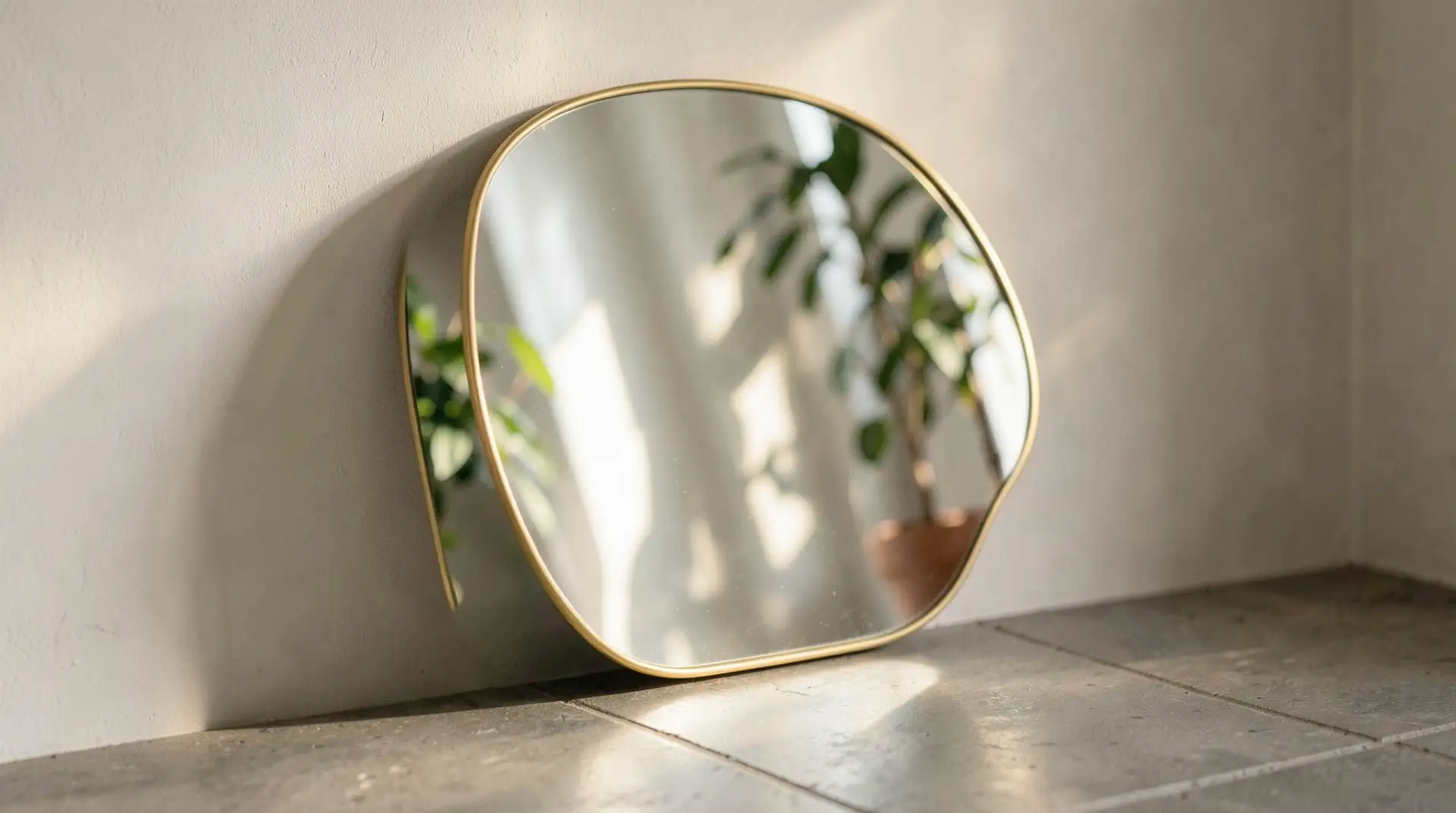
Vastu shastra does not treat mirrors as decorative afterthoughts. Within the tradition, they function as amplifiers, of light, of space, and of whatever quality a direction or a reflection carries. The consistent thread across all these guidelines is the idea that a mirror should double something worth doubling: light, openness, the meal on the table. Where that condition is met, the tradition and simple common sense tend to agree.
The North and East Walls Are Preferred
In vastu shastra, the north is associated with the planet Mercury and with prosperity, while the east is linked to the sun and to new beginnings. Placing mirrors on these walls is considered auspicious because the reflection faces south or west, directions the tradition associates with releasing rather than accumulating. A mirror on the north wall of a living room or study is among the most commonly recommended placements in the tradition, and the reasoning is consistent across most vastu texts: it is said to amplify the positive qualities associated with that direction.South and West Walls Are Generally Avoided
Vastu shastra advises against fixing mirrors on south or west walls. The south is associated with Yama, the deity of endings, and the tradition holds that a mirror on this wall reflects energy back into the space in a way that creates restlessness. The west is considered less problematic than the south but still secondary. If a bathroom or a built-in wardrobe forces a mirror onto one of these walls, the tradition suggests keeping it covered when not in use, a practical compromise that appears frequently in popular vastu guidance.You may also like
- Jaden Smith opened a restaurant where money does not decide who eats. No fixed prices, nobody turned away, and people pay what they can to help others eat.
- Electric Kettle Uses: Not just for heating water—make these 7 things in an electric kettle..
- Trust and transparency are crucial in the pre-owned luxury car market: Manzil Pathan
- From folk traditions to Gen Z relationships: Ayaz Gorakhpuri on finding poetry in everyday life
- She returned to Bihar after studying engineering and working abroad; Shweta Suman is now building AI-powered semiconductor design tools and showcased her startup at SEMICON India 2026
What the Mirror Reflects Matters as Much as Where It Hangs
Vastu shastra places considerable weight on what a mirror doubles. A mirror that reflects a cluttered corner, an overflowing bin, or a dark, unused space is said to amplify those qualities. Conversely, a mirror that reflects a window, a plant, or an open, well-lit area is considered beneficial because it doubles light and openness. This is one of the few vastu principles that also has a straightforward physical explanation: a room genuinely looks larger and feels brighter when a mirror faces a window. The tradition and the physics arrive at the same recommendation by different routes.The Bedroom Deserves Special Attention
Mirrors in the bedroom are treated cautiously in vastu shastra. The tradition holds that a mirror directly facing the bed, so that a sleeping person sees their own reflection, disturbs rest and creates an unsettled quality in the room. The concern is that the mirror is said to reflect and amplify the body's energy during sleep in a way that prevents deep rest. Wardrobe mirrors that face the bed are the most common source of this issue in modern homes. Vastu guidance typically suggests angling the wardrobe door, keeping it shut at night, or placing a cloth over the mirror before sleeping. A mirror on a side wall, positioned so that the bed is not directly reflected, is considered acceptable.Entrances, Dining Areas, and Staircases
A mirror near the main entrance that reflects the door directly is considered inauspicious in vastu shastra, on the grounds that it sends incoming energy back out before it can settle in the home. Positioning a mirror to the side of an entrance, so that it reflects the interior rather than the door itself, is the recommended alternative. The dining area is one of the more enthusiastically endorsed placements in the tradition: a mirror that reflects the dining table is said to symbolically double abundance. Staircases are more nuanced, a mirror at the base of a staircase is generally discouraged because it is said to reflect energy downward, working against the upward movement the staircase represents.Vastu shastra does not treat mirrors as decorative afterthoughts. Within the tradition, they function as amplifiers, of light, of space, and of whatever quality a direction or a reflection carries. The consistent thread across all these guidelines is the idea that a mirror should double something worth doubling: light, openness, the meal on the table. Where that condition is met, the tradition and simple common sense tend to agree.






Loving Newspoint? Download the app now
