
How to Actually Sleep on an Overnight Train or Bus in India

Millions of Indians board overnight trains and buses every week, yet most step off the next morning stiff-necked and hollow-eyed. The problem is rarely the journey itself, it is arriving unprepared for the specific ways these vehicles fight sleep.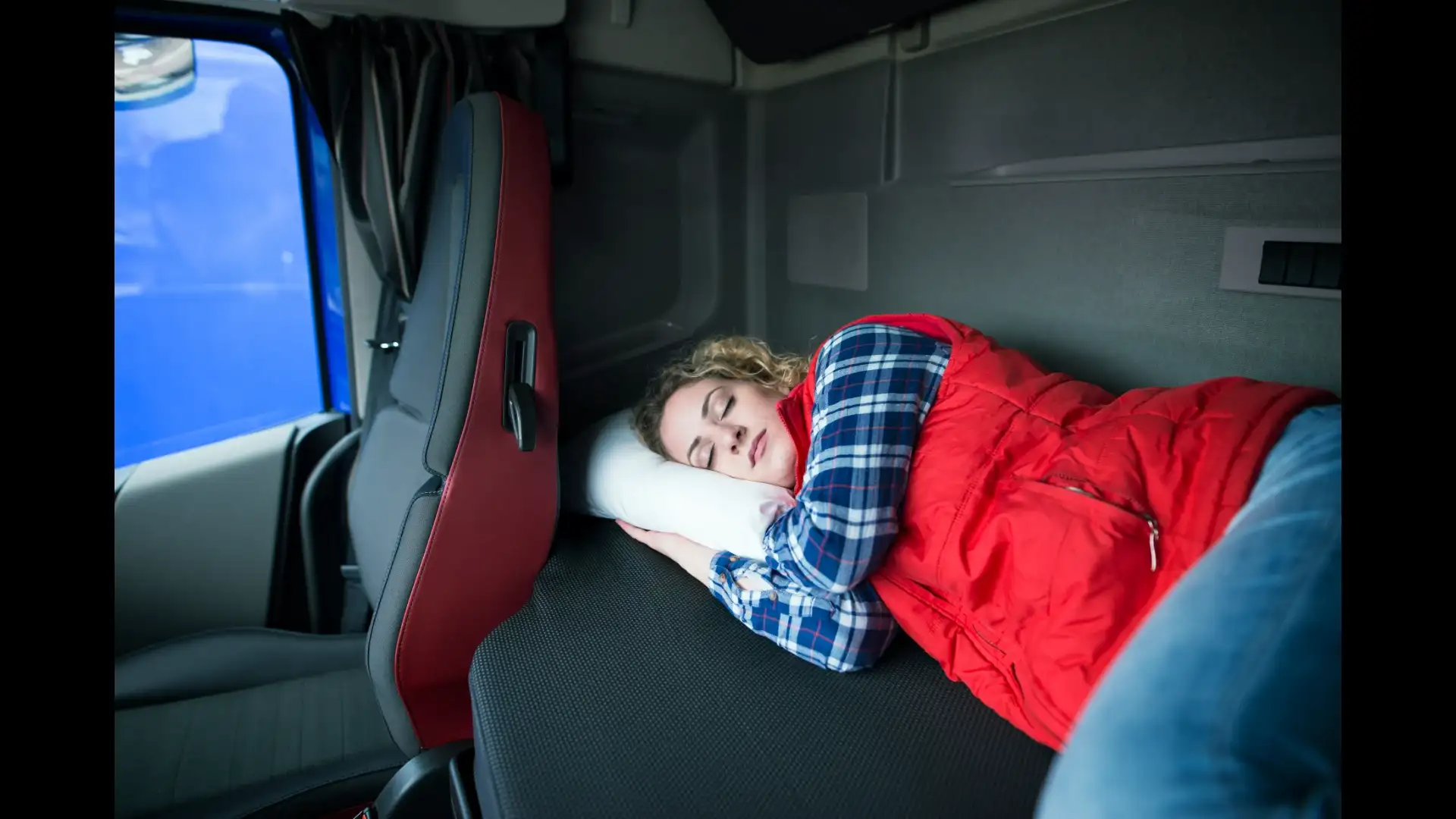
The overnight journey is one of the few times a long trip gives you back the hours you would otherwise lose. The berth, the rattle, the cold air, none of it changes. What changes is whether you board with the right four items in a pouch and eat the right meal beforehand. The people who step off looking rested did not get a better seat. They just prepared for the specific obstacles that seat creates.
Pick Your Spot Before the Journey Picks It for You
On a train, the middle berth sits in the awkward zone, too low to feel private, too high to be convenient. The upper berth is the quieter choice: fewer people brush past it, and you control the light above you. On a sleeper bus, avoid the last row. It sits directly over the rear axle, and every pothole travels straight up through the seat into your spine. A window seat on the left side of a northbound bus catches less direct headlight glare from oncoming traffic on most Indian highways.Build a Sleep Kit That Fits in One Pouch
Four things do most of the work. A foam or silicone earplug pair, not the wax kind, which warms and softens, cuts engine noise and corridor conversation to a manageable murmur. A neck pillow shaped like a horseshoe keeps the head from dropping sideways, which is where most of the next-morning stiffness comes from. A light cotton sleep mask blocks the fluorescent lights that railways and bus operators leave on through the night. The fourth item is a thin shawl or a full-sleeved layer: air-conditioning on overnight services is calibrated for the hottest passenger, not the average one, and the temperature drops sharply after midnight.You may also like
- Psychology explains why some people are obsessed with crime thrillers: Does their fascination with murder mysteries, serial killers, and dark human behaviour reflect curiosity, a need to solve puzzles or an attraction to the darker side of human psychology?
- Effective Natural Remedies for Reducing Dark Spots
- Kangana Ranaut steals the show at friend's wedding in colourful gharara suit and purple lehenga
- Cricket Brings Players of All Abilities Together for an Inclusive Match in Kolkata
- Moles on the Face: What Makes One Worth a Second Look
What You Eat and Drink in the Hours Before Boarding
A heavy meal two hours before departure makes the body work through digestion instead of winding down. A light meal, dal, rice, or roti in a moderate portion, is easier. More important is what not to drink: tea and coffee after 6 p.m. keep the nervous system alert for four to six hours, which covers most of the early part of an overnight journey. Water is different. Staying hydrated prevents the dry-throat discomfort that wakes people up, but a large amount right before boarding means a bathroom stop at 1 a.m. Sip steadily through the evening rather than drinking a large quantity at once.Managing Light and Sound Once You Are On Board
The body reads light as a signal to stay awake. As soon as you settle into your berth or seat, dim or block every light source you can reach. On a train, the reading light above the berth has a switch, use it. On a bus, the overhead cabin light is usually shared; the sleep mask earns its place here. For sound, earplugs handle the mechanical noise well, but conversations and phone audio are irregular and harder to tune out. A low, steady sound played through one earbud, rain, a fan, or a low hum, gives the brain a consistent signal to lock onto, which makes the irregular sounds less intrusive. Keep the volume low enough that you can hear your station announcement.The Body Position That Actually Works on a Hard Berth
Lying flat on your back on a firm surface is not comfortable for most people because the lower back arches away from the berth. A rolled jacket or a folded blanket placed under the knees bridges that gap and takes pressure off the lumbar spine. Side sleepers do better with something between the knees, a small rolled cloth works. Avoid sleeping with the arm tucked under the head as a pillow substitute; it compresses the shoulder and cuts off circulation, which is what causes the numb, tingling arm that wakes you at 3 a.m. Use the neck pillow instead and let the arm rest along the body.The overnight journey is one of the few times a long trip gives you back the hours you would otherwise lose. The berth, the rattle, the cold air, none of it changes. What changes is whether you board with the right four items in a pouch and eat the right meal beforehand. The people who step off looking rested did not get a better seat. They just prepared for the specific obstacles that seat creates.






Loving Newspoint? Download the app now
