
The Hidden Relationship Between Flowers and Insects That Keeps Nature Alive

Take a closer look at a flower on a sunny day, and you are likely to see bees buzzing, butterflies fluttering or tiny beetles quietly moving across its petals. While these visits may seem ordinary, they are part of one of the most remarkable partnerships in the natural world. Flowers and insects have evolved together over millions of years, each helping the other survive. Flowers provide food in the form of nectar and pollen, while insects assist plants by transferring pollen from one bloom to another. This hidden relationship supports entire ecosystems, influences food production and plays a vital role in maintaining biodiversity across the planet.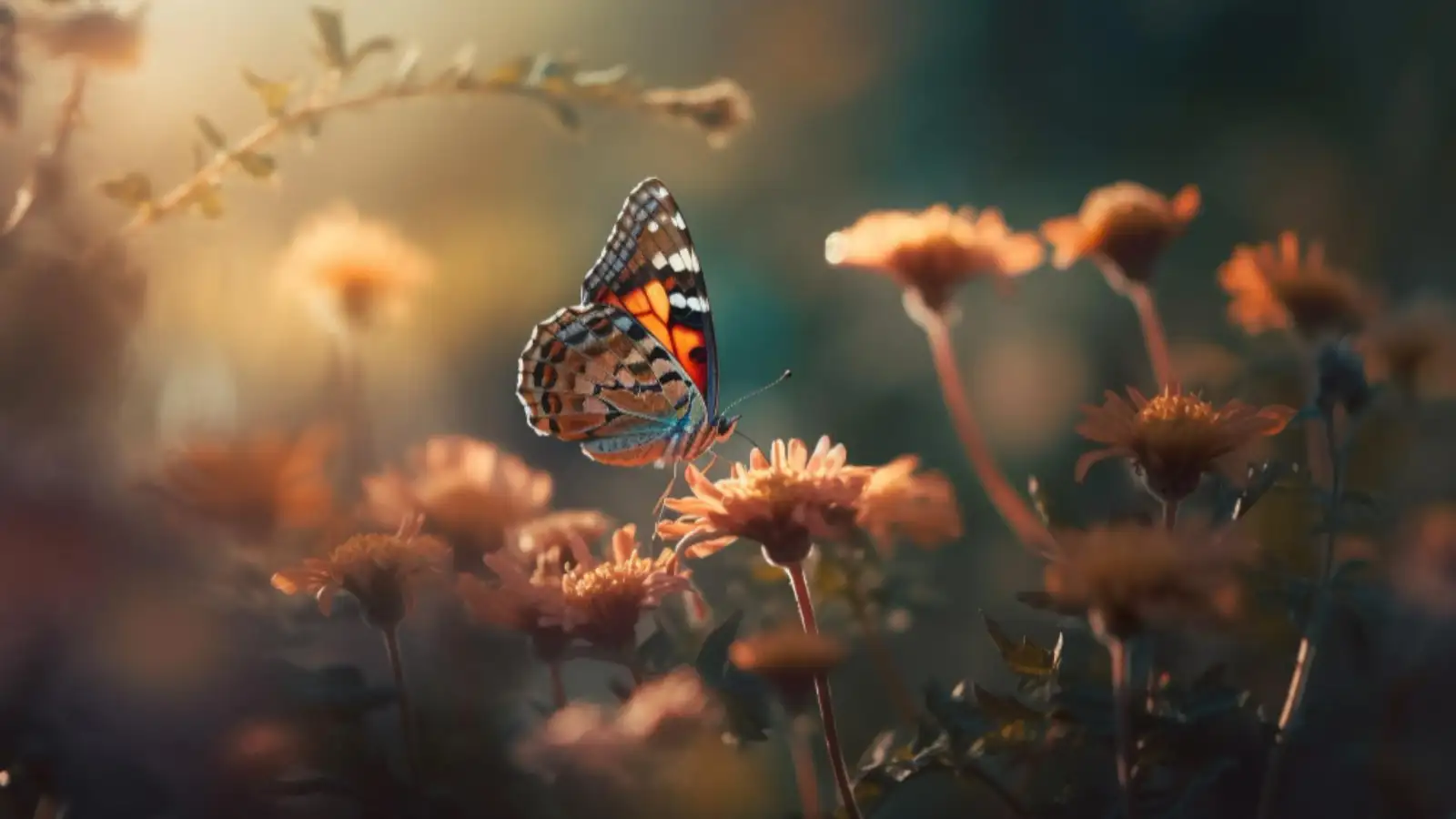
In return, insects adapted specialised body parts to gather food more efficiently. Bees evolved hairy bodies that trap pollen, while butterflies developed long proboscises capable of reaching deep into tubular flowers.
This process, known as co-evolution, has resulted in thousands of unique partnerships between particular flowers and insect species.
When they visit another flower of the same species, some of that pollen is transferred, allowing fertilisation to occur. This enables plants to produce seeds and fruits that support countless forms of life.
Without insect pollination, many wildflowers would disappear, and numerous crops grown for human consumption would produce much lower yields.
Butterflies pollinate many brightly coloured flowers during daylight hours, while moths perform a similar task at night. Beetles pollinated some of Earth's earliest flowering plants long before bees became widespread. Hoverflies, wasps and even certain ants also contribute to pollination in different habitats.
Each insect species interacts with flowers in its own way, creating a complex web of ecological relationships.
Certain orchids have taken this even further by mimicking the appearance and scent of female insects. Male insects are tricked into landing on the flower, unknowingly collecting and transferring pollen.
Scientists have also discovered that some flowers can detect the vibrations made by approaching bees and temporarily increase the sweetness of their nectar, making the visit even more rewarding.
Around the world, conservationists are encouraging the planting of native flowers, reducing pesticide use and restoring natural habitats to support pollinators. Even a small wildlife-friendly garden can provide valuable food for insects throughout the year.
Protecting this relationship is essential not only for nature but also for the crops that feed millions of people.
How Flowers and Insects Evolved Together
The relationship between flowers and insects dates back more than 100 million years. As flowering plants became more widespread, they developed colourful petals, attractive scents and sweet nectar to lure insects.In return, insects adapted specialised body parts to gather food more efficiently. Bees evolved hairy bodies that trap pollen, while butterflies developed long proboscises capable of reaching deep into tubular flowers.
This process, known as co-evolution, has resulted in thousands of unique partnerships between particular flowers and insect species.
Pollination: Nature's Essential Exchange
The best-known interaction between flowers and insects is pollination. As insects search for nectar or pollen, grains of pollen stick to their bodies.When they visit another flower of the same species, some of that pollen is transferred, allowing fertilisation to occur. This enables plants to produce seeds and fruits that support countless forms of life.
Without insect pollination, many wildflowers would disappear, and numerous crops grown for human consumption would produce much lower yields.
Every Insect Has a Different Role
Although bees are often recognised as the most efficient pollinators, they are far from the only insects helping flowers reproduce.Butterflies pollinate many brightly coloured flowers during daylight hours, while moths perform a similar task at night. Beetles pollinated some of Earth's earliest flowering plants long before bees became widespread. Hoverflies, wasps and even certain ants also contribute to pollination in different habitats.
You may also like
- Amy Schumer Proudly Shows Her C Section Scar and Sends a Powerful Message to Moms
- Mastering Makeup Application for Every Face Shape
- Essential Tips for a Memorable Monsoon Jungle Safari
- Heavy rain to lash multiple states this week as IMD flags flood threat and thunderstorms; what travellers need to know
- Brad Pitt and Ines de Ramon Share Romantic Kiss at FIFA Match
Each insect species interacts with flowers in its own way, creating a complex web of ecological relationships.
Surprising Facts About This Natural Partnership
Many flowers have evolved features specifically designed to attract particular insects. Some produce ultraviolet patterns that act as invisible landing guides, visible only to pollinators such as bees.Certain orchids have taken this even further by mimicking the appearance and scent of female insects. Male insects are tricked into landing on the flower, unknowingly collecting and transferring pollen.
Scientists have also discovered that some flowers can detect the vibrations made by approaching bees and temporarily increase the sweetness of their nectar, making the visit even more rewarding.
Why This Relationship Matters Today
Modern agriculture, habitat loss, pesticide use and climate change are putting increasing pressure on both flowers and insects. As pollinator populations decline, many flowering plants struggle to reproduce, affecting wildlife and food production alike.Around the world, conservationists are encouraging the planting of native flowers, reducing pesticide use and restoring natural habitats to support pollinators. Even a small wildlife-friendly garden can provide valuable food for insects throughout the year.
Protecting this relationship is essential not only for nature but also for the crops that feed millions of people.






Loving Newspoint? Download the app now
