
Seasonal Nutrition Explained: How Your Body’s Food Needs Change Throughout the Year

Our bodies are constantly adapting to the world around us. The changing temperature, sunlight, humidity, and lifestyle patterns of each season influence how we feel, how much energy we need, and even what nutrients our body requires. This is why traditional cultures across the world, including India, have always emphasised eating seasonal foods. A summer diet rich in hydrating fruits and cooling vegetables serves a different purpose from a winter diet filled with warming foods and energy-rich nutrients. Understanding seasonal nutrition can help us make smarter food choices and support our health naturally throughout the year.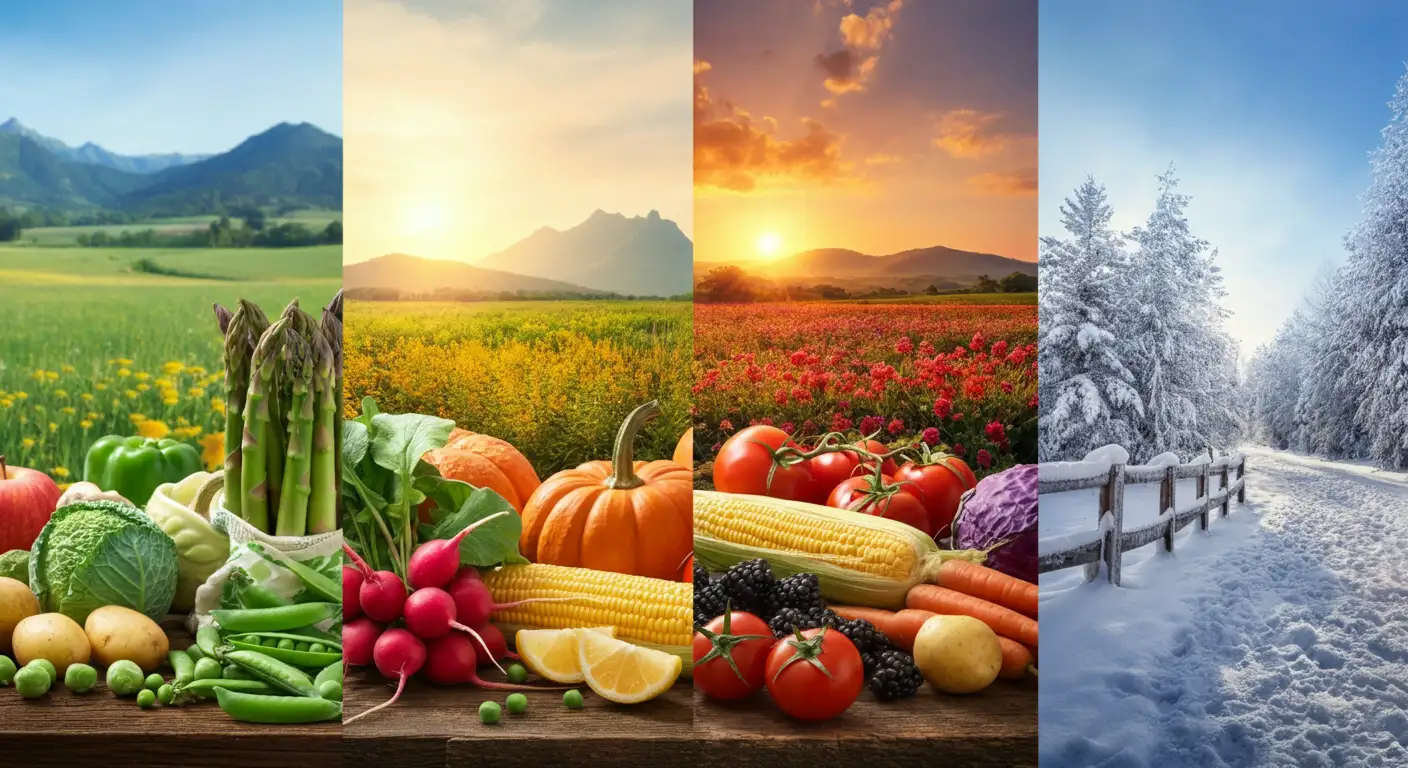
For example, during hot summer months, the body loses more fluids through sweating, increasing the need for water, electrolytes, and hydrating foods. In colder months, the body may require more energy to maintain temperature, making nutrient-rich and warming foods more beneficial.
Seasonal nutrition is not about following strict rules. It is about understanding how natural changes affect the body and choosing foods that support those changes.
Water-rich fruits like watermelon, cucumber, oranges, and muskmelon help maintain hydration while also providing vitamins and antioxidants. Coconut water is another popular summer drink because it naturally contains electrolytes.
Light meals with vegetables, salads, yoghurt, and seasonal fruits can support digestion during hot weather. Spices such as mint and coriander are traditionally used in summer dishes because they provide freshness and flavour.
An interesting fact is that many traditional Indian summer foods, including buttermilk and aam panna, were developed not just for taste but also to help the body manage heat.
Foods rich in vitamin C, antioxidants, and minerals can help support the immune system. Fruits such as guava, amla, and citrus fruits provide important nutrients during this season.
Monsoon diets often include warming spices such as ginger, garlic, turmeric, and black pepper. These ingredients have been used traditionally in Indian cooking and are studied for their beneficial plant compounds.
Because humidity can affect digestion, many people find lighter meals easier to tolerate during the rainy season.
Seasonal foods such as pumpkins, sweet potatoes, apples, and nuts provide important nutrients that support energy levels. These foods contain fibre, vitamins, and minerals that help maintain overall wellbeing.
Autumn is also a good time to focus on balanced meals because the body is preparing for the demands of colder months.
Nutrient-rich foods such as nuts, seeds, whole grains, pulses, and healthy fats can provide sustained energy. Traditional Indian winter foods like sesame-based sweets, bajra roti, and warming soups have long been associated with seasonal eating.
Vitamin D also becomes an important consideration during winter because shorter daylight hours can reduce sun exposure. Foods containing vitamin D, along with safe sunlight exposure, can support bone health and immune function.
Green vegetables, fresh herbs, berries, and fibre-rich foods can support digestion and provide essential vitamins and minerals.
Spring is also a good time to increase variety in meals, introducing different colours and plant-based foods to ensure a broad range of nutrients.
Plants themselves change their nutritional composition depending on growing conditions. Seasonal fruits and vegetables are often harvested closer to their natural growing period, which can preserve freshness and flavour.
Choosing seasonal foods can encourage a more varied diet and support local agriculture. It also helps people eat according to what their environment naturally provides.
In today’s world, where lifestyle-related health concerns are increasing, focusing on balanced and seasonal nutrition offers a practical approach to maintaining wellbeing.
Why Your Body Needs Different Nutrients Every Season: The Science of Seasonal Nutrition
The Connection Between Seasons and Human Health
The human body is designed to adapt. Just as animals change their behaviour according to weather conditions, humans also experience biological changes throughout the year. Temperature, daylight exposure, physical activity levels, and environmental conditions can all influence our nutritional needs.For example, during hot summer months, the body loses more fluids through sweating, increasing the need for water, electrolytes, and hydrating foods. In colder months, the body may require more energy to maintain temperature, making nutrient-rich and warming foods more beneficial.
Seasonal nutrition is not about following strict rules. It is about understanding how natural changes affect the body and choosing foods that support those changes.
Summer: The Season for Hydration and Cooling Nutrients
During summer, the body’s biggest challenge is maintaining fluid balance. High temperatures increase sweating, which causes the loss of water and essential minerals such as sodium and potassium.Water-rich fruits like watermelon, cucumber, oranges, and muskmelon help maintain hydration while also providing vitamins and antioxidants. Coconut water is another popular summer drink because it naturally contains electrolytes.
Light meals with vegetables, salads, yoghurt, and seasonal fruits can support digestion during hot weather. Spices such as mint and coriander are traditionally used in summer dishes because they provide freshness and flavour.
An interesting fact is that many traditional Indian summer foods, including buttermilk and aam panna, were developed not just for taste but also to help the body manage heat.
Monsoon: Supporting Immunity and Digestion
The rainy season brings cooler temperatures but also creates conditions where infections can spread more easily. During this period, supporting immunity and maintaining good digestion become important.Foods rich in vitamin C, antioxidants, and minerals can help support the immune system. Fruits such as guava, amla, and citrus fruits provide important nutrients during this season.
Monsoon diets often include warming spices such as ginger, garlic, turmeric, and black pepper. These ingredients have been used traditionally in Indian cooking and are studied for their beneficial plant compounds.
Because humidity can affect digestion, many people find lighter meals easier to tolerate during the rainy season.
Autumn: Preparing the Body for Seasonal Changes
Autumn acts as a transition period between warm and cold weather. During this time, the body begins adjusting to changing temperatures and routines.Seasonal foods such as pumpkins, sweet potatoes, apples, and nuts provide important nutrients that support energy levels. These foods contain fibre, vitamins, and minerals that help maintain overall wellbeing.
Autumn is also a good time to focus on balanced meals because the body is preparing for the demands of colder months.
Winter: Energy, Immunity, and Nutrient-Dense Foods
Winter often increases the body’s demand for energy. Cold temperatures can cause the body to use more energy to maintain its core temperature, especially when people spend time outdoors.Nutrient-rich foods such as nuts, seeds, whole grains, pulses, and healthy fats can provide sustained energy. Traditional Indian winter foods like sesame-based sweets, bajra roti, and warming soups have long been associated with seasonal eating.
Vitamin D also becomes an important consideration during winter because shorter daylight hours can reduce sun exposure. Foods containing vitamin D, along with safe sunlight exposure, can support bone health and immune function.
Spring: A Time for Freshness and Balance
Spring brings new growth and a wider variety of fresh produce. This season is often associated with lighter foods that help the body transition after winter.Green vegetables, fresh herbs, berries, and fibre-rich foods can support digestion and provide essential vitamins and minerals.
Spring is also a good time to increase variety in meals, introducing different colours and plant-based foods to ensure a broad range of nutrients.
Lesser-Known Science Behind Seasonal Eating
Research into chrononutrition, the study of how timing affects nutrition and metabolism, suggests that the body’s internal clock can influence how it processes food. Seasonal changes can affect sleep patterns, hormones, and activity levels, which may also influence dietary needs.Plants themselves change their nutritional composition depending on growing conditions. Seasonal fruits and vegetables are often harvested closer to their natural growing period, which can preserve freshness and flavour.
Why Seasonal Nutrition Matters Today
Modern supermarkets allow people to access almost any food throughout the year. While this convenience is useful, it can sometimes disconnect people from natural eating patterns.Choosing seasonal foods can encourage a more varied diet and support local agriculture. It also helps people eat according to what their environment naturally provides.
In today’s world, where lifestyle-related health concerns are increasing, focusing on balanced and seasonal nutrition offers a practical approach to maintaining wellbeing.
Next Story