
What Each Step of Surya Namaskar Actually Does to Your Body

Most people who practice Surya Namaskar know it by feel: the stretch that opens the chest, the moment the hamstrings pull, the brief stillness before the next movement begins. What fewer people notice is the specific physical negotiation happening inside each position, which muscles are lengthening, which are firing, what the spine is doing, and why the sequence is arranged the way it is.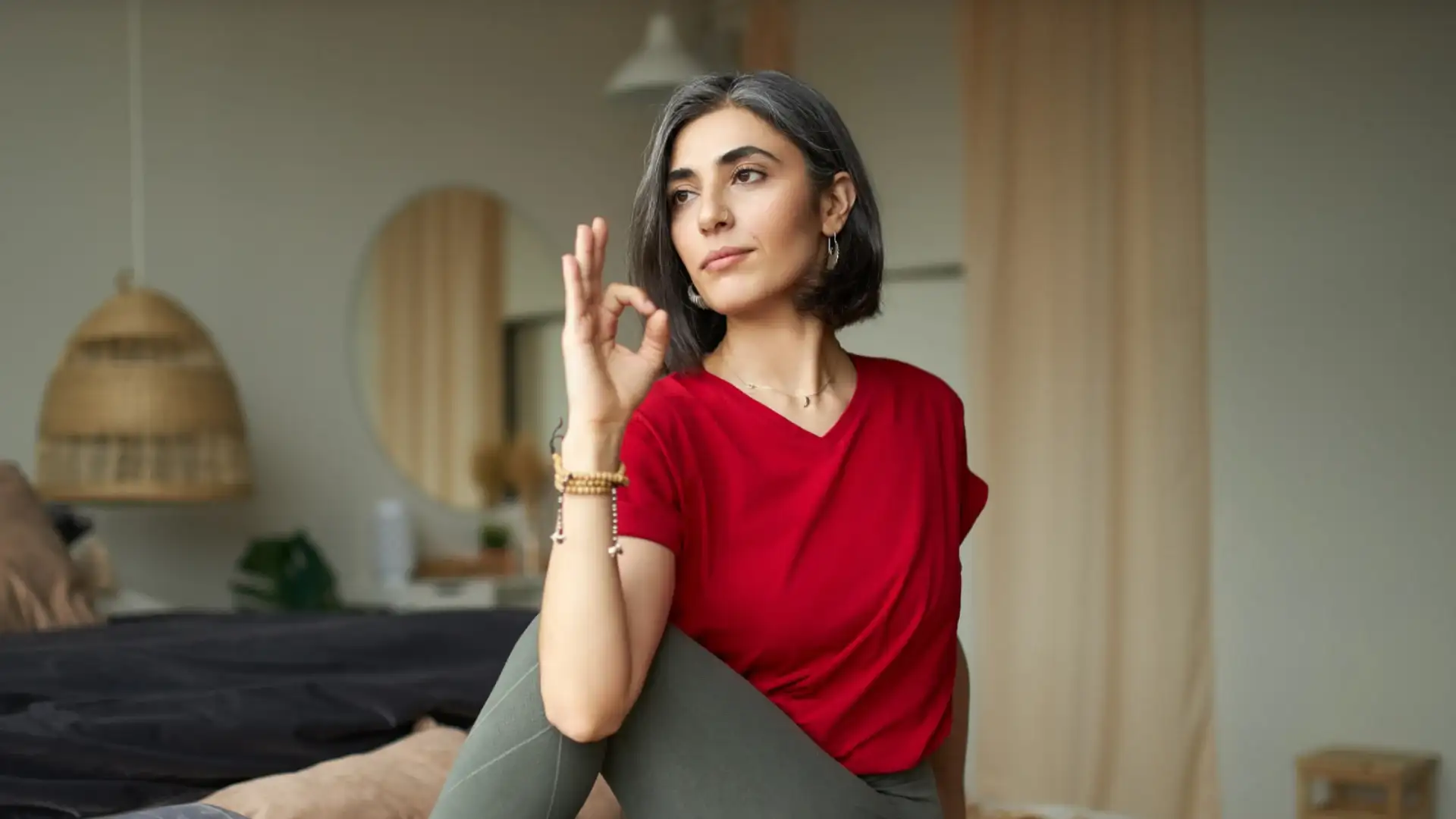
Hasta Uttanasana, the raised-arms backbend, follows immediately. As the arms lift and the upper back arches, the muscles along the front of the torso, the rectus abdominis and the intercostals between the ribs, lengthen under load. The lumbar spine extends. This is the first moment the breath is tested: a compressed chest can only take a shallow inhale, so the body learns quickly whether the arch is genuine or forced.
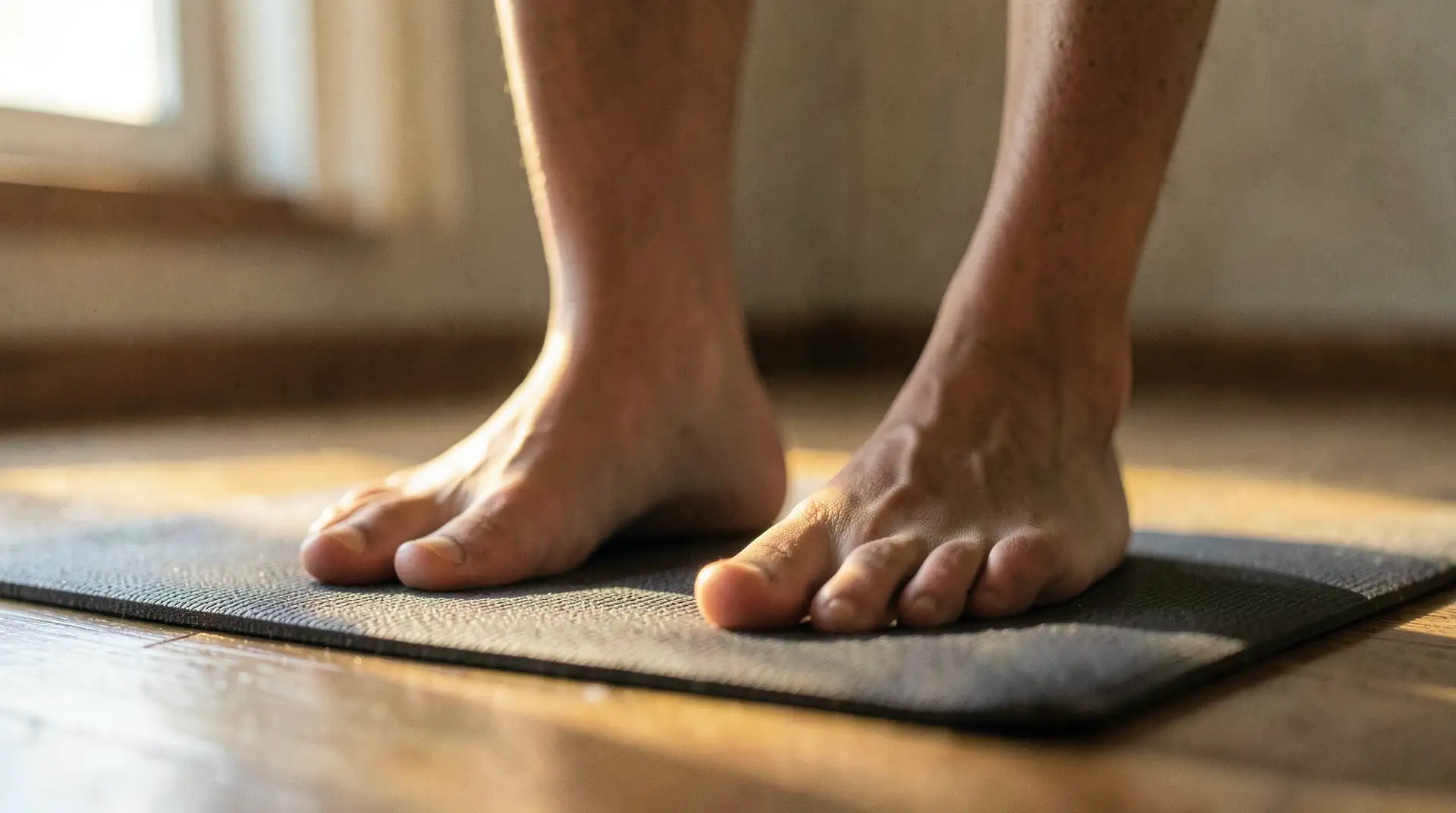
Ashwa Sanchalanasana, the equestrian pose, splits the legs into a lunge and immediately changes the demand. The hip flexors of the trailing leg, particularly the iliopsoas, which connects the lumbar vertebrae to the femur, are placed under a long, sustained stretch. This muscle group shortens from hours of sitting, and the lunge is one of the few movements in daily life that reverses that pattern. The front knee tracks over the ankle; when it drifts inward, the knee joint absorbs a shear force it was not designed for.
Ashtanga Namaskar, eight points of contact with the floor, lowers the knees, chest, and chin while keeping the hips raised. It is not a push-up. The elbows stay close to the body, the chest skims the surface, and the lower back does not touch down. The triceps and the muscles of the upper back carry most of the load through this transition. Rushing through it, which most beginners do, removes the muscular work and turns it into a controlled fall.
Adho Mukha Svanasana, the downward-facing dog, inverts the relationship between effort and gravity. The arms and legs both straighten, the hips press upward and back, and the body forms a triangle with the floor. The hamstrings and calves lengthen again, but now the upper back and shoulders are also working, pressing the floor away to keep the spine from collapsing toward the hands. Held for several breaths, this position also mildly increases blood flow to the head, which is why it is often described as both energising and calming.
What the sequence adds up to is a moving audit of the body's current state. Tight hips show up in the lunge. A weak core shows up in plank. Shallow breathing shows up in the backbend. Surya Namaskar does not fix these things in a single session, but it names them, every morning, with precision.
Pranamasana and Hasta Uttanasana: Starting the Conversation
The sequence opens in Pranamasana, the prayer position. Standing with palms joined at the chest is not a neutral resting point, it asks the postural muscles along the spine to hold the body upright without the habitual forward lean most people carry through the day. The shoulder blades draw gently together. The feet press evenly into the floor.Hasta Uttanasana, the raised-arms backbend, follows immediately. As the arms lift and the upper back arches, the muscles along the front of the torso, the rectus abdominis and the intercostals between the ribs, lengthen under load. The lumbar spine extends. This is the first moment the breath is tested: a compressed chest can only take a shallow inhale, so the body learns quickly whether the arch is genuine or forced.
Hasta Padasana and Ashwa Sanchalanasana: The Hamstrings Enter
The forward fold, Hasta Padasana, is where most practitioners meet their first resistance. The hamstrings, the three muscles running down the back of each thigh, are under sustained stretch here, and they do not release quickly. What matters more than touching the floor is keeping the spine long rather than rounding the lower back to compensate for tight legs. A rounded lower back under load is the lumbar spine absorbing a force it was not shaped to carry.Ashwa Sanchalanasana, the equestrian pose, splits the legs into a lunge and immediately changes the demand. The hip flexors of the trailing leg, particularly the iliopsoas, which connects the lumbar vertebrae to the femur, are placed under a long, sustained stretch. This muscle group shortens from hours of sitting, and the lunge is one of the few movements in daily life that reverses that pattern. The front knee tracks over the ankle; when it drifts inward, the knee joint absorbs a shear force it was not designed for.
You may also like
- EPFO SWP Scheme 2026: Get PF Money in Monthly or Quarterly Installments After Retirement? Explore 6 Proposed Benefits, Including Nominee Rules.
- EPFO New Rules 2026: From PF Withdrawal After 2 Months to the Proposed SWP Scheme, Check Key Benefits for Employees.
- Nutritional Deficiency Signs Your Skin, Hair and Nails Are Showing
- An IIT Delhi graduate learned his family has a debt of Rs 1 crore while he was still a student; after building an app business and joining Google, Yash Garg cleared the debt in 2023 and started a new company
- Sjögren's Syndrome During Pregnancy: Causes and Management
Dandasana and Ashtanga Namaskar: The Upper Body Holds
The plank position, Dandasana, is a full-body isometric contraction. The abdominals brace to prevent the lower back from sagging, the glutes engage to keep the hips level, and the shoulders stabilise the body over the wrists. Nothing is moving, but almost every major muscle group is working. The breath tends to shorten here; maintaining a slow exhale in plank is a reliable indicator of core strength.Ashtanga Namaskar, eight points of contact with the floor, lowers the knees, chest, and chin while keeping the hips raised. It is not a push-up. The elbows stay close to the body, the chest skims the surface, and the lower back does not touch down. The triceps and the muscles of the upper back carry most of the load through this transition. Rushing through it, which most beginners do, removes the muscular work and turns it into a controlled fall.
Bhujangasana and Adho Mukha Svanasana: The Spine Speaks
The cobra pose, Bhujangasana, is where the sequence asks the back extensors to work actively rather than passively. In a genuine cobra, the hands press lightly and the lift comes from the muscles along either side of the spine, the erector spinae, rather than from pushing the floor away. The chest opens, the shoulders move away from the ears, and the neck follows the natural curve of the spine rather than jutting forward. When practitioners push too hard with the arms, the lower back compresses rather than extends evenly, and the lumbar vertebrae take the brunt.Adho Mukha Svanasana, the downward-facing dog, inverts the relationship between effort and gravity. The arms and legs both straighten, the hips press upward and back, and the body forms a triangle with the floor. The hamstrings and calves lengthen again, but now the upper back and shoulders are also working, pressing the floor away to keep the spine from collapsing toward the hands. Held for several breaths, this position also mildly increases blood flow to the head, which is why it is often described as both energising and calming.
The Return: Mirroring the Opening
The second half of the sequence mirrors the first in reverse order. Ashwa Sanchalanasana returns on the opposite leg, Hasta Padasana folds the body forward again, and Hasta Uttanasana lifts the arms one more time before Pranamasana closes the round. This symmetry is not decorative. It ensures that each side of the body receives the same stretch and the same strengthening demand, and that the spine moves through extension, flexion, and neutral in both directions within a single complete round.What the sequence adds up to is a moving audit of the body's current state. Tight hips show up in the lunge. A weak core shows up in plank. Shallow breathing shows up in the backbend. Surya Namaskar does not fix these things in a single session, but it names them, every morning, with precision.






Loving Newspoint? Download the app now
