
How Meditation Improves Brain Function, Reduces Stress, and Supports Better Health

For thousands of years, meditation has been practised as a way to find inner peace, improve focus, and understand the human mind. Today, modern science is uncovering something remarkable: meditation does not just change how we feel, it can physically influence the brain and body. From reducing stress hormones to improving emotional balance and strengthening areas of the brain linked with memory and attention, regular meditation has become a powerful tool for modern health. In a world filled with constant notifications, pressure, and mental exhaustion, this ancient practice offers a simple yet effective way to support overall wellbeing.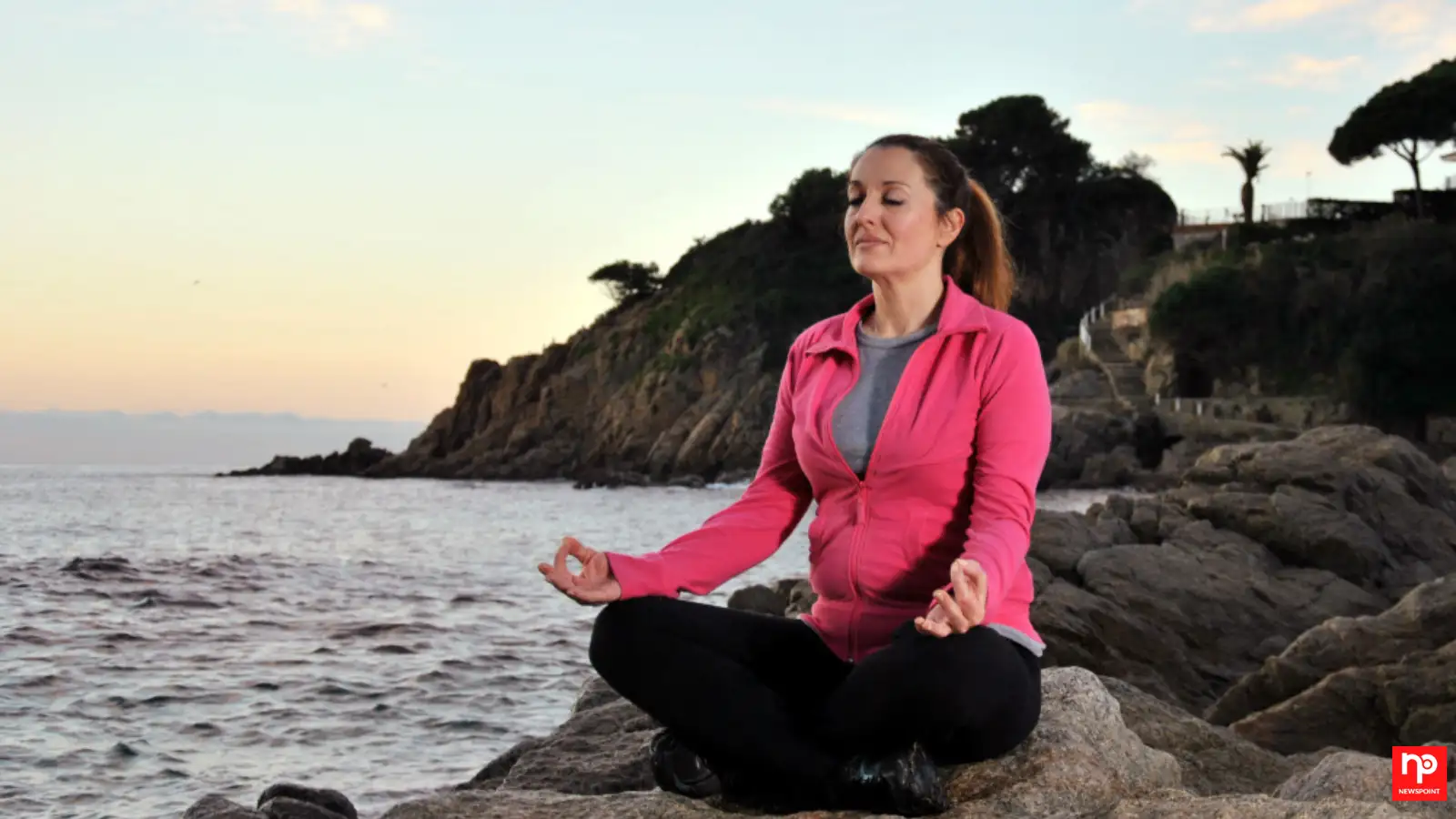
Today, meditation is recognised as more than a relaxation technique. Scientists have found that regular meditation can create measurable changes in brain activity, structure, and chemical balance. These discoveries have made meditation a growing part of discussions around mental health, stress management, and healthy ageing.
Studies using magnetic resonance imaging (MRI) have shown that people who meditate regularly may develop changes in areas of the brain responsible for attention, emotional control, and memory.
The prefrontal cortex, which helps with decision-making and concentration, becomes more active during meditation. At the same time, the amygdala, a part of the brain involved in fear and stress responses, may become less reactive. This helps explain why many people who meditate report feeling calmer and better able to handle difficult situations.
Meditation helps activate the parasympathetic nervous system, often described as the body’s relaxation response. This can slow heart rate, reduce muscle tension, and encourage a state of physical calm.
Mindfulness meditation, where a person focuses on the present moment without judgement, has become particularly popular because it helps people recognise stressful thoughts without immediately reacting to them.
Regular meditation practice has been linked with improved attention span and stronger working memory, which helps people process information and complete tasks more effectively. This is especially valuable in an age where digital distractions have become a major challenge.
Meditation also supports emotional health by helping people develop greater awareness of their thoughts and feelings. Instead of being controlled by negative emotions, individuals may learn to observe them and respond more thoughtfully.
Better sleep is another common benefit. Many people struggle with racing thoughts at night, making it difficult to relax. Meditation encourages mental quietness, helping the body prepare for restful sleep.
Some studies have also explored the relationship between meditation and the immune system. While meditation is not a replacement for medical treatment, reducing stress through regular practice may help the body maintain healthier immune functioning.
Another interesting discovery is that meditation is not limited to sitting silently. Activities such as mindful walking, focused breathing exercises, and certain forms of yoga also involve meditative principles.
Many successful professionals, athletes, and creative thinkers use meditation not only for relaxation but also to improve concentration and mental performance.
Unlike many wellness trends, meditation does not require expensive equipment or a specific environment. It can be practised at home, during a short break at work, or even while travelling. This accessibility makes it a valuable habit for people of different ages and backgrounds.
How Meditation Changes Your Brain and Body: The Science Behind a Healthier Mind
The Ancient Practice That Modern Science Is Exploring
Meditation has roots stretching back thousands of years, particularly in ancient Indian traditions where practices focused on mindfulness, breathing, and self-awareness were developed. For centuries, meditation was mainly associated with spirituality and personal growth. However, over the past few decades, researchers have started studying its effects through brain imaging technology and scientific experiments.Today, meditation is recognised as more than a relaxation technique. Scientists have found that regular meditation can create measurable changes in brain activity, structure, and chemical balance. These discoveries have made meditation a growing part of discussions around mental health, stress management, and healthy ageing.
Meditation Can Physically Change the Brain
One of the most fascinating discoveries about meditation is its ability to influence neuroplasticity, the brain’s natural ability to reorganise itself by creating new connections. This means that the brain can adapt and change throughout life based on experiences, habits, and training.Studies using magnetic resonance imaging (MRI) have shown that people who meditate regularly may develop changes in areas of the brain responsible for attention, emotional control, and memory.
The prefrontal cortex, which helps with decision-making and concentration, becomes more active during meditation. At the same time, the amygdala, a part of the brain involved in fear and stress responses, may become less reactive. This helps explain why many people who meditate report feeling calmer and better able to handle difficult situations.
How Meditation Reduces Stress in the Body
Stress is not only a mental experience. It affects the entire body by triggering the release of hormones such as cortisol and adrenaline. While these chemicals are useful during short-term challenges, long periods of stress can contribute to problems such as poor sleep, weakened immunity, and increased risk of several health conditions.Meditation helps activate the parasympathetic nervous system, often described as the body’s relaxation response. This can slow heart rate, reduce muscle tension, and encourage a state of physical calm.
Mindfulness meditation, where a person focuses on the present moment without judgement, has become particularly popular because it helps people recognise stressful thoughts without immediately reacting to them.
Better Focus, Memory, and Emotional Balance
In everyday life, our attention is constantly divided between work, social media, messages, and responsibilities. Meditation trains the brain to stay focused on one thing at a time.Regular meditation practice has been linked with improved attention span and stronger working memory, which helps people process information and complete tasks more effectively. This is especially valuable in an age where digital distractions have become a major challenge.
Meditation also supports emotional health by helping people develop greater awareness of their thoughts and feelings. Instead of being controlled by negative emotions, individuals may learn to observe them and respond more thoughtfully.
The Connection Between Meditation and Physical Health
The benefits of meditation extend beyond the brain. Research suggests that meditation may support heart health by helping lower blood pressure and reducing the effects of chronic stress on the cardiovascular system.Better sleep is another common benefit. Many people struggle with racing thoughts at night, making it difficult to relax. Meditation encourages mental quietness, helping the body prepare for restful sleep.
Some studies have also explored the relationship between meditation and the immune system. While meditation is not a replacement for medical treatment, reducing stress through regular practice may help the body maintain healthier immune functioning.
Lesser-Known Facts About Meditation
One surprising fact is that meditation does not always require long sessions to create benefits. Even a few minutes of daily mindfulness practice can help people develop greater awareness and relaxation.Another interesting discovery is that meditation is not limited to sitting silently. Activities such as mindful walking, focused breathing exercises, and certain forms of yoga also involve meditative principles.
Many successful professionals, athletes, and creative thinkers use meditation not only for relaxation but also to improve concentration and mental performance.
Why Meditation Matters More Than Ever Today
Modern lifestyles have created new challenges for mental health. Long working hours, constant digital connection, and information overload have increased stress levels for many people. As a result, meditation has become a practical tool for maintaining balance in everyday life.Unlike many wellness trends, meditation does not require expensive equipment or a specific environment. It can be practised at home, during a short break at work, or even while travelling. This accessibility makes it a valuable habit for people of different ages and backgrounds.
Next Story