
The Hidden Link Between Gut Health and Brain Function: What Science Is Discovering

For decades, scientists viewed the brain as the primary control centre of the human body, responsible for thoughts, emotions, memory, and decision-making. The digestive system, meanwhile, was largely seen as a separate mechanism whose job was simply to process food and absorb nutrients. Today, that understanding has changed dramatically.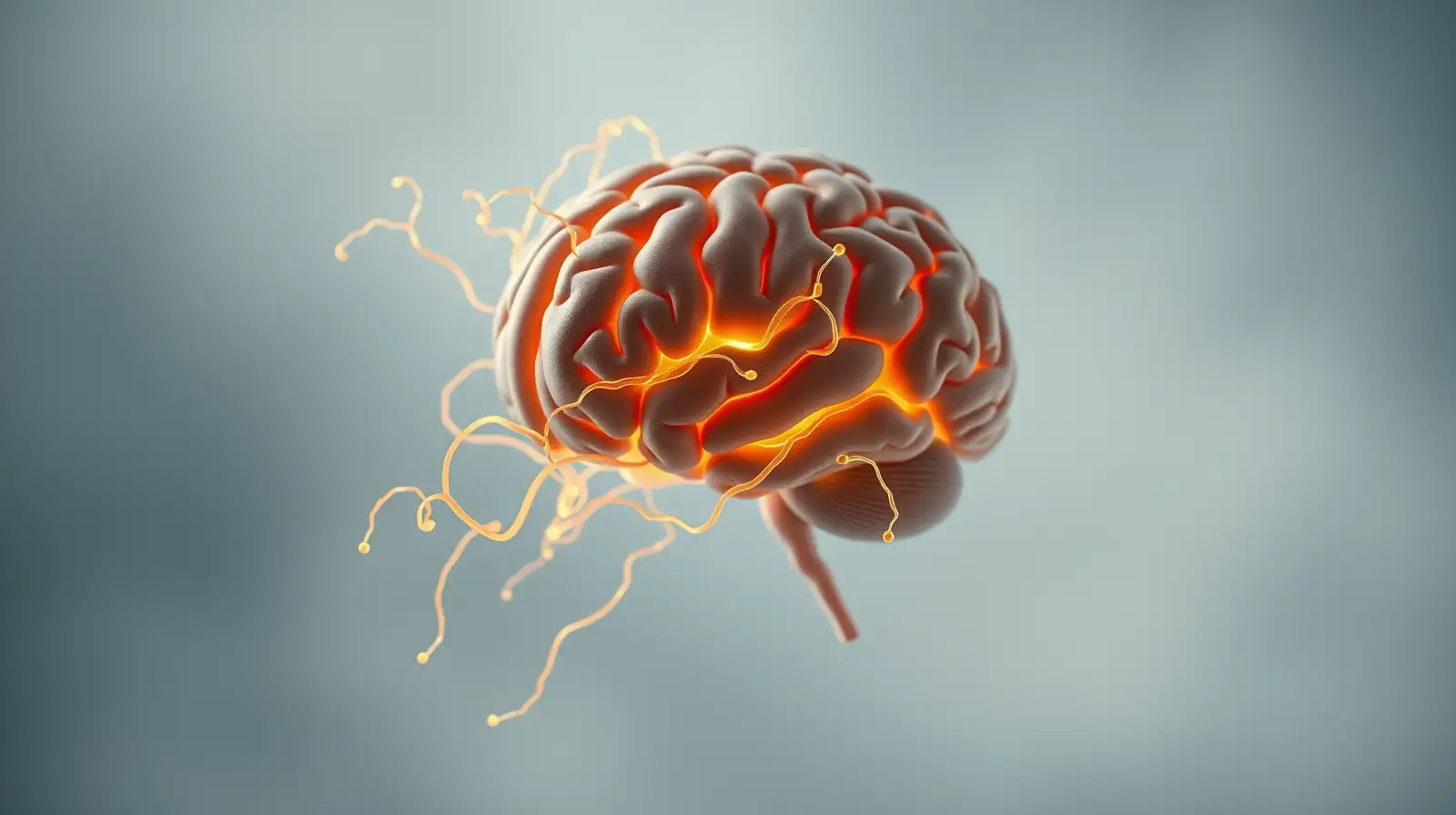
Researchers have uncovered a complex communication network linking the gut and the brain, revealing that the digestive system may play a far greater role in overall health than previously believed. This connection influences everything from mood and concentration to sleep and stress levels. The growing field of gut health research is transforming how scientists understand the relationship between the body and the mind, offering fascinating insights into why looking after your digestive system may also benefit your brain.
This is a two-way communication system that allows the brain and digestive tract to constantly exchange information. Messages travel through nerves, hormones, and chemical signals, creating an ongoing conversation between the two organs.
One of the most important components of this network is the vagus nerve, which acts like a communication highway connecting the brain and many internal organs, including the gut.
Because of this connection, emotional stress can affect digestion, while digestive problems may influence mood and mental wellbeing.
Many people have experienced this relationship firsthand, even if they did not realise it at the time.
This nickname comes from the enteric nervous system, a vast network of hundreds of millions of nerve cells embedded within the walls of the digestive tract.
Although it does not think or reason like the brain in your head, this nervous system can independently regulate many digestive functions. It constantly communicates with the central nervous system and responds to changes within the body.
The existence of this extensive neural network highlights just how sophisticated the digestive system truly is.
Far from being a simple food-processing tube, the gut is an active participant in maintaining overall health.
Known collectively as the gut microbiome, these bacteria, fungi, and other microbes play essential roles in digestion, immunity, and nutrient production.
Scientists now believe that these microorganisms may also influence brain function.
Certain gut bacteria help produce neurotransmitters, which are chemical messengers involved in communication within the nervous system. Among these is serotonin, often associated with mood regulation.
In fact, a large proportion of the body's serotonin is produced in the digestive system rather than the brain itself.
This finding has prompted researchers to investigate how gut health may affect emotional wellbeing.
Researchers have observed associations between gut microbiome balance and conditions involving stress, anxiety, and depression. While scientists are still working to understand the precise mechanisms involved, evidence increasingly suggests that gut bacteria may influence emotional responses.
When the digestive system is functioning well, communication between the gut and brain appears to operate more smoothly. Conversely, disruptions in the microbiome may affect signalling pathways that contribute to mental wellbeing.
This does not mean that gut health alone determines emotional health, but it may be one important piece of a much larger puzzle.
Emerging research suggests that gut health could affect cognitive functions such as memory, concentration, and learning. Scientists are investigating how inflammation, microbial activity, and chemical signalling from the gut may influence brain performance.
Some studies have found links between diverse gut microbiomes and better cognitive outcomes, although much remains to be understood.
The field is still evolving, but the evidence points towards a closer relationship between digestive health and brain function than previously imagined.
A varied diet rich in fruits, vegetables, legumes, whole grains, and fermented foods provides nutrients that beneficial gut bacteria can use. Regular physical activity may also contribute to microbial diversity.
Adequate sleep and effective stress management are equally important. Chronic stress can affect both digestion and the balance of gut microorganisms, reinforcing the close connection between the gut and the brain.
Small lifestyle choices made consistently over time may have meaningful effects on digestive and mental wellbeing.
Another fascinating discovery is that every person's gut microbiome is unique, almost like a biological fingerprint. No two individuals have exactly the same microbial community.
Scientists are also exploring whether personalised nutrition plans based on microbiome analysis could one day help improve health outcomes.
The traditional approach of viewing body systems in isolation is giving way to a broader understanding that organs, microbes, and biological networks work together in complex ways.
As rates of stress-related health concerns continue to rise, understanding the gut-brain connection may offer valuable insights into how lifestyle factors influence both physical and mental wellbeing.
Research in this area is still developing, but it is already reshaping conversations about health and wellness.
Researchers have uncovered a complex communication network linking the gut and the brain, revealing that the digestive system may play a far greater role in overall health than previously believed. This connection influences everything from mood and concentration to sleep and stress levels. The growing field of gut health research is transforming how scientists understand the relationship between the body and the mind, offering fascinating insights into why looking after your digestive system may also benefit your brain.
Understanding the Gut-Brain Connection
The relationship between the gut and the brain is often referred to as the gut-brain axis.This is a two-way communication system that allows the brain and digestive tract to constantly exchange information. Messages travel through nerves, hormones, and chemical signals, creating an ongoing conversation between the two organs.
One of the most important components of this network is the vagus nerve, which acts like a communication highway connecting the brain and many internal organs, including the gut.
Because of this connection, emotional stress can affect digestion, while digestive problems may influence mood and mental wellbeing.
Many people have experienced this relationship firsthand, even if they did not realise it at the time.
Why the Gut Is Sometimes Called the Second Brain
Scientists often describe the digestive system as the body's "second brain".This nickname comes from the enteric nervous system, a vast network of hundreds of millions of nerve cells embedded within the walls of the digestive tract.
Although it does not think or reason like the brain in your head, this nervous system can independently regulate many digestive functions. It constantly communicates with the central nervous system and responds to changes within the body.
The existence of this extensive neural network highlights just how sophisticated the digestive system truly is.
Far from being a simple food-processing tube, the gut is an active participant in maintaining overall health.
The Role of Gut Microbes
One of the most exciting discoveries in modern medicine involves the trillions of microorganisms living inside the human digestive tract.Known collectively as the gut microbiome, these bacteria, fungi, and other microbes play essential roles in digestion, immunity, and nutrient production.
Scientists now believe that these microorganisms may also influence brain function.
Certain gut bacteria help produce neurotransmitters, which are chemical messengers involved in communication within the nervous system. Among these is serotonin, often associated with mood regulation.
In fact, a large proportion of the body's serotonin is produced in the digestive system rather than the brain itself.
This finding has prompted researchers to investigate how gut health may affect emotional wellbeing.
How Gut Health May Influence Mood
The connection between digestive health and mood has become an important area of study.Researchers have observed associations between gut microbiome balance and conditions involving stress, anxiety, and depression. While scientists are still working to understand the precise mechanisms involved, evidence increasingly suggests that gut bacteria may influence emotional responses.
When the digestive system is functioning well, communication between the gut and brain appears to operate more smoothly. Conversely, disruptions in the microbiome may affect signalling pathways that contribute to mental wellbeing.
This does not mean that gut health alone determines emotional health, but it may be one important piece of a much larger puzzle.
The Impact on Memory and Cognitive Function
The influence of the gut may extend beyond mood.Emerging research suggests that gut health could affect cognitive functions such as memory, concentration, and learning. Scientists are investigating how inflammation, microbial activity, and chemical signalling from the gut may influence brain performance.
Some studies have found links between diverse gut microbiomes and better cognitive outcomes, although much remains to be understood.
The field is still evolving, but the evidence points towards a closer relationship between digestive health and brain function than previously imagined.
Everyday Habits That Support Gut Health
The good news is that many habits associated with overall wellbeing can also support a healthy gut microbiome.A varied diet rich in fruits, vegetables, legumes, whole grains, and fermented foods provides nutrients that beneficial gut bacteria can use. Regular physical activity may also contribute to microbial diversity.
Adequate sleep and effective stress management are equally important. Chronic stress can affect both digestion and the balance of gut microorganisms, reinforcing the close connection between the gut and the brain.
You may also like
- Why should you put your houseplants out in Summer Rain?
- UPSC AIR 1 Anuj Agnihotri reveals the one habit that can help achieve success in any exam: Why is it a valuable lesson for parents of aspiring students
- 7 Japanese habits parents can teach children to boost focus and overcome laziness
- Money Management Tips: How to Build an Emergency Fund on a ₹25,000 Salary? Learn the Simple Math
- Ladki Bahin Scheme: 80 Lakh Women Removed from Beneficiary List—Know the Reasons and Check If You're Affected
Small lifestyle choices made consistently over time may have meaningful effects on digestive and mental wellbeing.
Lesser-Known Facts About the Gut-Brain Axis
One surprising fact is that communication between the gut and brain occurs constantly, even when we are not aware of it. Signals move in both directions throughout the day, helping regulate digestion, appetite, immune responses, and emotional states.Another fascinating discovery is that every person's gut microbiome is unique, almost like a biological fingerprint. No two individuals have exactly the same microbial community.
Scientists are also exploring whether personalised nutrition plans based on microbiome analysis could one day help improve health outcomes.
Why This Matters Today
Interest in gut health has grown rapidly because people are increasingly recognising the interconnected nature of human health.The traditional approach of viewing body systems in isolation is giving way to a broader understanding that organs, microbes, and biological networks work together in complex ways.
As rates of stress-related health concerns continue to rise, understanding the gut-brain connection may offer valuable insights into how lifestyle factors influence both physical and mental wellbeing.
Research in this area is still developing, but it is already reshaping conversations about health and wellness.






More from our partners


Loving Newspoint? Download the app now
