
How Seasonal Flowers Can Add Nutrition, Colour and Flavour to Your Meals

Flowers have long been admired for their beauty and fragrance, but many varieties have also played a role in traditional cuisines for centuries. Across Asia, Europe and the Middle East, edible flowers have been used to flavour teas, decorate desserts and add a distinctive touch to savoury dishes. Today, they are experiencing a revival as more people seek natural, seasonal ingredients that offer both visual appeal and nutritional value. While not every flower is safe to eat, many edible seasonal flowers contain beneficial plant compounds and have unique flavours ranging from sweet and floral to peppery and citrus-like. Their growing popularity reflects a renewed appreciation for ingredients that are both beautiful and functional.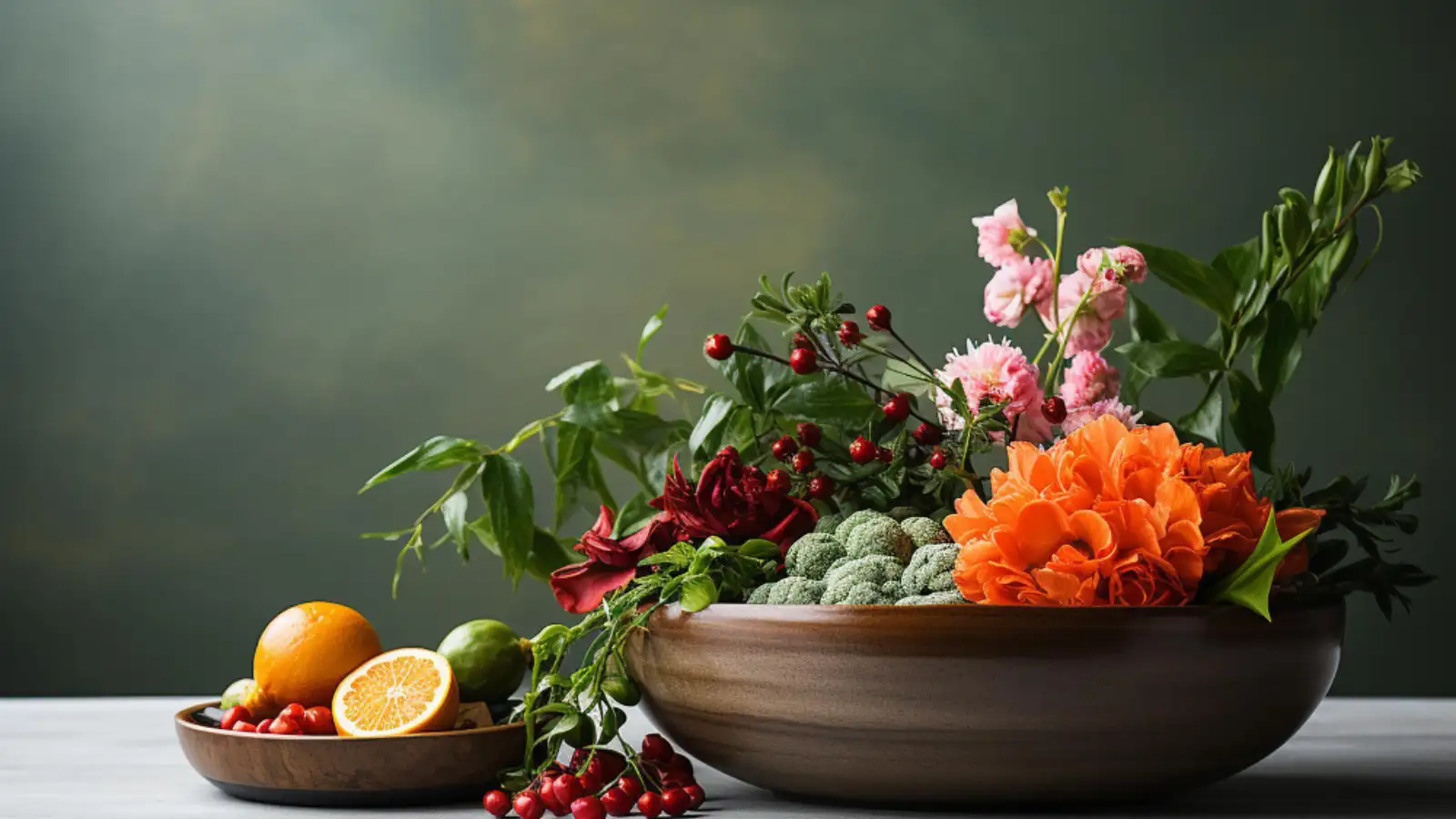
In India, rose petals have long been used in desserts and refreshing drinks, while saffron, derived from the flower of the crocus plant, has flavoured dishes for thousands of years. Across Europe, violets and elderflowers became popular ingredients in syrups, cordials and sweet treats.
One lesser-known example is nasturtium, a brightly coloured flower with a peppery flavour similar to watercress. It has been enjoyed in salads since at least the sixteenth century and remains a favourite among chefs today.
These traditions demonstrate that flowers have always been valued for more than decoration.
Calendula petals provide carotenoids, which are natural pigments also found in carrots and pumpkins. Hibiscus flowers are rich in polyphenols and are commonly brewed into refreshing herbal teas enjoyed around the world. Rose petals contain small amounts of vitamin C, while lavender is appreciated for its aromatic oils and distinctive flavour.
Although flowers are usually eaten in modest quantities, they contribute to dietary variety, which nutrition experts often recommend as part of healthy eating.
Their vibrant colours also reflect the presence of different phytochemicals that plants produce to protect themselves from environmental stress.
For this reason, edible flowers should always be sourced from trusted growers or cultivated specifically for culinary use. Flowers from florists or roadside gardens should never be eaten unless their origin is known.
Fresh blooms are best used shortly after harvesting to preserve both flavour and appearance. They can be added to salads, infused into teas, frozen inside ice cubes or sprinkled over desserts to create an elegant finish.
Using them thoughtfully allows their delicate flavours to shine without overpowering a dish.
Seasonal flowers encourage cooks to explore lesser-known ingredients while supporting local growers and reducing dependence on heavily processed foods. They also remind people that healthy eating can be creative as well as nutritious.
Many restaurants now feature edible flowers not simply for decoration but as ingredients that add genuine flavour and texture.
A Tradition Rooted in History
Using flowers in cooking is far from a modern trend. Ancient civilisations incorporated edible blooms into everyday meals, herbal remedies and ceremonial feasts.In India, rose petals have long been used in desserts and refreshing drinks, while saffron, derived from the flower of the crocus plant, has flavoured dishes for thousands of years. Across Europe, violets and elderflowers became popular ingredients in syrups, cordials and sweet treats.
One lesser-known example is nasturtium, a brightly coloured flower with a peppery flavour similar to watercress. It has been enjoyed in salads since at least the sixteenth century and remains a favourite among chefs today.
These traditions demonstrate that flowers have always been valued for more than decoration.
Nutritional Value Beyond Appearance
Many edible seasonal flowers contain naturally occurring antioxidants, vitamins and plant compounds that complement a balanced diet.Calendula petals provide carotenoids, which are natural pigments also found in carrots and pumpkins. Hibiscus flowers are rich in polyphenols and are commonly brewed into refreshing herbal teas enjoyed around the world. Rose petals contain small amounts of vitamin C, while lavender is appreciated for its aromatic oils and distinctive flavour.
Although flowers are usually eaten in modest quantities, they contribute to dietary variety, which nutrition experts often recommend as part of healthy eating.
Their vibrant colours also reflect the presence of different phytochemicals that plants produce to protect themselves from environmental stress.
You may also like
- Celebrating 250 Years of Freedom: Happy Independence Day 2026!
- Nita Ambani receives honour in the US for contributions to healthcare, education and social impact
- How Birmingham got its name: The 1,000-year-old story behind England's second city
- 5 Sun-loving houseplants that are perfect for hot summer days
- Our stories belong in school textbooks, not just Pride Month conversations: Manvendra Singh Gohil
Choosing and Preparing Edible Flowers Safely
Not every flower belongs on the dinner plate. Some ornamental varieties can be toxic, while others may have been treated with pesticides or chemicals unsuitable for consumption.For this reason, edible flowers should always be sourced from trusted growers or cultivated specifically for culinary use. Flowers from florists or roadside gardens should never be eaten unless their origin is known.
Fresh blooms are best used shortly after harvesting to preserve both flavour and appearance. They can be added to salads, infused into teas, frozen inside ice cubes or sprinkled over desserts to create an elegant finish.
Using them thoughtfully allows their delicate flavours to shine without overpowering a dish.
Why Seasonal Flowers Matter Today
The renewed interest in edible flowers reflects wider changes in how people think about food. Consumers are increasingly drawn to seasonal produce, local ingredients and meals that celebrate natural diversity.Seasonal flowers encourage cooks to explore lesser-known ingredients while supporting local growers and reducing dependence on heavily processed foods. They also remind people that healthy eating can be creative as well as nutritious.
Many restaurants now feature edible flowers not simply for decoration but as ingredients that add genuine flavour and texture.






More from our partners


Loving Newspoint? Download the app now
