
Why Your Gut Health Affects More Than Just Digestion

Most people think gut health is only connected to digestion, bloating, or stomach pain. But over the last few years, research has shown that the gut influences far more than people once believed. From mood swings and immunity to sleep quality and energy levels, the digestive system quietly affects many parts of daily life.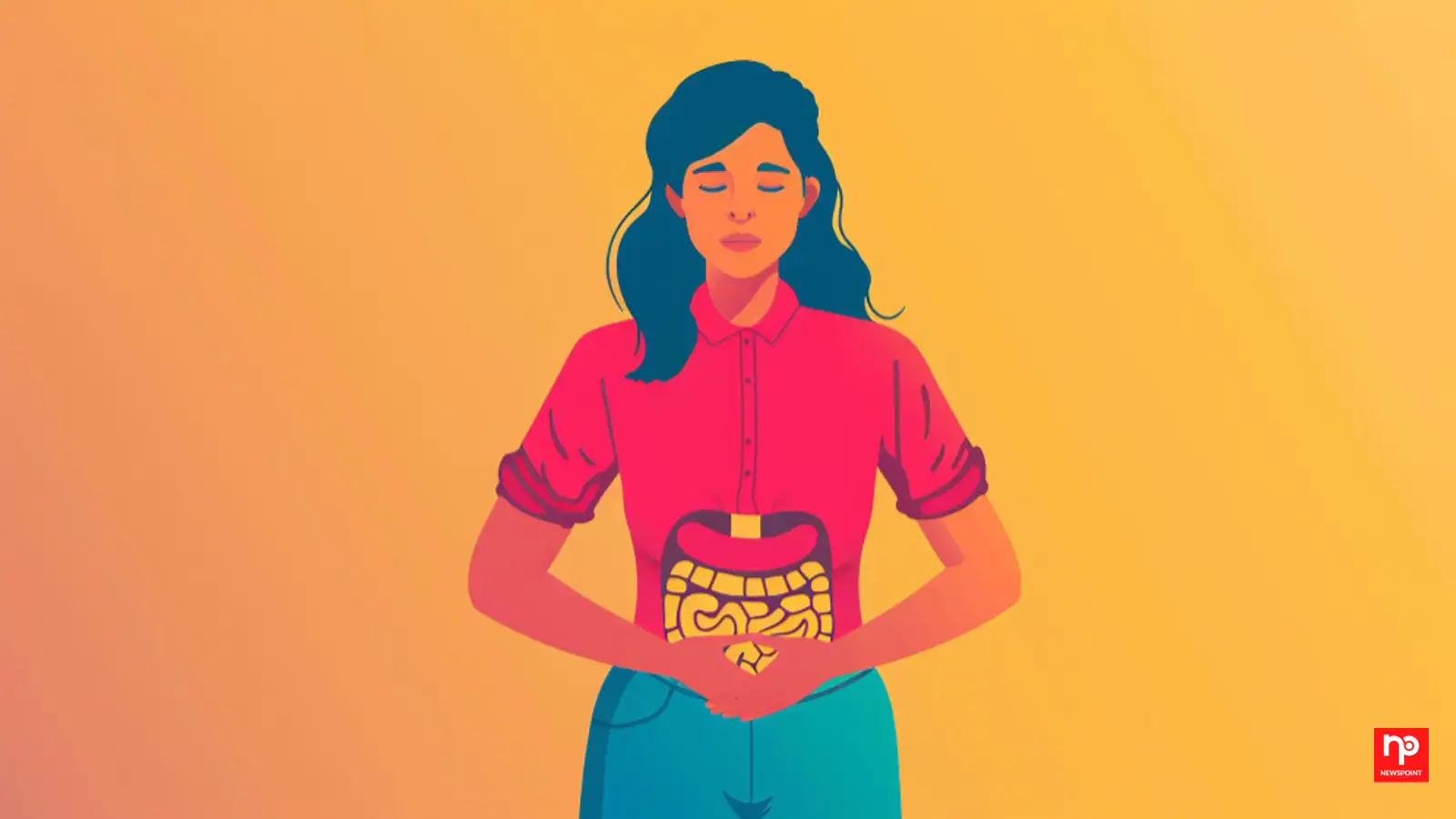
The human gut contains trillions of bacteria, often called the gut microbiome . Some of these bacteria help the body function properly, while others can create problems when they grow in excess. Maintaining a healthy balance between the two is one of the most important parts of overall wellness.
A poor diet, stress, irregular sleep, and processed foods can disturb this balance. When that happens, people may notice fatigue, mood changes, poor concentration, or digestive discomfort. On the other hand, a healthy gut may support better mental clarity and emotional balance.
Drinking enough water is equally important. Many people increase fiber intake but forget hydration, which can slow digestion instead of improving it.
Limiting ultra processed snacks, sugary drinks, and excessive fried foods can also help reduce inflammation inside the digestive system.
Eating meals too quickly may also affect how the body absorbs nutrients. Slowing down during meals helps digestion work more efficiently.
Improving gut health does not require extreme diets or expensive supplements. Simple daily habits often make the biggest difference. A balanced diet, consistent sleep, stress management, and regular movement can gradually improve how the body feels from the inside out.
The human gut contains trillions of bacteria, often called the gut microbiome . Some of these bacteria help the body function properly, while others can create problems when they grow in excess. Maintaining a healthy balance between the two is one of the most important parts of overall wellness.
The Connection Between the Gut and the Brain
Have you ever felt nervous before an important event and suddenly experienced stomach discomfort? That happens because the gut and brain are closely linked. Scientists often call the gut the body’s “second brain” because it communicates constantly with the nervous system.A poor diet, stress, irregular sleep, and processed foods can disturb this balance. When that happens, people may notice fatigue, mood changes, poor concentration, or digestive discomfort. On the other hand, a healthy gut may support better mental clarity and emotional balance.
Foods That Help Improve Gut Health
Daily eating habits play a major role in digestive wellness . Fiber rich foods such as oats, bananas, apples, lentils, and leafy vegetables help good bacteria grow naturally. Fermented foods like curd, kefir, and homemade pickles may also improve gut diversity.You may also like
- 'Elegant' £45 Elizabeth Arden perfume reduced from £45 down to £20 in huge sale
- 'Straight ick': Olivia Rodrigo faces backlash for 'babydoll' dress at concert, netizens claim she is 'infantilising herself'
- Stress, lifestyle and skin health: Understanding the impact of Cortisol on ageing
- Why Progesterone Plays a Key Role During Implantation
- The Terrifying Future Vishnu Predicted for Kali Yuga's End
Drinking enough water is equally important. Many people increase fiber intake but forget hydration, which can slow digestion instead of improving it.
Limiting ultra processed snacks, sugary drinks, and excessive fried foods can also help reduce inflammation inside the digestive system.
Lifestyle Habits Matter Too
Gut health is not only about food. Stress has a direct impact on digestion. People who live under constant pressure often experience acidity, bloating, or irregular bowel movements. Regular exercise, better sleep, and mindful eating can support healthier digestion naturally.Eating meals too quickly may also affect how the body absorbs nutrients. Slowing down during meals helps digestion work more efficiently.
Why Prevention Matters
Many health problems develop slowly over time. Digestive issues are often ignored until they become difficult to manage. Paying attention to small signs like constant bloating, fatigue after meals, or irregular digestion can help people make healthier decisions earlier.Improving gut health does not require extreme diets or expensive supplements. Simple daily habits often make the biggest difference. A balanced diet, consistent sleep, stress management, and regular movement can gradually improve how the body feels from the inside out.






More from our partners


Loving Newspoint? Download the app now
