
Is Plant Protein Enough for a Healthy Lifestyle? Everything You Should Know

As plant-based diets become more popular around the world, one question continues to spark debate: is plant protein enough? For decades, animal products were considered the gold standard for meeting protein needs, while plant-based diets were often viewed as lacking essential nutrients. Today, scientific research paints a more balanced picture. A well-planned diet built around a variety of plant foods can provide enough protein for most healthy people. The key lies not in eating one "superfood" but in choosing a diverse range of nutrient-rich ingredients. Understanding how plant protein works can help people make informed dietary choices without being influenced by outdated nutrition myths.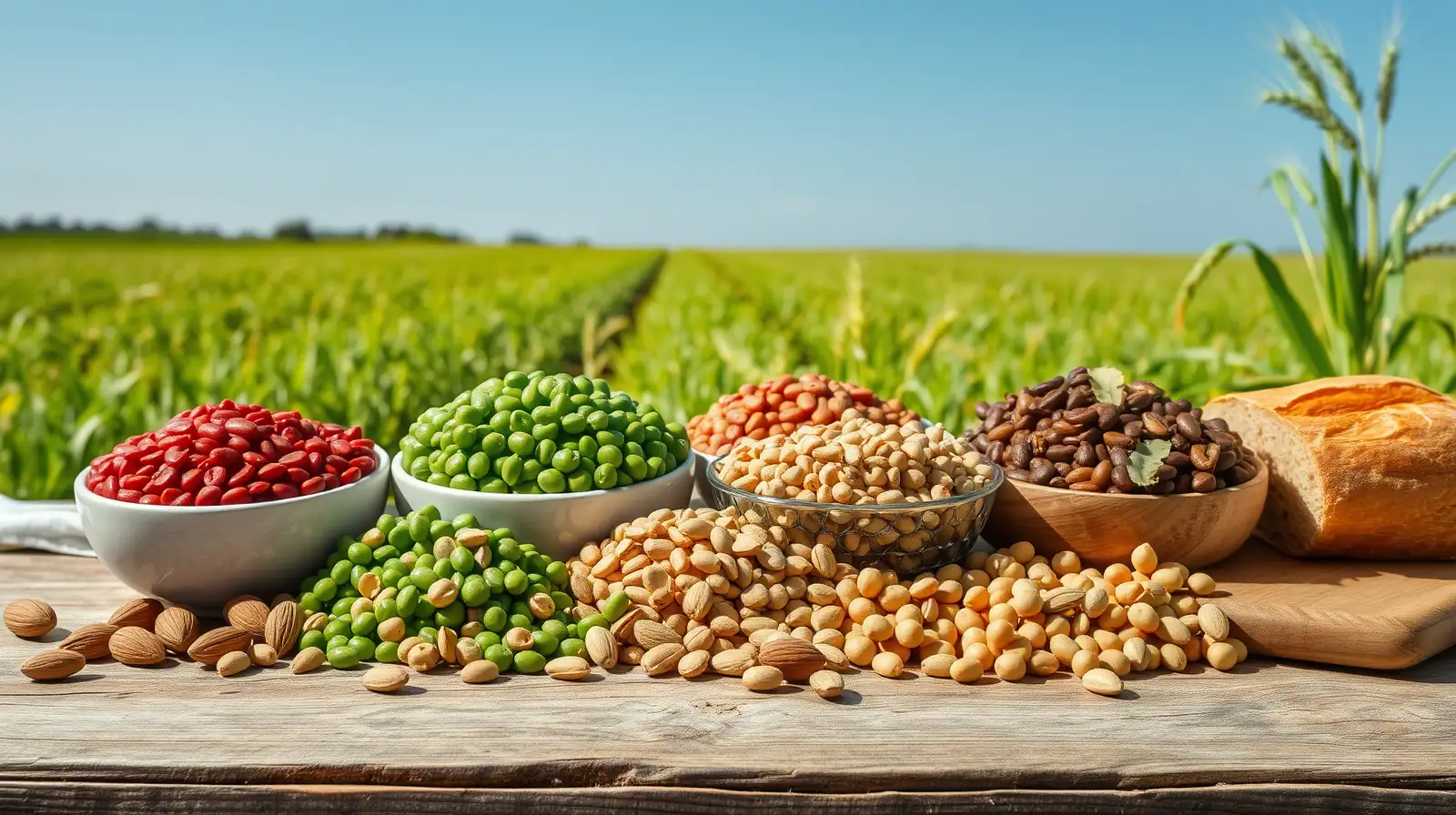
Unlike many animal-based protein sources, plant foods are naturally free from cholesterol and are often lower in saturated fat. This combination makes them valuable not only for meeting protein needs but also for supporting overall health.
Foods such as tofu, tempeh, edamame, lentils, chickpeas, quinoa and beans all contribute significant amounts of protein. Eating different plant foods throughout the day naturally provides the range of amino acids the body needs.
The long-standing belief that every meal must combine specific plant proteins, such as rice and beans, has largely been replaced by evidence showing that overall dietary variety across the day is what matters most.
Other plant foods may contain lower amounts of one or two essential amino acids, but this rarely becomes a concern for people eating a varied diet. Whole grains, legumes, nuts and seeds naturally complement one another, helping meet nutritional needs over time.
Rather than viewing plant and animal proteins as competitors, nutrition experts increasingly focus on the overall quality of the diet.
Interestingly, populations that traditionally consume more plant-based foods often have lower rates of certain chronic diseases. Although many lifestyle factors contribute to this pattern, researchers continue to study the role of plant-rich diets in promoting long-term health.
Plant proteins also tend to have a lower environmental impact than many animal-based protein sources, requiring fewer natural resources to produce.
This does not necessarily mean eating animal products. Instead, it may involve including more protein-rich plant foods throughout the day and ensuring meals are balanced and varied.
What Is Plant Protein?
Plant protein comes from foods such as beans, lentils, peas, soy products, whole grains, nuts and seeds. These foods supply amino acids, the building blocks of protein, along with fibre, vitamins, minerals and beneficial plant compounds.Unlike many animal-based protein sources, plant foods are naturally free from cholesterol and are often lower in saturated fat. This combination makes them valuable not only for meeting protein needs but also for supporting overall health.
Can Plants Provide Enough Protein?
For most adults, the answer is yes. Health experts agree that people who eat a varied and balanced plant-based diet can meet their daily protein requirements without difficulty.Foods such as tofu, tempeh, edamame, lentils, chickpeas, quinoa and beans all contribute significant amounts of protein. Eating different plant foods throughout the day naturally provides the range of amino acids the body needs.
You may also like
- This 500-year-old Spanish olive tree survived centuries of wars, droughts and changing empires, only to be lifted by cranes after a storm felled a homeowner's pine tree and replanted as the centrepiece of a private mountain chalet's garden
- Nuchal Translucency (NT) Scan: What It Is and How It Screens for Chromosomal Conditions
- Garden experts say one simple landscaping swap could help keep ticks away all summer: And many homeowners already use it without knowing why
- Oxytocin Health Risks: 2700 vials of substandard oxytocin fail at RML. Do you know why this medicine is fatal for you?
- Swara Lodha's Bridal Look Steals the Spotlight: Why Her Ivory-Gold Lehenga Is Winning Hearts
The long-standing belief that every meal must combine specific plant proteins, such as rice and beans, has largely been replaced by evidence showing that overall dietary variety across the day is what matters most.
Is Plant Protein Different From Animal Protein?
Animal proteins are generally considered complete proteins because they contain all nine essential amino acids in ideal proportions. Some plant foods, including soy, quinoa, buckwheat and hemp seeds, are also complete proteins.Other plant foods may contain lower amounts of one or two essential amino acids, but this rarely becomes a concern for people eating a varied diet. Whole grains, legumes, nuts and seeds naturally complement one another, helping meet nutritional needs over time.
Rather than viewing plant and animal proteins as competitors, nutrition experts increasingly focus on the overall quality of the diet.
Beyond Protein: The Extra Benefits
One of the biggest advantages of plant protein is that it comes packaged with other nutrients. Lentils and beans provide fibre that supports digestive health and helps maintain stable blood sugar levels. Nuts and seeds contribute healthy fats, while whole grains offer complex carbohydrates for sustained energy.Interestingly, populations that traditionally consume more plant-based foods often have lower rates of certain chronic diseases. Although many lifestyle factors contribute to this pattern, researchers continue to study the role of plant-rich diets in promoting long-term health.
Plant proteins also tend to have a lower environmental impact than many animal-based protein sources, requiring fewer natural resources to produce.
Who May Need Extra Planning?
While plant protein is enough for most people, certain groups such as competitive athletes, older adults and individuals recovering from illness may need to pay closer attention to their protein intake.This does not necessarily mean eating animal products. Instead, it may involve including more protein-rich plant foods throughout the day and ensuring meals are balanced and varied.






Loving Newspoint? Download the app now
