
How Sprouted Grains Can Add More Nutrition to Your Daily Diet

Sprouted grains have moved from health food shops into mainstream supermarkets, appearing in everything from bread and cereals to flour and snack products. Although they may seem like a modern food trend, sprouted grains have been used in different cultures for centuries. The sprouting process begins when whole grains are soaked in water and allowed to germinate before being dried or used in food production. This natural transformation changes the grain in several ways, affecting its flavour, texture and nutritional profile. Understanding the nutritional benefits of sprouted grains can help explain why they are gaining attention among nutrition experts and home cooks alike.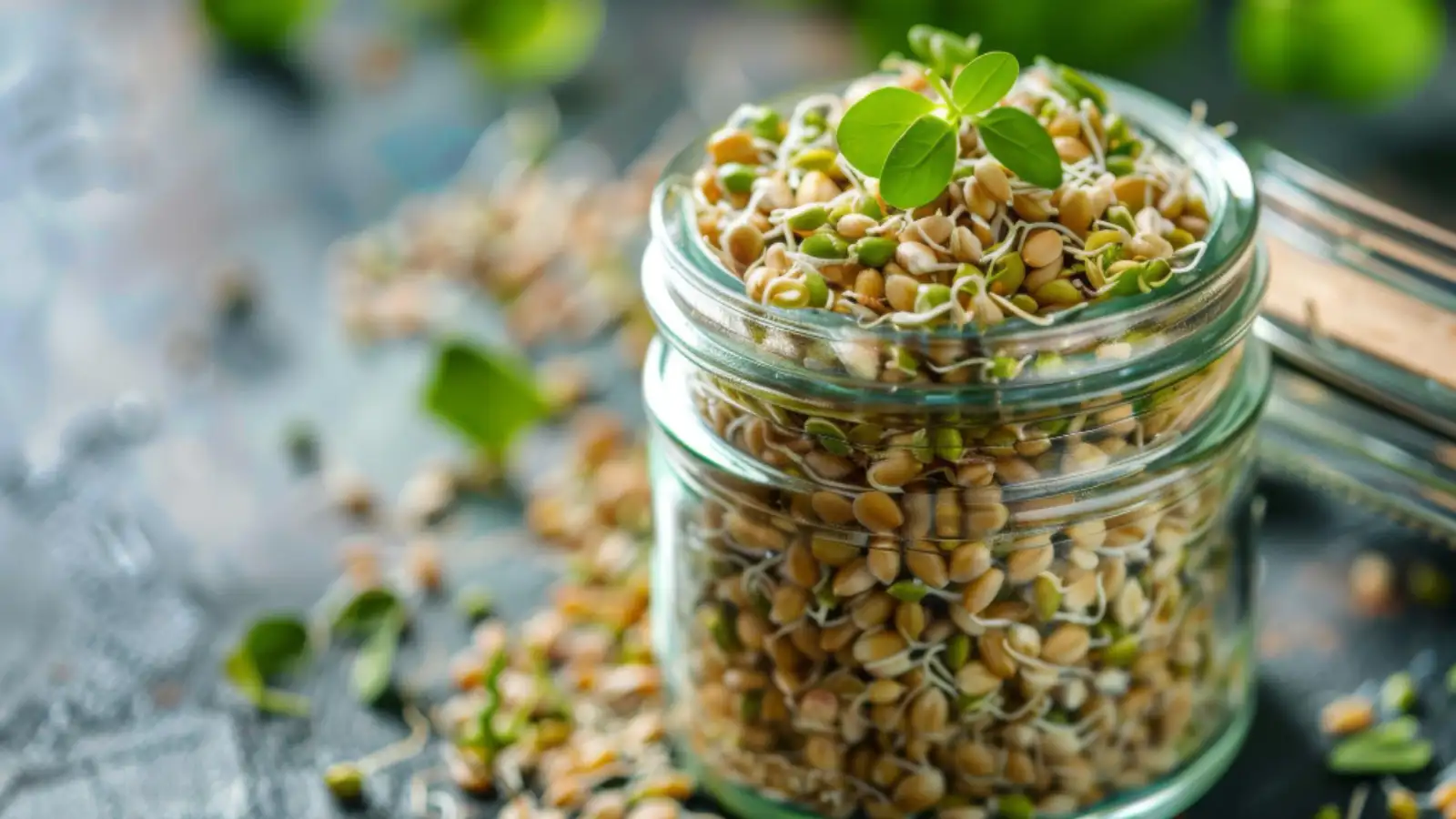
This process also alters proteins and certain plant compounds, making the grain different from its unsprouted form. The result is a slightly sweeter flavour and a softer texture that many people find easier to enjoy.
Long before commercial food production, communities around the world sprouted grains to prepare traditional breads and porridges, making use of simple natural techniques passed down through generations.
Although sprouting does not dramatically increase every nutrient, it can improve how the body accesses certain minerals while preserving the grain's valuable fibre and plant-based nutrients.
While sprouted grains still contain gluten if they originate from wheat, barley or rye, the sprouting process does not remove gluten. People with coeliac disease or gluten intolerance should continue to choose certified gluten-free grains instead.
Popular sprouted grains include wheat, barley, brown rice, millet and quinoa, each offering its own combination of nutrients and culinary uses.
Sprouted grain flour can also be used in baking, while cooked sprouted grains make an excellent addition to salads, soups and grain bowls. Their distinctive flavour adds variety to everyday meals without requiring major changes to eating habits.
What Happens When Grains Begin to Sprout?
Sprouting is the early stage of a seed's growth. As moisture reaches the grain, natural enzymes become active and begin breaking down stored starches into simpler sugars that fuel the plant's development.This process also alters proteins and certain plant compounds, making the grain different from its unsprouted form. The result is a slightly sweeter flavour and a softer texture that many people find easier to enjoy.
Long before commercial food production, communities around the world sprouted grains to prepare traditional breads and porridges, making use of simple natural techniques passed down through generations.
Sprouting Can Improve Nutrient Availability
One of the most significant nutritional benefits of sprouted grains is that some nutrients may become more available for the body to absorb. During sprouting, levels of compounds known as phytates can decrease. Phytates naturally occur in grains and may reduce the absorption of minerals such as iron, zinc and magnesium.You may also like
- Parents tie young son to door frame to 'Make Him Taller'; Viral video sparks outrage and debate over harmful parenting myths
- Harnessing Natural Ingredients for Radiant Skin
- DU Admission 2026: DU launches admissions for one-year PG programs for the first time; register by July 11..
- Foods You Should Never Reheat for Better Health
- Optimal Dinner Timing for Weight Loss and Better Health
Although sprouting does not dramatically increase every nutrient, it can improve how the body accesses certain minerals while preserving the grain's valuable fibre and plant-based nutrients.
Easier Digestion for Some People
Many people report that sprouted grain products feel easier to digest than traditional grain products. This may be partly because sprouting begins breaking down some of the starches and proteins before the food is eaten.While sprouted grains still contain gluten if they originate from wheat, barley or rye, the sprouting process does not remove gluten. People with coeliac disease or gluten intolerance should continue to choose certified gluten-free grains instead.
A Good Source of Fibre and Plant Compounds
Sprouted grains remain rich in dietary fibre, which supports digestive health and contributes to feelings of fullness. They also provide antioxidants and naturally occurring plant compounds that help protect cells from everyday oxidative stress.Popular sprouted grains include wheat, barley, brown rice, millet and quinoa, each offering its own combination of nutrients and culinary uses.
Easy Ways to Include Sprouted Grains
Sprouted grain bread is one of the simplest ways to enjoy these foods. It often has a hearty texture and a slightly nutty flavour that pairs well with both savoury and sweet toppings.Sprouted grain flour can also be used in baking, while cooked sprouted grains make an excellent addition to salads, soups and grain bowls. Their distinctive flavour adds variety to everyday meals without requiring major changes to eating habits.
A Traditional Food with Modern Appeal
The nutritional benefits of sprouted grains reflect a process that is both ancient and remarkably relevant today. By naturally changing the structure of whole grains, sprouting may improve nutrient availability while preserving many of the qualities that make grains an important part of a balanced diet. Whether enjoyed as bread, flour or whole grains, sprouted varieties offer an interesting alternative for people looking to expand their food choices and appreciate one of the oldest techniques in traditional food preparation.





Loving Newspoint? Download the app now
