
Why Fruits Come in Different Colours: The Hidden Science Inside Every Bite

A walk through a fruit market feels like entering nature’s own art gallery. Bright red apples, golden mangoes, purple grapes, and green kiwis create a stunning display of colours that attract our attention. But these colours are not just for appearance. They are the result of complex natural processes that help fruits survive, attract animals, and provide humans with valuable nutrients. The colours of fruits reveal fascinating information about their chemical compounds, health benefits, and evolutionary journey. Behind every shade lies a story of survival, science, and nature’s remarkable ability to create foods that are both beautiful and beneficial.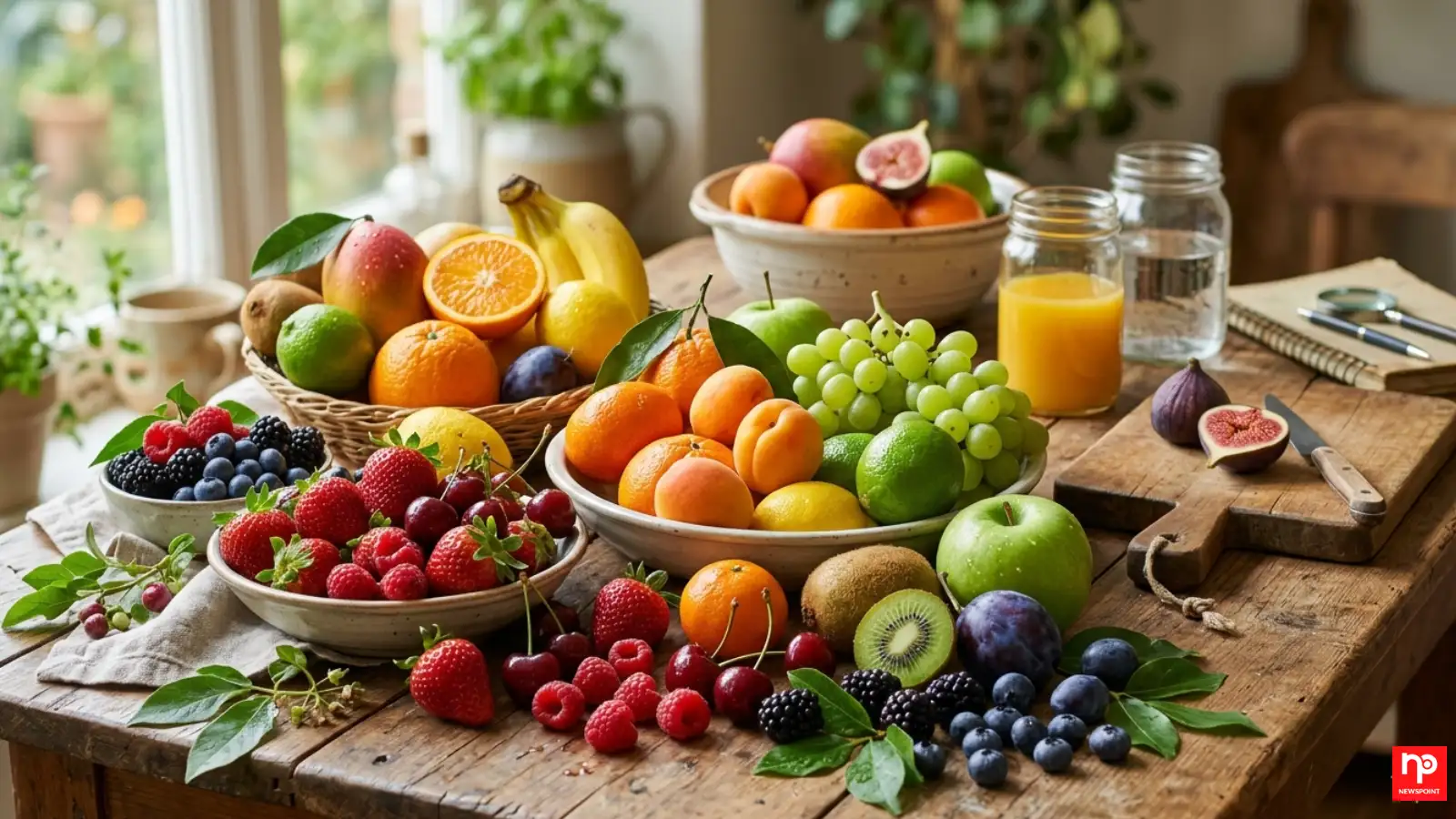
For example, a ripe strawberry turns red because of pigments called anthocyanins, which create red and purple shades. Similarly, the orange colour of mangoes and oranges comes from carotenoids, a group of pigments also responsible for the colour of carrots.
Plants have evolved these colours as a survival strategy. A colourful fruit is more likely to attract attention, increasing the chances that its seeds will travel to new locations and help the plant reproduce.
Orange and yellow fruits, including mangoes, papayas, and oranges, are rich in carotenoids. Some carotenoids can be converted by the body into vitamin A, which supports normal vision and immune function.
Green fruits such as kiwis, grapes, and green apples contain compounds like chlorophyll and various antioxidants. Dark blue and purple fruits, including blueberries and blackberries, are particularly known for anthocyanins, which give them their deep colour.
However, colour is only one indicator of nutritional value. A balanced diet benefits from eating a wide variety of fruits because different fruits offer different combinations of nutrients.
Why Fruits Have Different Colours
The colours found in fruits come from natural plant pigments that develop as fruits grow and mature. These pigments serve important purposes in nature. Bright colours often signal that a fruit is ready to be eaten, encouraging animals and birds to consume it and spread its seeds.For example, a ripe strawberry turns red because of pigments called anthocyanins, which create red and purple shades. Similarly, the orange colour of mangoes and oranges comes from carotenoids, a group of pigments also responsible for the colour of carrots.
Plants have evolved these colours as a survival strategy. A colourful fruit is more likely to attract attention, increasing the chances that its seeds will travel to new locations and help the plant reproduce.
What Different Fruit Colours Tell Us About Nutrition
The colour of a fruit can provide clues about the nutrients it contains. Red fruits such as tomatoes, watermelon, and pink grapefruit often contain lycopene, a powerful plant compound studied for its antioxidant properties.Orange and yellow fruits, including mangoes, papayas, and oranges, are rich in carotenoids. Some carotenoids can be converted by the body into vitamin A, which supports normal vision and immune function.
Green fruits such as kiwis, grapes, and green apples contain compounds like chlorophyll and various antioxidants. Dark blue and purple fruits, including blueberries and blackberries, are particularly known for anthocyanins, which give them their deep colour.
However, colour is only one indicator of nutritional value. A balanced diet benefits from eating a wide variety of fruits because different fruits offer different combinations of nutrients.
The Role of Colour in Human Culture and History
Fruit colours have influenced human traditions for centuries. In many cultures, certain fruits became symbols because of their appearance and availability. Red apples have often been associated with beauty and temptation in stories, while golden fruits have represented wealth and abundance.Next Story