
Why Popcorn Pops: The Fascinating Science Behind Every Kernel

Few foods are as closely linked with movie nights and celebrations as popcorn . Within minutes, a handful of hard, golden kernels transforms into light, fluffy pieces with a satisfying pop. It almost feels like magic, but the process is actually a remarkable demonstration of physics and chemistry at work. Every popcorn kernel contains a tiny built-in pressure cooker that waits for the perfect temperature before bursting open. The familiar popping sound is more than just part of the experience. It is evidence of a carefully balanced natural design that has fascinated food scientists for decades and continues to inspire research into everything from agriculture to food production.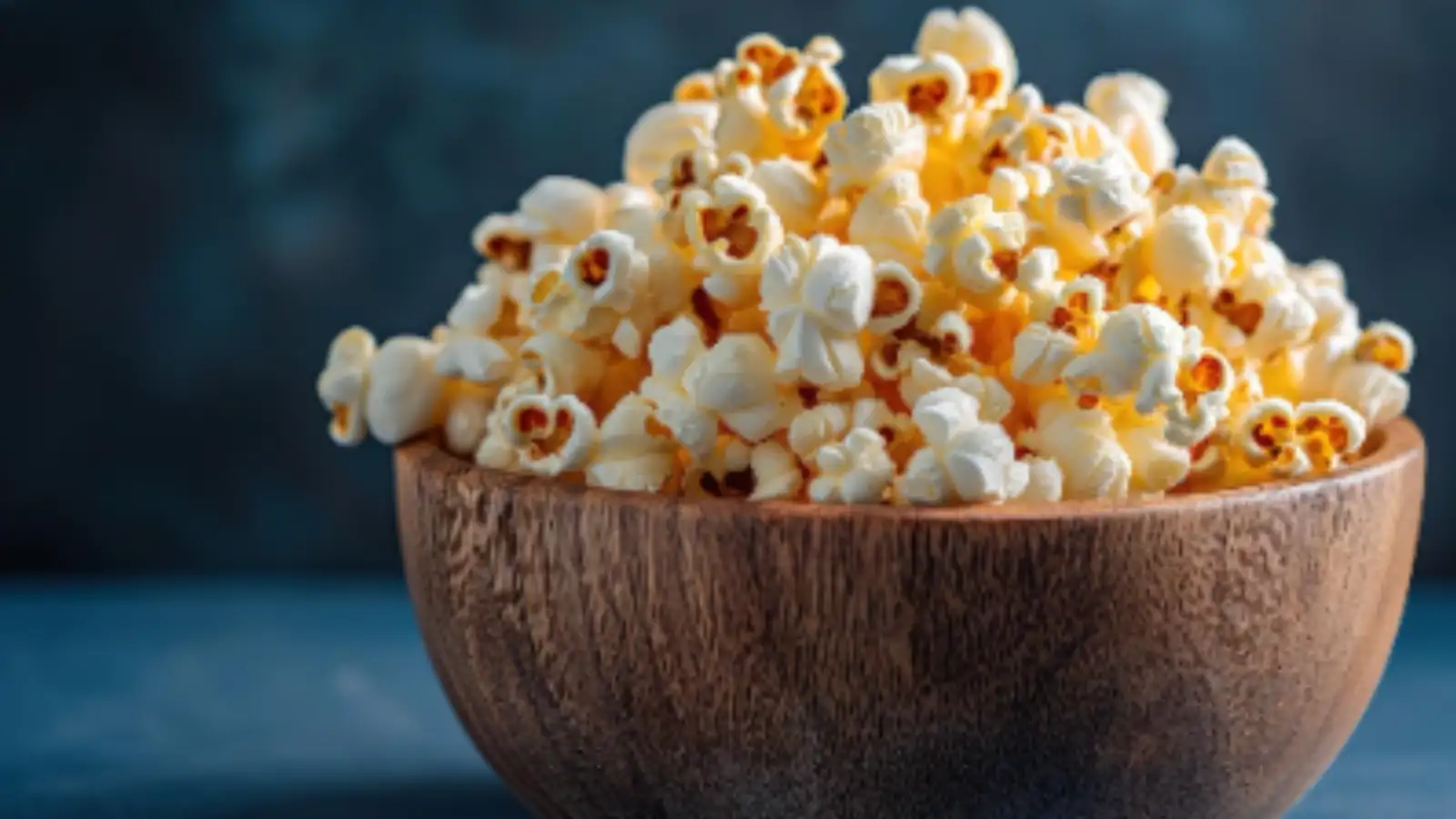
Inside each kernel is a small amount of water trapped within soft starch. This combination is what makes popcorn unique. Other varieties of corn either contain too little moisture or have shells that are too weak to build enough pressure before breaking.
A healthy popcorn kernel usually contains around 13 to 14 per cent moisture, which is considered the ideal amount for popping.
Once the temperature reaches around 180 degrees Celsius, the pressure becomes too great for the shell to contain. The kernel suddenly bursts open, releasing steam in an instant.
At the same time, the soft starch inside rapidly expands and cools, creating the familiar white, fluffy shape we recognise as popcorn. The loud popping sound comes from the shell cracking under intense pressure and the rapid release of steam.
The transformation takes only a fraction of a second, but it is the result of carefully balanced physical forces.
Most fail to pop because they contain too little moisture or have tiny cracks in the outer shell. Even a microscopic opening allows steam to escape before enough pressure can build, preventing the kernel from exploding properly.
Researchers continue to study popcorn quality to reduce the number of unpopped kernels and improve commercial production.
Interestingly, the shape of popped popcorn can also vary. Some kernels form butterfly-shaped pieces with irregular wings, while others produce round, mushroom-shaped popcorn commonly used for caramel coatings.
Popcorn has also become one of the world's most popular whole-grain snacks, enjoyed by millions every day. When prepared with minimal butter, oil or sugar, it is naturally high in fibre and can be part of a balanced diet.
The next time you hear popcorn popping in the microwave or on the hob, remember that each burst is the result of an extraordinary natural process hidden inside a tiny kernel. It is a simple reminder that even the most familiar foods can reveal fascinating lessons about the science that shapes our everyday lives.
What Makes Popcorn Different from Other Corn?
Not all types of corn can become popcorn. Popcorn comes from a special variety of maize with a hard, moisture-resistant outer shell known as the pericarp.Inside each kernel is a small amount of water trapped within soft starch. This combination is what makes popcorn unique. Other varieties of corn either contain too little moisture or have shells that are too weak to build enough pressure before breaking.
A healthy popcorn kernel usually contains around 13 to 14 per cent moisture, which is considered the ideal amount for popping.
The Science Behind the Pop
As the kernel heats up, the water inside begins to turn into steam. Because the tough outer shell prevents the steam from escaping, pressure steadily builds inside the kernel.Once the temperature reaches around 180 degrees Celsius, the pressure becomes too great for the shell to contain. The kernel suddenly bursts open, releasing steam in an instant.
At the same time, the soft starch inside rapidly expands and cools, creating the familiar white, fluffy shape we recognise as popcorn. The loud popping sound comes from the shell cracking under intense pressure and the rapid release of steam.
The transformation takes only a fraction of a second, but it is the result of carefully balanced physical forces.
Why Some Kernels Never Pop
Almost every bowl of popcorn contains a few stubborn kernels left at the bottom. These are often called "old maids" by the food industry.You may also like
- Expensive birthday party or a holiday with kids? This family chose the latter and explains why it became the best parenting formula
- Kids can 'drown' in sleep hours after their swimming lesson: Australian mom shares warning every parent should know
- Haaland Lookalike Julia Grop Goes Viral During FIFA World Cup
- Psychology says people who take spiritual journeys instead of only beach holidays often experience deeper and longer-lasting stress relief
- Shopping for engagement rings? Taylor Swift's one-of its-kind rare diamond should be on your wishlist
Most fail to pop because they contain too little moisture or have tiny cracks in the outer shell. Even a microscopic opening allows steam to escape before enough pressure can build, preventing the kernel from exploding properly.
Researchers continue to study popcorn quality to reduce the number of unpopped kernels and improve commercial production.
Interestingly, the shape of popped popcorn can also vary. Some kernels form butterfly-shaped pieces with irregular wings, while others produce round, mushroom-shaped popcorn commonly used for caramel coatings.
Why Popcorn Matters Beyond the Kitchen
Understanding why popcorn pops is more than an interesting food fact. The process demonstrates fundamental scientific principles such as heat transfer, pressure and the behaviour of water under changing temperatures. These same principles are applied in engineering, manufacturing and even space research.Popcorn has also become one of the world's most popular whole-grain snacks, enjoyed by millions every day. When prepared with minimal butter, oil or sugar, it is naturally high in fibre and can be part of a balanced diet.
The next time you hear popcorn popping in the microwave or on the hob, remember that each burst is the result of an extraordinary natural process hidden inside a tiny kernel. It is a simple reminder that even the most familiar foods can reveal fascinating lessons about the science that shapes our everyday lives.






Loving Newspoint? Download the app now
