
Why Mustard Seeds Pop in Hot Oil: The Science Behind the Sizzle

Every Indian cook learns the rule early: heat the oil, add the mustard seeds, and wait. Wait until they pop. Only then does the rest of the dish begin. It is one of those instructions passed down without explanation, absorbed as instinct before it is ever understood as science. The explanation, it turns out, is worth knowing.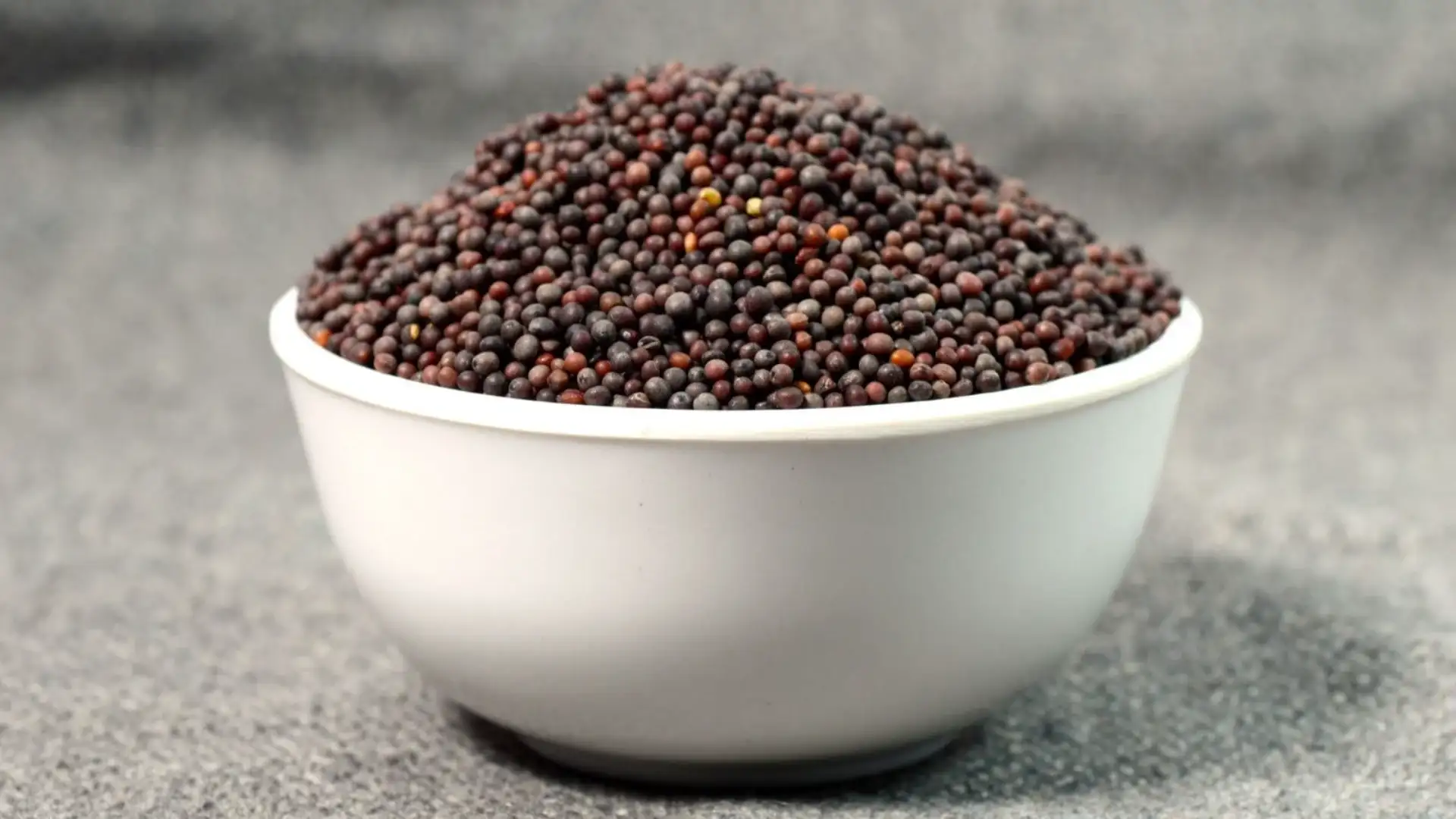
The same basic principle governs popcorn, though the geometry differs. A popcorn kernel has a hard, sealed hull and a starchy interior that holds moisture. A mustard seed is smaller and drier, so the pop is sharper and faster, and the seed does not puff, it splits and releases its contents into the oil.
When the seed pops, the cell walls rupture. The glucosinolates and myrosinase combine briefly, producing volatile flavour compounds including allyl isothiocyanate, the molecule behind mustard's bite.
Heat then drives those volatile compounds out of the seed and into the surrounding oil, which carries them through the entire dish. This is why a tadka made with seeds that were never allowed to pop tastes flat and faintly raw compared to one where every seed cracked open.
The hot oil matters for a second reason. Oil can reach temperatures well above water's boiling point, which means it drives the reaction faster and more completely than water-based cooking ever could. The oil also acts as a solvent for the fat-soluble flavour compounds released, holding them in suspension and distributing them evenly when the tadka is poured over a dal or stirred into a curry.
The pop is also a temperature signal. A seed that refuses to pop is sitting in oil that has not reached the threshold. A seed that pops so violently it flies out of the pan suggests the oil is slightly past the ideal point. Experienced cooks read the behaviour of the seeds the way a baker reads the colour of a crust.
Yellow mustard seeds, more common in pickles and certain Bengali preparations, have a milder flavour profile and pop less dramatically because their glucosinolate content is lower.
The choice of seed changes the dish not just in heat level but in the character of the oil the tadka leaves behind. Black seed oil runs sharper and more aromatic. Yellow seed oil is softer and more buttery. This is why a Chettinad curry and a Bengali shorshe dish can both begin with mustard seeds in hot oil and arrive at entirely different flavour foundations.
The pop, then, is not a signal that cooking has started. It is the moment the seed finishes a chemical transformation it has been holding in reserve since it grew on the plant. Everything added after it enters a kitchen that the mustard seed has already changed.
What Is Happening Inside the Seed
Mustard seeds contain a small amount of water locked inside their cells. When a seed lands in oil that is hot enough, roughly 180 to 200 degrees Celsius, that internal moisture turns to steam almost instantly. The seed's outer shell is tough and relatively impermeable. Steam builds pressure inside until the shell can no longer hold, and the seed bursts open with that familiar crack and jump.The same basic principle governs popcorn, though the geometry differs. A popcorn kernel has a hard, sealed hull and a starchy interior that holds moisture. A mustard seed is smaller and drier, so the pop is sharper and faster, and the seed does not puff, it splits and releases its contents into the oil.
Why the Pop Releases Flavour
Raw mustard seeds are nearly tasteless. The compounds responsible for mustard's characteristic sharpness, a family of molecules called glucosinolates, are locked inside cell walls and separated from the enzyme, myrosinase, that activates them. In an intact seed, the two never meet.When the seed pops, the cell walls rupture. The glucosinolates and myrosinase combine briefly, producing volatile flavour compounds including allyl isothiocyanate, the molecule behind mustard's bite.
Heat then drives those volatile compounds out of the seed and into the surrounding oil, which carries them through the entire dish. This is why a tadka made with seeds that were never allowed to pop tastes flat and faintly raw compared to one where every seed cracked open.
The hot oil matters for a second reason. Oil can reach temperatures well above water's boiling point, which means it drives the reaction faster and more completely than water-based cooking ever could. The oil also acts as a solvent for the fat-soluble flavour compounds released, holding them in suspension and distributing them evenly when the tadka is poured over a dal or stirred into a curry.
The Timing Question
Cooks add other aromatics, curry leaves, dried chillies, garlic, only after the mustard seeds have popped, and there is a practical reason for this sequence. Mustard seeds need the oil at its hottest to pop quickly and evenly. Curry leaves and garlic introduced too early, before the oil is hot enough, sit in warming oil and turn bitter rather than fragrant. Added after the pop, when the oil is already at the right temperature, they crisp and release their own aromatics in seconds.The pop is also a temperature signal. A seed that refuses to pop is sitting in oil that has not reached the threshold. A seed that pops so violently it flies out of the pan suggests the oil is slightly past the ideal point. Experienced cooks read the behaviour of the seeds the way a baker reads the colour of a crust.
Black, Yellow, and Brown Seeds
Indian cooking uses three types of mustard seed, and they behave slightly differently in the pan. Black mustard seeds, the most common in South Indian and Bengali cooking, have a thinner shell and pop fastest. They carry the most pungent flavour compounds. Brown mustard seeds, used across much of North and West India, are slightly larger and take a moment longer.Yellow mustard seeds, more common in pickles and certain Bengali preparations, have a milder flavour profile and pop less dramatically because their glucosinolate content is lower.
The choice of seed changes the dish not just in heat level but in the character of the oil the tadka leaves behind. Black seed oil runs sharper and more aromatic. Yellow seed oil is softer and more buttery. This is why a Chettinad curry and a Bengali shorshe dish can both begin with mustard seeds in hot oil and arrive at entirely different flavour foundations.
The pop, then, is not a signal that cooking has started. It is the moment the seed finishes a chemical transformation it has been holding in reserve since it grew on the plant. Everything added after it enters a kitchen that the mustard seed has already changed.
Next Story