
How Birds Know When It Is Time to Build a Nest

Have you ever noticed birds suddenly becoming busy with twigs, grass, leaves and other small pieces of material? One day they seem to be going about their usual routine, and soon they are carrying nesting material from one place to another.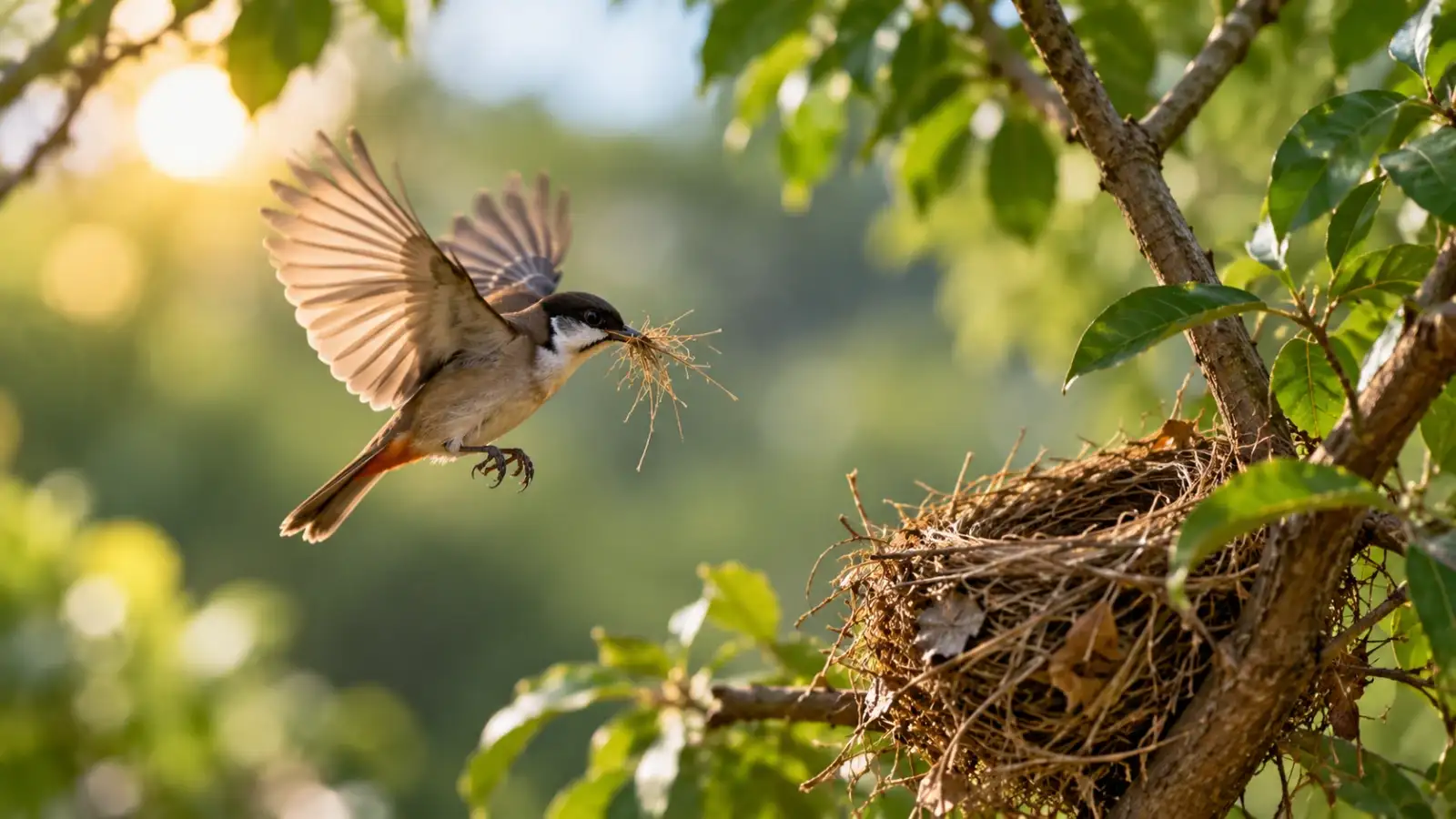
Birds do not look at a calendar to decide when to start building. Their nesting behaviour is influenced by several natural signals, including changes in daylight, temperature, food availability and hormones.
The timing can vary between species and locations, but there is a fascinating system behind it.
As days become longer, birds receive more hours of light. Their bodies respond to this change through hormonal processes that can influence breeding behaviour.
This is why many birds in temperate regions begin preparing for nesting as spring approaches.
The exact timing differs between species, but changing day length helps birds anticipate seasonal conditions rather than simply responding after the breeding season has already begun.
As breeding hormones increase, behaviours connected with finding a mate, defending territory and building a nest can become more prominent.
A bird that previously showed little interest in nesting material may suddenly begin searching for suitable twigs, fibres, grass or leaves.
In some species, nest building is mainly carried out by one parent. In others, both parents participate.
Temperature, rainfall and local weather conditions can influence when birds begin breeding. A sudden cold spell or prolonged period of poor weather may affect nesting activity.
However, birds do not rely on temperature alone. Seasonal changes in daylight and food availability can provide broader signals about what is happening in their environment.
Many species time breeding so that chicks hatch when insects, seeds, fruits or other food sources are abundant.
For insect eating birds, this can be particularly important. A nest full of hungry chicks requires a constant supply of food, and breeding at the right time can greatly improve the chances of survival.
This is one reason seasonal changes in food can influence nesting behaviour.
The presence of other birds, changes in vegetation and suitable nesting locations can all influence their behaviour.
A bird may also return to an area where it successfully raised chicks in a previous season. Familiar surroundings can provide advantages because the bird already knows where to find food and shelter.
In reality, breeding behaviour often involves several stages.
Depending on the species, birds may first establish or defend a territory, attract a mate and search for a suitable nesting location. Nest construction may then become more active once these conditions are in place.
Some birds build elaborate structures, while others use simple nests or existing cavities.
Species living in different climates have adapted to different environmental conditions. Even within the same region, two species may begin nesting at different times.
Some birds can raise multiple broods in a year, while others reproduce only once.
Urban birds can also adjust their behaviour to local conditions, particularly when food and shelter are available throughout much of the year.
If chicks hatch when food is scarce, parents may struggle to feed them. If nesting begins too early, poor weather can create additional challenges.
By responding to seasonal signals, birds can improve the chances that their young will hatch when conditions are suitable.
What looks like a simple bird carrying a twig is therefore part of a much larger natural process.
Changes in daylight, hormones, weather, food and the surrounding environment can work together to influence when birds begin preparing for their young.
Birds may not know the date, but their bodies and surroundings provide the information they need. Their nesting behaviour is one of the many ways wildlife responds to the changing seasons.
Birds do not look at a calendar to decide when to start building. Their nesting behaviour is influenced by several natural signals, including changes in daylight, temperature, food availability and hormones.
The timing can vary between species and locations, but there is a fascinating system behind it.
Longer Days Send an Important Signal
For many bird species, increasing daylight is one of the strongest signals that the breeding season is approaching.As days become longer, birds receive more hours of light. Their bodies respond to this change through hormonal processes that can influence breeding behaviour.
This is why many birds in temperate regions begin preparing for nesting as spring approaches.
The exact timing differs between species, but changing day length helps birds anticipate seasonal conditions rather than simply responding after the breeding season has already begun.
Hormones Help Trigger Nesting Behaviour
Changes in daylight can affect the bird's hormonal system.As breeding hormones increase, behaviours connected with finding a mate, defending territory and building a nest can become more prominent.
A bird that previously showed little interest in nesting material may suddenly begin searching for suitable twigs, fibres, grass or leaves.
In some species, nest building is mainly carried out by one parent. In others, both parents participate.
Weather Also Plays a Role
Birds cannot control the weather, so choosing the right period for nesting can be important.Temperature, rainfall and local weather conditions can influence when birds begin breeding. A sudden cold spell or prolonged period of poor weather may affect nesting activity.
However, birds do not rely on temperature alone. Seasonal changes in daylight and food availability can provide broader signals about what is happening in their environment.
Food Availability Matters
Raising chicks requires a great deal of energy, so birds need access to sufficient food.Many species time breeding so that chicks hatch when insects, seeds, fruits or other food sources are abundant.
For insect eating birds, this can be particularly important. A nest full of hungry chicks requires a constant supply of food, and breeding at the right time can greatly improve the chances of survival.
This is one reason seasonal changes in food can influence nesting behaviour.
Birds Also Respond to Their Surroundings
Birds pay close attention to what is happening around them.The presence of other birds, changes in vegetation and suitable nesting locations can all influence their behaviour.
A bird may also return to an area where it successfully raised chicks in a previous season. Familiar surroundings can provide advantages because the bird already knows where to find food and shelter.
Nest Building Is Not Always the First Step
It may seem as though birds simply decide to build a nest and immediately begin collecting materials.In reality, breeding behaviour often involves several stages.
Depending on the species, birds may first establish or defend a territory, attract a mate and search for a suitable nesting location. Nest construction may then become more active once these conditions are in place.
Some birds build elaborate structures, while others use simple nests or existing cavities.
Different Birds Nest at Different Times
There is no single nesting season that applies to every bird.Species living in different climates have adapted to different environmental conditions. Even within the same region, two species may begin nesting at different times.
Some birds can raise multiple broods in a year, while others reproduce only once.
Urban birds can also adjust their behaviour to local conditions, particularly when food and shelter are available throughout much of the year.
You may also like
- 2021: Indonesian boy named 'ABCDEF GHIJK' went viral at COVID vaccination drive; the unusual reason behind his parents' choice
- 5 Anti-Ageing Drinks You Can Make at Home
- 6 “Unhealthy” Foods That Are Actually Good for You
- Dwayne Johnson, the 'Rock,' bought his 46-acre 'esquerian' Georgia state home for $9.49 million to spend time with family; later sold it at a loss of over $3 million after several listings
- 10 Must Try Home Remedies To Treat Soft Nails
Why Nest Timing Matters
Building a nest at the right time is closely connected to survival.If chicks hatch when food is scarce, parents may struggle to feed them. If nesting begins too early, poor weather can create additional challenges.
By responding to seasonal signals, birds can improve the chances that their young will hatch when conditions are suitable.
What looks like a simple bird carrying a twig is therefore part of a much larger natural process.
A Tiny Nest Reflects a Complex System
The next time you see a bird carrying grass or twigs, there is probably much more happening than meets the eye.Changes in daylight, hormones, weather, food and the surrounding environment can work together to influence when birds begin preparing for their young.
Birds may not know the date, but their bodies and surroundings provide the information they need. Their nesting behaviour is one of the many ways wildlife responds to the changing seasons.






Loving Newspoint? Download the app now
