
Why Hing Is Used by the Pinch: The Resin Behind India's Strongest Spice

Open a container of hing and the smell hits before you have fully lifted the lid. Raw, sulphurous, almost medicinal, nothing in the spice rack prepares you for it. Then it goes into hot oil for three seconds and transforms into something warm, savoury, and deeply familiar. That gap between what hing smells like alone and what it does to a dish is the whole story of this spice.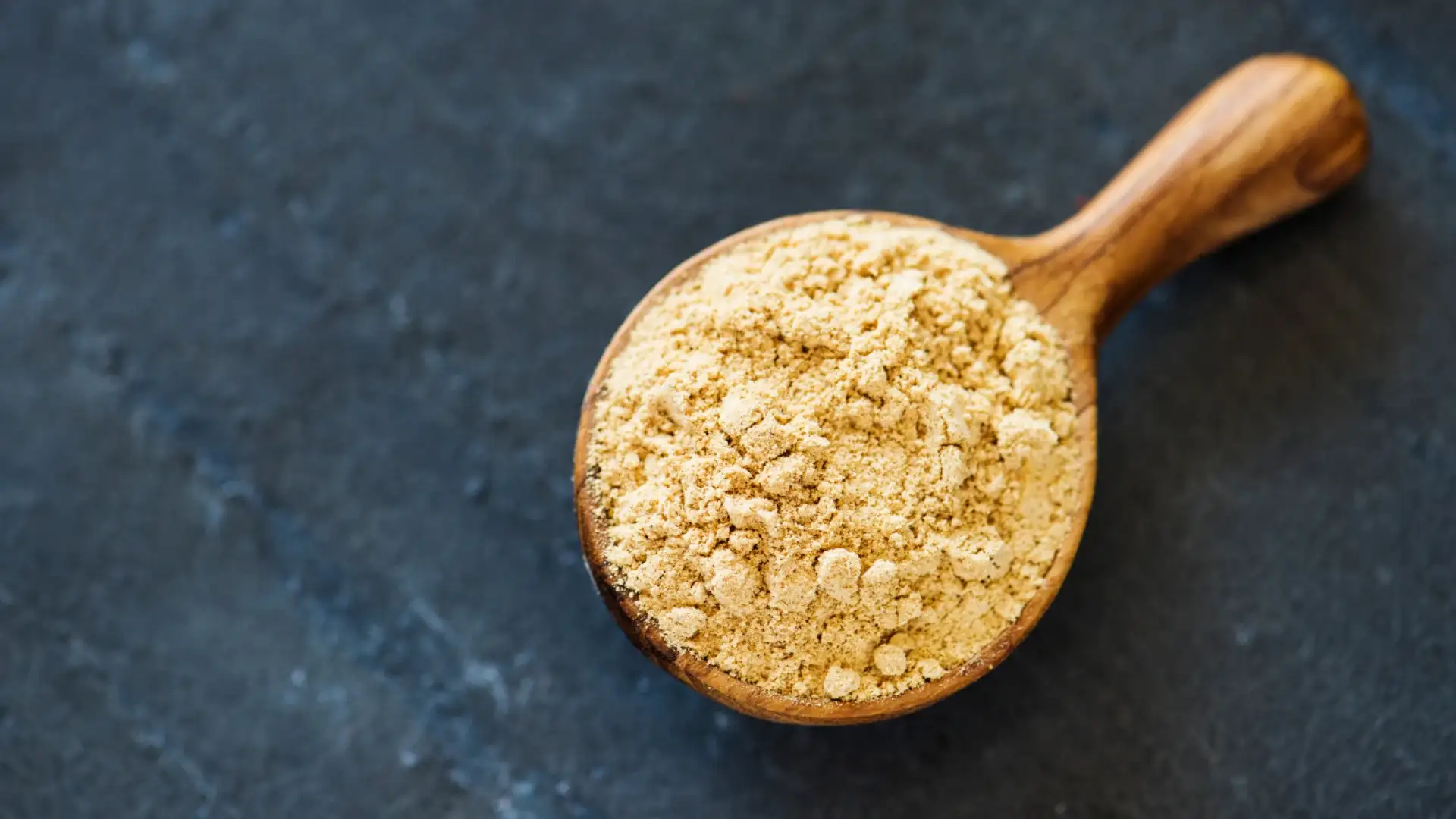
India grows almost none of it. The country is the world's largest consumer of hing, but the raw resin has historically been imported, mostly from Afghanistan, and then processed and blended here. What reaches most Indian kitchens is compounded hing, the pure resin cut with edible starch, wheat flour, or rice flour to dilute its intensity and make it easier to measure. Pure resin hing exists but is far more potent and used in much smaller quantities.
When those sulphur compounds hit hot fat, they break down rapidly. The harsh volatiles cook off, and what remains is a softer, rounded, onion-garlic-like flavour that blends into the base of the dish. This is why hing is almost always added to the tadka first, before the other spices, and why it needs only a few seconds in the oil. More time in the pan and it burns; more quantity and it overwhelms. The pinch is not a suggestion born of frugality, it is the correct dose for the chemistry.
This amplifying quality comes partly from its glutamate content. Ferula resin contains compounds that stimulate the same taste receptors as monosodium glutamate, the umami receptors. It is a natural source of that savoury depth that makes a dish feel satisfying rather than merely seasoned. This is also why hing turns up in dishes that might seem to need no more complexity: a simple jeera aloo, a thin rasam, a dry sabzi with only three ingredients.
The spice also appears in the cooking of communities that avoid onion and garlic entirely. In Jain households and in some communities of Gujarat and Rajasthan, hing does significant flavour work that alliums would otherwise do. Its role there is not a workaround, it is the primary savoury note.
The right moment to add it is immediately after the oil reaches temperature, before any other spice. It needs direct contact with fat to bloom properly; added to water or a wet base, it will not release its flavour the same way. A pinch for four servings. A generous pinch for six. Beyond that, you are no longer seasoning the food, you are competing with it. The spice that smells like too much is, in the right measure, the one the dish cannot do without.
Where Hing Actually Comes From
Hing is not a ground seed or a dried leaf. It is a resin, a dried sap that oozes from the thick roots of Ferula assa-foetida, a tall, fennel-like plant that grows in the dry highlands of Afghanistan, Iran, and parts of Central Asia. The plant takes several years to mature. When it is ready to harvest, farmers make a series of cuts into the crown of the root and collect the milky sap that bleeds out. The sap hardens on contact with air into a reddish-brown gum. That gum, once dried and processed, is hing.India grows almost none of it. The country is the world's largest consumer of hing, but the raw resin has historically been imported, mostly from Afghanistan, and then processed and blended here. What reaches most Indian kitchens is compounded hing, the pure resin cut with edible starch, wheat flour, or rice flour to dilute its intensity and make it easier to measure. Pure resin hing exists but is far more potent and used in much smaller quantities.
Why the Smell Is So Extreme
The raw resin contains a group of sulphur compounds, primarily organosulfides, that are responsible for its sharp, almost offensive smell. These are related to the same family of compounds that give garlic and onions their pungency. In fact, hing has been used for centuries in Jain and some Brahmin cooking as a substitute for onion and garlic, which are avoided for religious reasons. It delivers a similar savoury depth without the alliums.When those sulphur compounds hit hot fat, they break down rapidly. The harsh volatiles cook off, and what remains is a softer, rounded, onion-garlic-like flavour that blends into the base of the dish. This is why hing is almost always added to the tadka first, before the other spices, and why it needs only a few seconds in the oil. More time in the pan and it burns; more quantity and it overwhelms. The pinch is not a suggestion born of frugality, it is the correct dose for the chemistry.
You may also like
- Samantha Ruth Prabhu's pregnancy workouts spark interest: Which exercises are safe for expectant mothers?
- Jensen Huang built the company that powers AI, now Nvidia must find way forward without him
- In 2013, she joined Nvidia as CFO; 13 years later, she takes over as interim CEO: Meet Colette Kress, who's now leading the AI giant as Jensen Huang steps down
- 7 Vintage-Inspired Shoe Styles Taking Over Fashion in 2026
- India records 38% drop in TB deaths since 2015, outpaces global decline: WHO report
What It Does in the Dish
Hing behaves as a flavour amplifier as much as a flavour of its own. In a dal, it does not announce itself the way cumin or mustard seeds do. It works underneath, adding a savoury roundness that makes everything else taste more complete. Cooks who leave it out often describe the dal as tasting flat, even when every other spice is present.This amplifying quality comes partly from its glutamate content. Ferula resin contains compounds that stimulate the same taste receptors as monosodium glutamate, the umami receptors. It is a natural source of that savoury depth that makes a dish feel satisfying rather than merely seasoned. This is also why hing turns up in dishes that might seem to need no more complexity: a simple jeera aloo, a thin rasam, a dry sabzi with only three ingredients.
Its Place in Indian Cooking Through the Centuries
Hing has been in Indian cooking for long enough that its origins feel like they have always been here, even though the plant itself does not grow here. It appears in Ayurvedic texts as a digestive aid, the tradition holds that it helps the gut process legumes and gas-producing vegetables, which is one reason it appears in almost every dal and rajma recipe. Whether or not those claims hold up to clinical scrutiny, the culinary logic is sound: it became the default spice for pulses, and pulses became the backbone of Indian vegetarian cooking, so hing embedded itself into the daily kitchen.The spice also appears in the cooking of communities that avoid onion and garlic entirely. In Jain households and in some communities of Gujarat and Rajasthan, hing does significant flavour work that alliums would otherwise do. Its role there is not a workaround, it is the primary savoury note.
Storing It and Using It Well
Hing is one of the few spices that must be kept in an airtight container, not for freshness, but to protect everything around it. Left open, its smell permeates nearby spices, the shelf, and eventually the kitchen. A small steel or glass jar with a tight lid is the standard solution. Most kitchens keep it double-sealed, in its own container, inside a larger masala dabba.The right moment to add it is immediately after the oil reaches temperature, before any other spice. It needs direct contact with fat to bloom properly; added to water or a wet base, it will not release its flavour the same way. A pinch for four servings. A generous pinch for six. Beyond that, you are no longer seasoning the food, you are competing with it. The spice that smells like too much is, in the right measure, the one the dish cannot do without.






Loving Newspoint? Download the app now
