
Meet the Extraordinary Creatures That Thrive in Boiling Hot Water

Boiling hot springs seem like one of the last places where life could exist. With temperatures often approaching or even exceeding 90°C, these steaming pools appear far too extreme for living organisms. Yet nature has once again proved that life can adapt to astonishing conditions. Hidden within these hostile environments are tiny creatures and microorganisms that not only survive but flourish. Some withstand intense heat, acidic water and toxic chemicals that would destroy most forms of life within seconds. Their extraordinary abilities have transformed our understanding of biology, influenced modern medicine and even changed the way scientists search for life beyond Earth.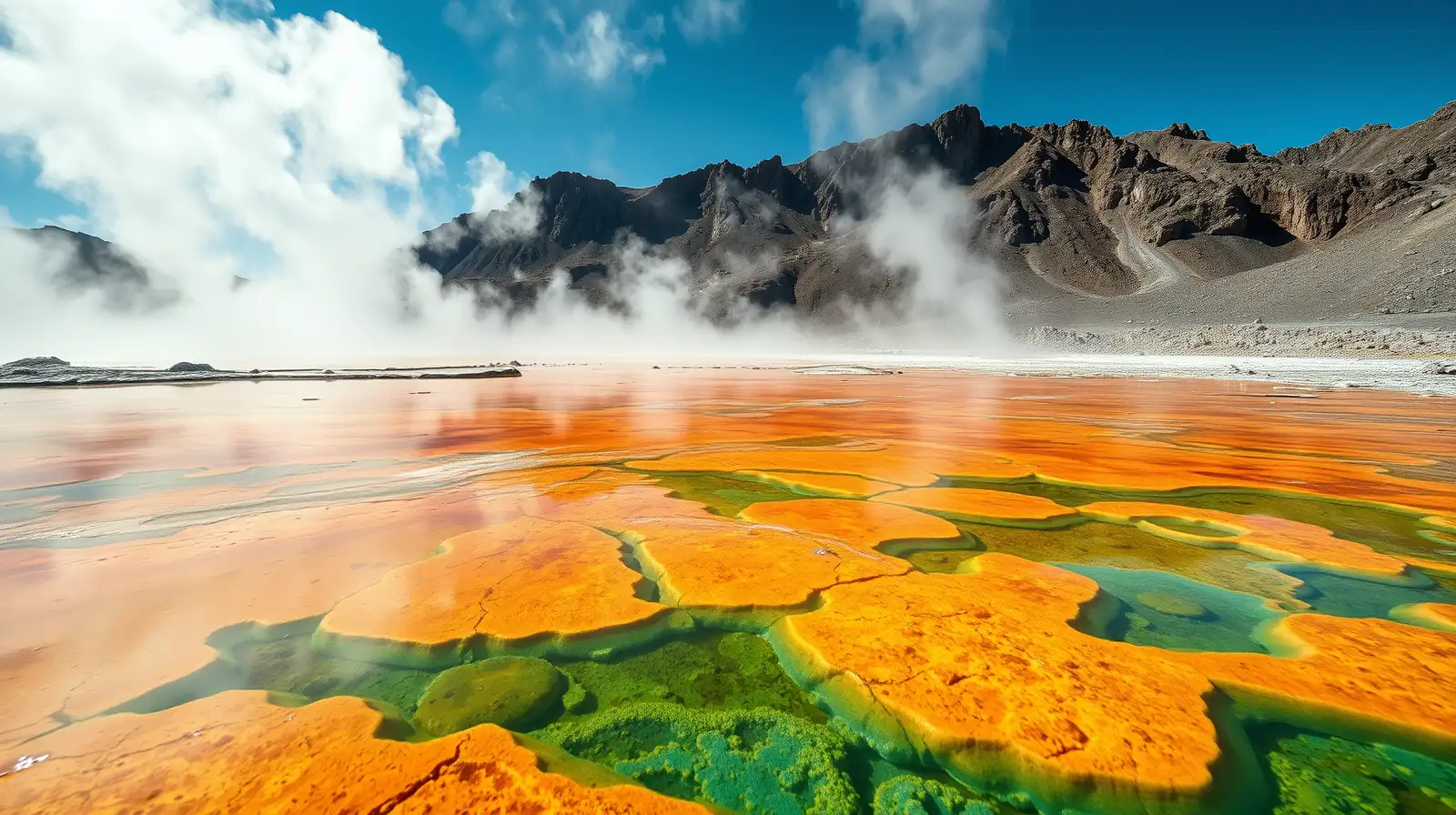
Unlike ordinary organisms, their proteins and cell structures remain stable at temperatures that would normally cause cells to break apart. Special enzymes prevent heat damage, allowing these remarkable life forms to continue growing and reproducing.
Many hot springs in places such as Yellowstone National Park, Iceland and Japan are home to thriving communities of these microscopic survivors.
PCR allows scientists to copy DNA quickly and accurately, making it one of the most important techniques in medical research, forensic science and disease diagnosis. During the COVID-19 pandemic, PCR testing relied heavily on this remarkable enzyme.
Without a bacterium living in boiling water, many modern genetic technologies would not exist.
Certain species of tiny worms, insects and crustaceans inhabit the cooler edges of geothermal springs, where temperatures remain high but are still within their biological limits. These animals rely on specialised proteins that help protect their cells from heat stress.
However, no known animal can survive in water at a true rolling boil. The hottest regions are occupied almost entirely by microscopic life specially evolved for these extreme conditions.
The discoveries have also shaped the search for extraterrestrial life. Moons such as Europa and Enceladus are thought to contain warm hydrothermal environments beneath their icy surfaces, raising the possibility that heat-loving microorganisms could exist beyond Earth.
These tiny organisms continue to expand our understanding of where life can survive.
As scientists develop cleaner technologies and more efficient industrial processes, many continue turning to these remarkable organisms for inspiration. Their unique biology also helps researchers understand how life responds to climate extremes and environmental change.
What once seemed like lifeless boiling pools have become some of the most valuable natural laboratories on Earth.
Creatures That Can Survive in Boiling Hot Springs
Life in Extreme Heat
Organisms that thrive in extremely hot environments are known as thermophiles , while those that prefer temperatures above 80°C are often called hyperthermophiles. Most are microscopic bacteria or archaea rather than large animals.Unlike ordinary organisms, their proteins and cell structures remain stable at temperatures that would normally cause cells to break apart. Special enzymes prevent heat damage, allowing these remarkable life forms to continue growing and reproducing.
Many hot springs in places such as Yellowstone National Park, Iceland and Japan are home to thriving communities of these microscopic survivors.
Tiny Survivors With Extraordinary Abilities
One of the best-known heat-loving organisms is Thermus aquaticus, a bacterium discovered in Yellowstone's hot springs during the 1960s. It transformed modern science because its heat-resistant enzyme, known as Taq polymerase, became essential for the polymerase chain reaction (PCR).PCR allows scientists to copy DNA quickly and accurately, making it one of the most important techniques in medical research, forensic science and disease diagnosis. During the COVID-19 pandemic, PCR testing relied heavily on this remarkable enzyme.
Without a bacterium living in boiling water, many modern genetic technologies would not exist.
Not All Hot Spring Life Is Microscopic
Although microorganisms dominate these environments, some larger creatures have also adapted to unusually warm waters.Certain species of tiny worms, insects and crustaceans inhabit the cooler edges of geothermal springs, where temperatures remain high but are still within their biological limits. These animals rely on specialised proteins that help protect their cells from heat stress.
You may also like
- Make rose water at home for glowing skin, the process is very easy
- EPFO credits PF interest to 34 crore accounts; have you received yours? Here's how to check...
- Gold has become cheaper by ₹2,200 and silver by over ₹4,900; find out from experts if prices will fall further..
- Special Trains: Special trains announced for Shravani Mela; find out the routes..
- “On the exam day, luck was also on my side”: NEET AIR 1 Aryan Gupta reveals the habits, family support and the luck factor behind his success
However, no known animal can survive in water at a true rolling boil. The hottest regions are occupied almost entirely by microscopic life specially evolved for these extreme conditions.
What Hot Springs Reveal About Life
Scientists study these extreme environments because they may resemble conditions on the early Earth billions of years ago. Many researchers believe some of the planet's earliest life forms could have evolved in similar geothermal habitats.The discoveries have also shaped the search for extraterrestrial life. Moons such as Europa and Enceladus are thought to contain warm hydrothermal environments beneath their icy surfaces, raising the possibility that heat-loving microorganisms could exist beyond Earth.
These tiny organisms continue to expand our understanding of where life can survive.
Why This Matters Today
Research into thermophiles has practical applications far beyond biology. Their heat-resistant enzymes are used in medicine, biotechnology, food production and industrial manufacturing.As scientists develop cleaner technologies and more efficient industrial processes, many continue turning to these remarkable organisms for inspiration. Their unique biology also helps researchers understand how life responds to climate extremes and environmental change.
What once seemed like lifeless boiling pools have become some of the most valuable natural laboratories on Earth.






Loving Newspoint? Download the app now
