
Why a Pressure Cooker Cooks Dal Faster: The Physics Behind the Whistle

The pressure cooker is probably the most used vessel in an Indian kitchen, and also the least understood. Most people know it cooks faster. Almost nobody knows why, and the reason is genuinely surprising once you hear it.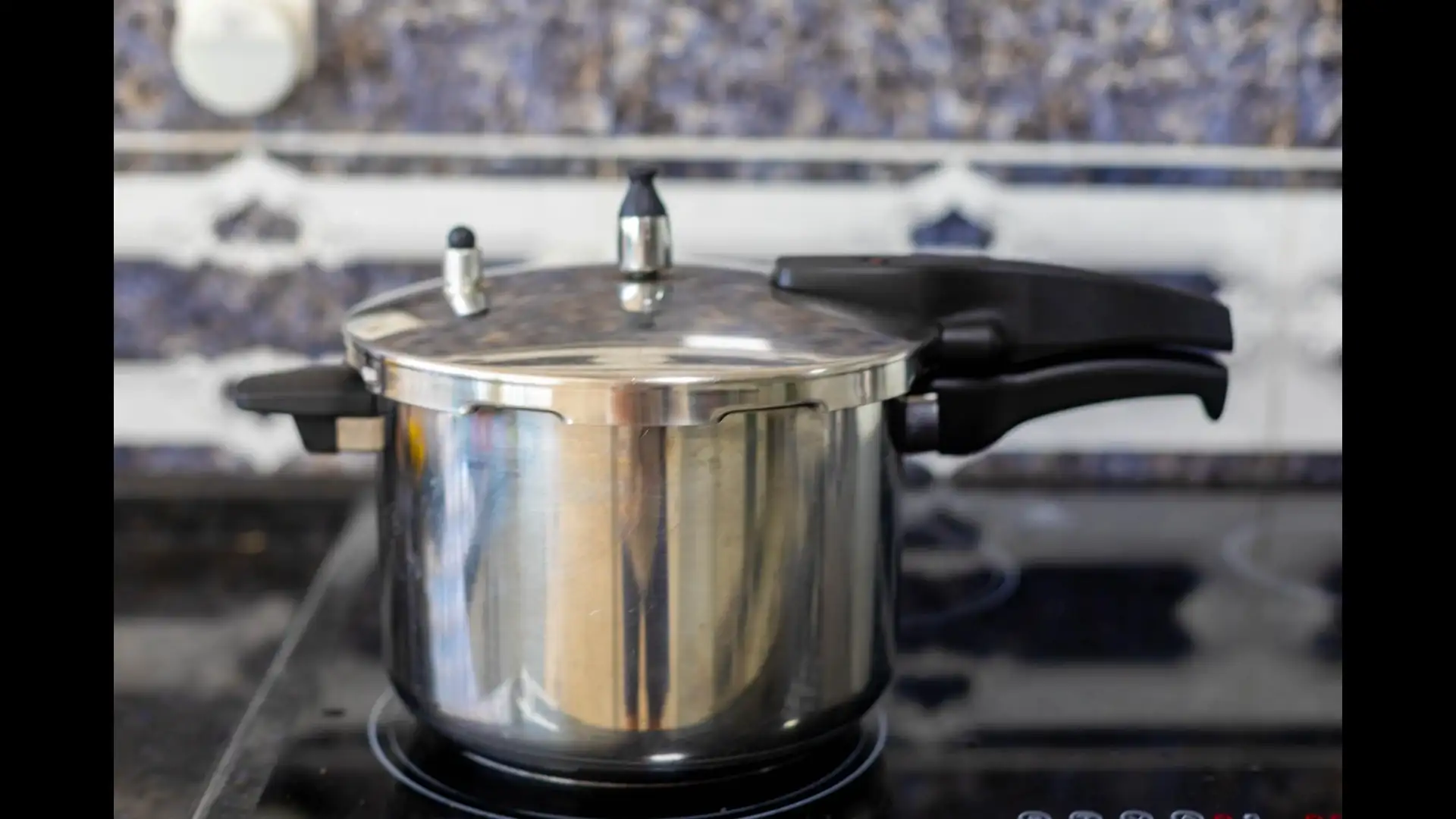
The whistle, the steam, the sealed lid, they are all one system doing one thing: raising the temperature of water beyond what open cooking allows. The lentil does not know it is in a hurry. It is simply meeting more heat, faster, and responding the only way chemistry knows how.
Water Does Not Always Boil at 100°C
This is the part that trips people up. Water boils at 100°C only at sea level, where atmospheric pressure sits at a standard value. Boiling is not about temperature alone, it is about the balance between the pressure pushing down on the liquid and the pressure the liquid is trying to push back up as steam. When the downward pressure increases, water needs to reach a higher temperature before it can boil and escape as vapour. This is the entire trick the pressure cooker plays.What the Sealed Lid Actually Does
When you seal the cooker and heat it, the water inside begins to turn to steam. Normally, that steam would escape into the open air and carry heat away with it. The sealed lid traps the steam instead. As more steam builds up inside a fixed volume, the pressure inside the pot climbs. That rising pressure forces the boiling point of the water upward. Inside a typical Indian pressure cooker, the internal pressure reaches roughly 1.5 to 2 times normal atmospheric pressure, pushing the boiling point up to somewhere between 120°C and 130°C. The water is still liquid, but it is liquid at a temperature that open-pot cooking can never reach.Why Higher Temperature Cooks Dal Faster
Dal is mostly starch and protein held together in the cell walls of the lentil. Breaking those walls down, the thing we call cooking, depends on heat. The hotter the water surrounding each lentil, the faster the chemical bonds in those cell walls break apart. At 100°C, that process takes twenty to thirty minutes for most dals. At 120°C, the same breakdown happens in a fraction of the time, because the energy available to break those bonds increases sharply with temperature. This is not a small difference. The cooker is not just a little faster, it is operating in a fundamentally different thermal range.The Whistle Is a Pressure Relief Valve
The whistle is not a timer. It is a safety mechanism with a secondary use as a cooking signal. Inside the lid sits a weighted valve, the small metal piece that bobs and hisses. When internal pressure climbs past the safe design limit, the steam pushes the valve up, releases a burst of pressure, and the valve drops back. That release is the whistle sound. The cooker is not telling you the food is done. It is telling you that pressure has built to the operating level and is now being held there. Each whistle is a controlled bleed to keep the pressure inside the safe working range rather than letting it climb without limit. The number of whistles that cooks a particular dal is really a measure of how long the food has spent at that elevated pressure and temperature.Why Altitude Changes Everything
Climbers and cooks in high-altitude cities like Leh or Shimla know something that flatland cooks often do not: food takes longer to cook up there. At altitude, atmospheric pressure is lower, which means water boils at a lower temperature, sometimes well below 100°C. Open-pot dal at high altitude is an exercise in patience. A pressure cooker corrects for this almost completely, because it builds its own internal pressure regardless of what the air outside is doing. The sealed environment is self-contained. This is why pressure cookers are not just a convenience in high-altitude kitchens, they are close to essential.The whistle, the steam, the sealed lid, they are all one system doing one thing: raising the temperature of water beyond what open cooking allows. The lentil does not know it is in a hurry. It is simply meeting more heat, faster, and responding the only way chemistry knows how.
Next Story