
Why Dal Is Tempered at the End: What Hot Oil Does to Spices

The tarka goes in last because the cooking it does cannot happen in water. That single fact explains a technique passed down through every regional dal tradition in India, from the Punjabi tadka to the South Indian oggarane to the Bihari chhaunk.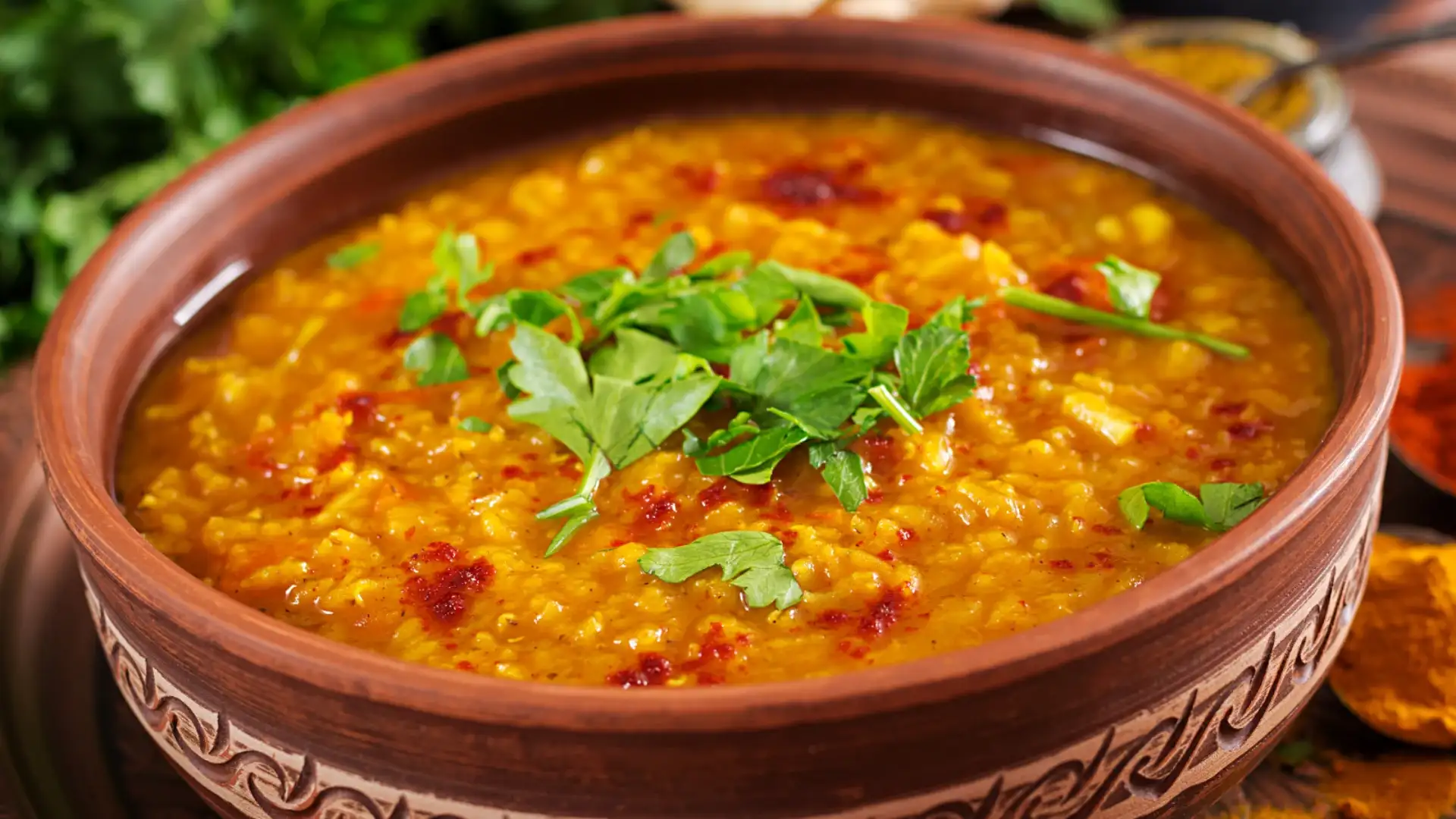
Hot cooking oil, by contrast, reaches 180 to 200 degrees in a small pan within a minute or two. Drop whole spices into oil at that temperature and the reaction is immediate. The dry heat drives off surface moisture instantly and begins breaking down the cell walls of the spice, releasing the essential oils inside. This is why the mustard seed pops rather than just softening. The moisture inside the seed turns to steam faster than it can escape, and the seed bursts open.
Fat distributes flavour. This is why the tarka is stirred in quickly and the pot is often covered for a moment afterward, to trap the aromatic steam and push it back into the dal rather than letting it escape into the kitchen.
Mustard seeds pop when the internal steam pressure exceeds the seed's tensile strength. The moment they pop, their sharp, sulphurous edge mellows and becomes nuttier. Left in the oil a few seconds longer, they turn bitter. The window is narrow, which is why experienced cooks watch the pan and not the clock.
Dried red chilli in hot oil blooms differently from fresh chilli in water. The fat-soluble capsaicin and the red carotenoid pigments both dissolve into the oil, which is why the oil turns red-orange and why the heat of a tarka feels different from the heat of a fresh green chilli in the same dish. It is a slower, warmer burn that spreads through the whole pot.
Asafoetida, added as a pinch, transforms completely. Raw asafoetida smells harsh and sulphurous. Thirty seconds in hot oil converts its primary aroma compound into something closer to onion and garlic. The raw smell disappears. What enters the dal is mellow and savoury.
Getting the order wrong does not ruin the dal, but it changes it. Burnt cumin is acrid. Undercooked mustard seeds are sharp and raw. The sequence is not ritual. It is a response to the different thermal requirements of each spice.
The technique shows up across South Asian cooking precisely because it solves a real problem. Spices have flavour compounds that need high heat and fat to release. The dal needs long, slow, wet cooking that cannot provide either. The tarka is the bridge between the two. Every regional variation, from a simple jeera-hing to a complex Hyderabadi baghar with whole spices and shallots, is working the same principle.
Why Water Cannot Do What Oil Does
Water boils at 100 degrees Celsius and stays there. Most of the flavour compounds locked inside whole spices need temperatures well above that to break open. Cumin seeds, for instance, begin releasing their characteristic aroma compounds only when the surface temperature climbs past 140 degrees. Mustard seeds pop and release their pungent sulphur compounds closer to 150 degrees. A dal simmering on the stove never reaches those temperatures. The spices sit in the liquid, absorb water, and soften, but their volatile oils stay trapped inside.Hot cooking oil, by contrast, reaches 180 to 200 degrees in a small pan within a minute or two. Drop whole spices into oil at that temperature and the reaction is immediate. The dry heat drives off surface moisture instantly and begins breaking down the cell walls of the spice, releasing the essential oils inside. This is why the mustard seed pops rather than just softening. The moisture inside the seed turns to steam faster than it can escape, and the seed bursts open.
What the Oil Carries Into the Dal
Essential oils are fat-soluble, not water-soluble. This is the second reason the tarka works the way it does. When cumin, mustard, dried chilli, or asafoetida hits hot oil, the volatile compounds dissolve into the fat. The fat then carries those compounds through the entire pot of dal when you pour it in. Water cannot do this. A spice boiled in water releases some aroma into the steam, most of which leaves the pot, and the rest sits on the surface of the liquid without dispersing evenly.Fat distributes flavour. This is why the tarka is stirred in quickly and the pot is often covered for a moment afterward, to trap the aromatic steam and push it back into the dal rather than letting it escape into the kitchen.
You may also like
- Stray dog reportedly bites off child's ear: Safety precautions parents should take to protect children from dog attacks while playing outdoors and moving around residential areas
- She struggled to find a job despite a postgraduate degree and faced rejection as a transgender woman; now 36-year-old Riyana Suree helps others find sponsors, education and a place to stay in Tamil Nadu
- 'Held him in my arms when he died': How Justine Wilson, Elon Musk's ex-wife and Canadian author, coped with their son Nevada Alexander's death
- Study Identifies New Clues Behind More Aggressive Colon Cancer in Younger Adults
- Diwali 2026: Why Is the Festival Celebrated on Amavasya? Know the Religious Significance of the New Moon Night
What Happens to Each Spice in the Pan
Cumin seeds darken and smell nutty rather than raw within about thirty seconds in hot oil. The browning is a mild Maillard reaction, the same process that makes bread crust taste different from bread crumb. The compounds responsible for cumin's earthy warmth form only under dry heat.Mustard seeds pop when the internal steam pressure exceeds the seed's tensile strength. The moment they pop, their sharp, sulphurous edge mellows and becomes nuttier. Left in the oil a few seconds longer, they turn bitter. The window is narrow, which is why experienced cooks watch the pan and not the clock.
Dried red chilli in hot oil blooms differently from fresh chilli in water. The fat-soluble capsaicin and the red carotenoid pigments both dissolve into the oil, which is why the oil turns red-orange and why the heat of a tarka feels different from the heat of a fresh green chilli in the same dish. It is a slower, warmer burn that spreads through the whole pot.
Asafoetida, added as a pinch, transforms completely. Raw asafoetida smells harsh and sulphurous. Thirty seconds in hot oil converts its primary aroma compound into something closer to onion and garlic. The raw smell disappears. What enters the dal is mellow and savoury.
Why the Order Inside the Tarka Matters
Mustard seeds go in before cumin because they take longer to pop. Cumin goes in after, and dried chilli after that, because chilli burns fastest. Asafoetida goes in last, for just a few seconds, because it needs heat to transform but almost no time to do so. Curry leaves, when used, go in with the chilli and spatter loudly because of their high water content hitting the hot oil.Getting the order wrong does not ruin the dal, but it changes it. Burnt cumin is acrid. Undercooked mustard seeds are sharp and raw. The sequence is not ritual. It is a response to the different thermal requirements of each spice.
The Tarka as a Flavour System, Not a Finishing Touch
Calling the tarka a garnish misses what it does. It is the primary flavour delivery mechanism of the dish. The dal provides body, protein, and a mild earthiness. The tarka provides almost everything else: the top notes, the warmth, the fat that coats the tongue and makes the flavour linger. A dal without a tarka is nutritious. A dal with one is a complete dish.The technique shows up across South Asian cooking precisely because it solves a real problem. Spices have flavour compounds that need high heat and fat to release. The dal needs long, slow, wet cooking that cannot provide either. The tarka is the bridge between the two. Every regional variation, from a simple jeera-hing to a complex Hyderabadi baghar with whole spices and shallots, is working the same principle.






Loving Newspoint? Download the app now
